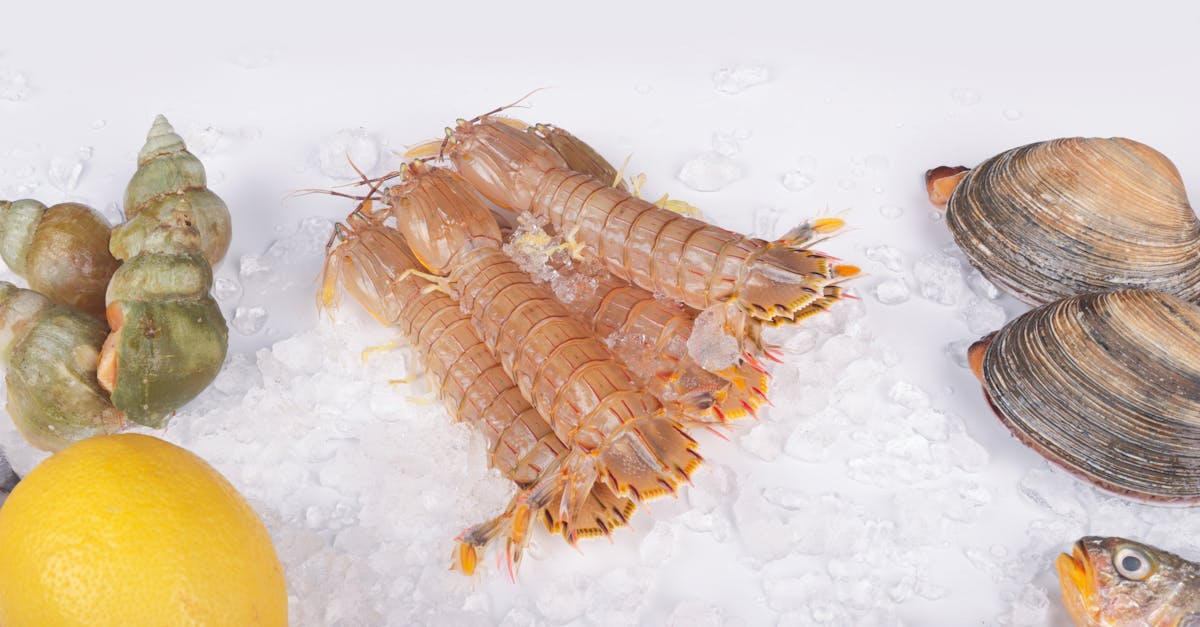
Brine-scented air and a copper pan sizzling with clams signal more than a feast; they herald tangible health gains. On the plate, shellfish present an intersection of delicate textures, concentrated umami, and a nutritional profile that reads like a sommelier’s tasting note for wellbeing. The littoral harvest—oysters, mussels, clams, scallops, prawns, and crab—offers a compact package of high-quality protein, bioavailable minerals, and marine-derived lipids known to support cardiovascular and cognitive resilience. In coastal kitchens from Maine to the Mediterranean, chefs favor these creatures not only for flavor but for their capacity to deliver essential nutrients with low caloric cost and refined culinary versatility.
The following dossier maps the health benefits of including shellfish in an elevated diet. It considers biochemical profiles, clinical implications for heart health and the immune system, strategies for weight management, and practical guidance for safe, sustainable sourcing and preparation. Each section includes pro-tips and sensory cues to help culinary professionals and discerning home cooks translate nutrition into ritual: which pan to sear scallops in, how to brine oysters for texture, and which artisanal finishing salts best accentuate marine terroir.
- Shellfish are a dense source of lean protein and micronutrients with minimal saturated fat.
- Regular consumption supports heart health via omega-3 fatty acids and favorable lipid modulation.
- Vitamins (B12, A, D) and minerals (zinc, selenium, iodine) bolster the immune system and metabolic processes.
- Shellfish can aid weight management through satiety, thermic effect, and nutrient density.
- Chef-level techniques and sustainable sourcing optimize both flavor and environmental stewardship.
Nutrition Profile of Shellfish: Protein, Omega-3s, Vitamins and Minerals for Optimal Health
The editorial desk at La Fisheria emphasizes the biochemical economy of shellfish: small servings deliver disproportionate nutritional value. A 3-ounce portion typically yields 15–20 grams of high-biologic-value protein, a profile comparable to white-meat poultry but with a firmer, silkier mouthfeel that chefs prize. This concentrated protein supports muscle synthesis, repair, and satiety without excess caloric burden.
Omega-3 fatty acids, particularly EPA and DHA, appear in appreciable amounts in many bivalves and crustaceans. These long-chain polyunsaturated fats integrate into cell membranes, modulate inflammatory signaling, and contribute to endothelial function—factors directly tied to heart health. Gastronomic contexts—such as finishing a dish with a cold-pressed marine oil emulsion—can preserve these labile lipids and highlight their glossy texture.
Micronutrient concentration is a defining attribute. Bivalves are rich in vitamin B12, critical for erythropoiesis and neurological integrity; a single oyster or two mussels can provide more than the daily recommended intake. Selenium and zinc in shellfish support antioxidant defenses and immune cell function, while iodine underpins thyroid hormone synthesis and metabolic rate. Scallops and clams also supply vitamin A precursors and modest vitamin D levels when harvested from sunlit littoral zones.
From a culinary-science perspective, nutrient bioavailability in shellfish is high. The soft connective matrix and low fiber content facilitate digestive enzyme access, improving absorption of trace elements compared with some plant sources. Texture cues—such as the slight resistance of a medium-seared scallop or the yielding pop of a steamed mussel—indicate optimal coagulation of proteins and retention of water-soluble vitamins.
Practical Dietary Integration
Incorporate shellfish two to three times weekly to capitalize on both protein and omega-3 fatty acids. For those monitoring sodium, prefer steamed or grilled preparations over heavily brined or breaded presentations. Pairing shellfish with vitamin-C–rich accompaniments (citrus gremolata, pickled fennel) enhances iron uptake from mixed seafood dishes.
Case study: a coastal bistro called Harbor & Hearth rotated a tasting course of razor clams, lightly flamed with alder wood and finished with artisanal smoked salt, delivering a nutrient-dense course that satisfied diners while keeping caloric density low. Such plates demonstrate how technique and terroir amplify both taste and nutrition.
Concluding insight: the compact nutrition of shellfish is a chef’s ally for building meals that are both indulgent and functionally nourishing.
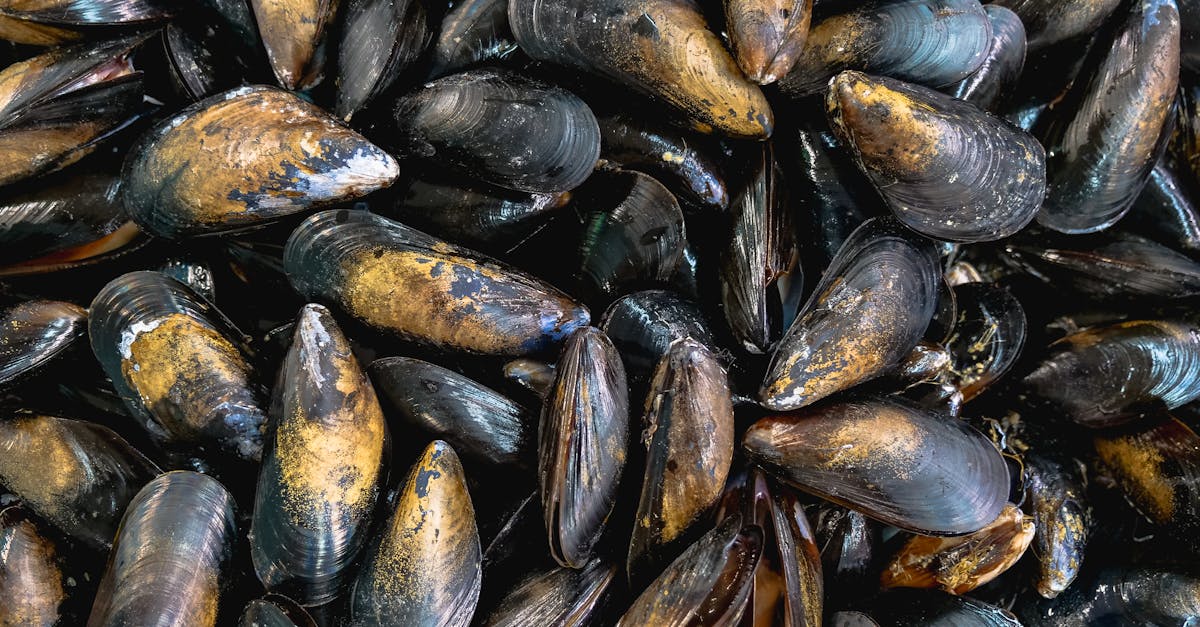
Shellfish and Heart Health: How Omega-3s and Minerals Reduce Cardiovascular Risk
Cardiovascular epidemiology repeatedly points to marine-derived lipids as protective agents, and shellfish serve as a refined source. The editorial team highlights trials linking regular intake of EPA and DHA with improved triglyceride profiles, reduced platelet aggregation, and modest systolic blood pressure reductions. These physiological shifts converge to lower cardiovascular event risk.
Mechanistically, EPA and DHA alter eicosanoid synthesis toward less pro-thrombotic mediators, improve endothelial nitric oxide availability, and reduce vascular inflammation. For clinicians recommending dietary strategies, substituting red meat with shellfish two to three times weekly is a pragmatic intervention that decreases saturated fat intake while preserving culinary satisfaction.
Minerals such as selenium and magnesium—present in shellfish—further support vascular resilience. Selenium acts as a cofactor for glutathione peroxidase, attenuating oxidative damage to LDL particles. Magnesium stabilizes cardiac rhythm and influences vascular tone. These micronutrients synergize with omega-3s to protect the myocardium and vasculature.
Translating Evidence into the Plate
From a gastronomic standpoint, methods that preserve lipid integrity are essential. Gentle poaching, quick searing, or raw presentations (where safe) maintain EPA/DHA content. High-heat, prolonged frying can degrade polyunsaturated fats and introduce oxidized lipids that counteract benefits.
Pro-tip: finish grilled lobster or prawns with a compound butter infused with cold-pressed marine oil rather than deep-frying to retain omega-3s and enhance mouthfeel. Selecting shellfish from cooler littoral microclimates often yields specimens with higher lipid stores and superior flavor complexity.
Evidence-based menu planning uses portion control and frequency to harness heart-healthy effects. A weekly rotation featuring mussels in tomato-herb broth, steamed clams with garlic and parsley, and a scallop carpaccio offers variety while delivering cardiovascular benefits.
Concluding insight: culinary technique and intelligent substitution maximize the heart health advantages inherent to shellfish.
Vitamins, Minerals and the Immune System: Shellfish as Nutrient-Dense Allies
The immune-modulating capacity of shellfish stems from a constellation of micronutrients—each with a distinct biochemical role. Vitamin B12 supports cellular proliferation, particularly in hematopoietic tissues. Zinc is central to thymic function and lymphocyte activity. Selenium ensures the function of antioxidant enzymes that limit inflammatory damage. Together, these nutrients construct a resilient immune response without inflammatory excess.
Clinical nutrition studies correlate diets rich in these micronutrients with reduced infection severity and improved recovery times. In practice, seasonal menus that prioritize bivalves during colder months—when viral respiratory threats rise—help maintain nutrient stores that underpin immune surveillance.
A culinary vignette: Captain Elena Marlowe, a fictional shellfish harvester from the Pacific coast, supplies a farm-to-table restaurant where daily mussel broths are enhanced with bone broth reductions and minced garlic. Patrons report improved wellbeing during winter months, anecdotally aligning with the micronutrient content of the broths.
Cooking to Preserve Micronutrients
Short steaming or quick sauté preserves water-soluble vitamins and minimizes leaching. Avoid excessive salting during cooking to prevent displacement of iodine and potassium. Acidic elements like vinegar or citrus can aid the release of certain minerals, enhancing bioavailability while adding bright flavor.
Pro-tip: incorporate fermented sides—such as a lightly brined fennel relish—to complement shellfish dishes by contributing probiotic complexity and additional micronutrients. For those seeking culinary guidance, consult resources that focus on clean handling and preparation, such as the magazine’s piece on clean squid prep, which applies similar principles of gentle handling to preserve nutrient integrity.
Concluding insight: thoughtful technique amplifies the immune-supportive nutrients intrinsic to shellfish, turning each plate into a targeted nutritional intervention.
Shellfish for Weight Management and Metabolic Health: Satiety, Thermogenesis, and Practical Diet Strategies
When managing body composition, nutrient density and satiety are paramount. Shellfish excel in both arenas. High-quality protein increases postprandial thermogenesis and satiety hormones such as GLP-1 and PYY, leading to reduced caloric intake at subsequent meals. The low energy density of most shellfish allows for generous portions that satisfy both palate and physiology.
Metabolic benefits extend beyond satiety. Minerals like iodine influence thyroid function, modulating basal metabolic rate. Omega-3 fatty acids improve cellular insulin signaling in muscle and adipose tissue, facilitating glucose uptake and mitigating insulin resistance in metabolic syndrome contexts. Regular inclusion of shellfish as a protein source is a practical adjunct to lifestyle interventions for weight control.
From the chef’s angle, constructing plates that emphasize texture and volume enhances perceived fullness. A composed plate with seared scallops, a mosaic of charred vegetables, and a light citrus vinaigrette offers a balance of flavors and macronutrients that satisfy without excess. Harbor & Hearth’s signature course—grilled littleneck clams over a warm farro salad—demonstrates how shellfish can anchor a meal in satiety while remaining elegant.
Actionable Menu and Home-Cooking Tips
- Portion strategy: 3–4 ounces of shellfish as the primary protein per meal for sustained satiety.
- Cooking approach: quick sear, steam, or poach to retain moisture and nutrient content.
- Pairings: add fiber-rich vegetables and healthy fats (olive oil, avocado) to slow gastric emptying.
- Frequency: include shellfish 2–3 times weekly within a calorie-controlled plan.
Behavioral tactics complement culinary choices. Encourage mindful eating: savor the briny aroma, note the firm yet yielding texture, pause between bites. These sensory anchors slow intake and amplify satisfaction, aiding portion control.
Concluding insight: shellfish provide a refined culinary route to sustainable weight management through protein-driven satiety and favorable metabolic effects.
Sourcing, Safety, and Sustainable Culinary Practices: From Littoral Harvest to Plate
Responsible inclusion of shellfish requires attention to sourcing and safe preparation. The editorial desk endorses suppliers practicing artisanal, traceable harvest methods. Bivalve aquaculture often has a lower environmental footprint than finfish or terrestrial proteins, improving coastal water quality through natural filtration. Identifying farms with transparency regarding seed stock, feed inputs, and harvest seasons aligns health goals with ecological stewardship.
Food-safety protocols are non-negotiable. Proper refrigeration, prompt shucking, and avoidance of cross-contamination are essential to prevent Vibrio or norovirus risks. Simple culinary workflows—maintaining separate boards, rapid chilling, and acidified dressings—minimize hazards without compromising flavor. For professional kitchens, periodic staff training on handling and a close relationship with trusted purveyors forms the backbone of safe practice.
Pro-tip: when sourcing, prefer specimens from cooler littoral zones harvested during periods of lower algal bloom risk. For travel-minded epicureans, the magazine’s travel features, such as the Pacific coasts guide Pacific Northwest wild coasts, offer vetted contacts and seasonal calendars for reliable harvest windows. Pair culinary curiosity with stewarding choices to ensure future generations can access pristine shellfish.
Chef-level techniques also intersect with safety and sustainability. Use residual cooking liquids as broths to concentrate flavor, but reduce at moderate heat to preserve delicate nutrients. Choose sun-bleached oak for plank grilling when a smoky accent is desired, avoiding chemically treated woods that can impart undesirable compounds.
Concluding insight: marrying safe, sustainable sourcing with refined technique secures the long-term health and culinary benefits of shellfish for diners and ecosystems alike.
Stay Salty.

