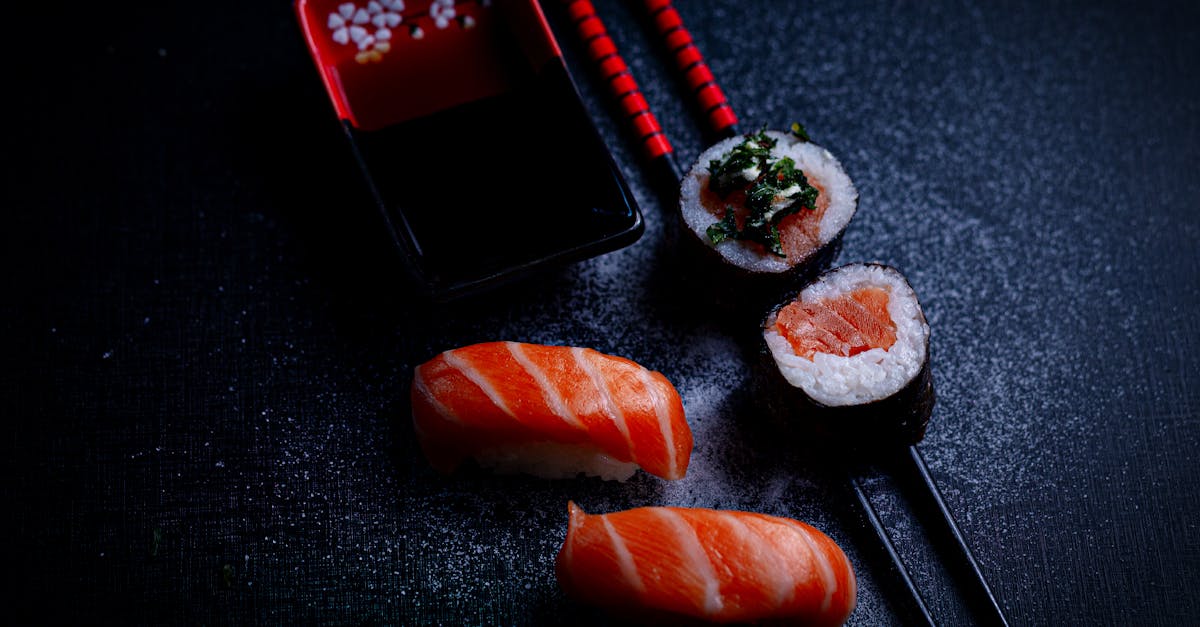
Salt, rice, and silence: a single bite can reveal an entire coastline.
In the crystalline language of Japanese cuisine, sushi functions as both ledger and liturgy — an archive of preservation techniques, a manifesto of seasonality, and a ritualized exchange between sea and table. This feature traces sushi from its fermenting origins through Edo-era reinvention to contemporary omakase counters, while mapping how technique, terroir, and etiquette encode social values. Expect detailed notes on rice in sushi, halophilic salt choices, the craft of the itamae, and the modern tensions between globalization and sustainability. The narrative follows a hypothetical master—Master Sato—whose daily practice at a modest Tokyo counter illustrates the human relationships that sustain these traditions. Readers will leave with concrete pro-tips for tasting, respectful behaviors for dining in Japan, and a renewed sense of sushi as a living cultural form.
- Origins and evolution: From narezushi fermentation to Edo nigiri innovation.
- Technical essentials: The science of shari, the role of vinegar, and artisanal salts.
- Social code: Counter etiquette, omakase protocols, and communal dining.
- Regional voices: Osaka pressed styles, Hokkaido sashimi abundance, and littoral traditions.
- Modern balance: Global adaptations, sustainability imperatives, and preserving craft.
Sushi history and the evolution of traditional sushi in Japanese culture
From fermented stores to the luminous simplicity of nigiri, sushi history tracks a wider cultural refinement.
The story begins with narezushi, a preservation technique that migrated from Southeast Asia to Japan by the 8th century. Fish were layered with rice and allowed to ferment; the rice served as a microbial medium and was discarded before consumption. This halophilic interplay between salt, rice, and time demonstrates an early Japanese mastery of preserving marine protein in littoral environments.
By the Muromachi and Edo eras, culinary economics and urbanization prompted transformation. The advent of rice vinegar and the technique of haya-zushi shortened fermentation cycles, enabling rice to be consumed alongside fish. The emergence of nigirizushi in Edo, popularized by historical figures such as Hanaya Yohei in the early 19th century, reframed sushi as immediate rather than methodically aged. The tactile act of pressing fish to vinegared rice introduced a new sensory architecture — an interplay of texture, temperature, and umami that reads like a coastal map on the palate.
Technological advances reshaped distribution and taste. Icehouses, refrigerated transport, and modern fisheries permitted a wider range of species to appear on counters year-round. Yet, the cultural logic of sushi remained bound to seasonality; chefs still celebrate shun (seasonal peak) with focused menus. In contemporary practice, sushi history is not static scholarship but a lived sequence: apprentices learn knife geometry, rice calibration, and the subtle manipulations of salt and acid that define a regional identity.
Master Sato, the fictional itamae woven through this article, learns early that historical knowledge is practical knowledge. When sourcing fish, Sato consults local fishermen who follow age-old lines and modern quotas, balancing heritage with conservation realities. That negotiation — between past technique and present ecology — defines the contemporary cultural significance of sushi: it is both a culinary craft and a social contract with the sea.
Understanding sushi history deepens appreciation for its present: each nigiri encapsulates preservation technologies, urban shifts, and evolving tastes. This insight anchors the reader before moving into the technical core of sushi preparation.
Key insight: Sushi’s historical arc from fermented food to fresh-artifact reveals why technique and provenance matter as much as flavor.
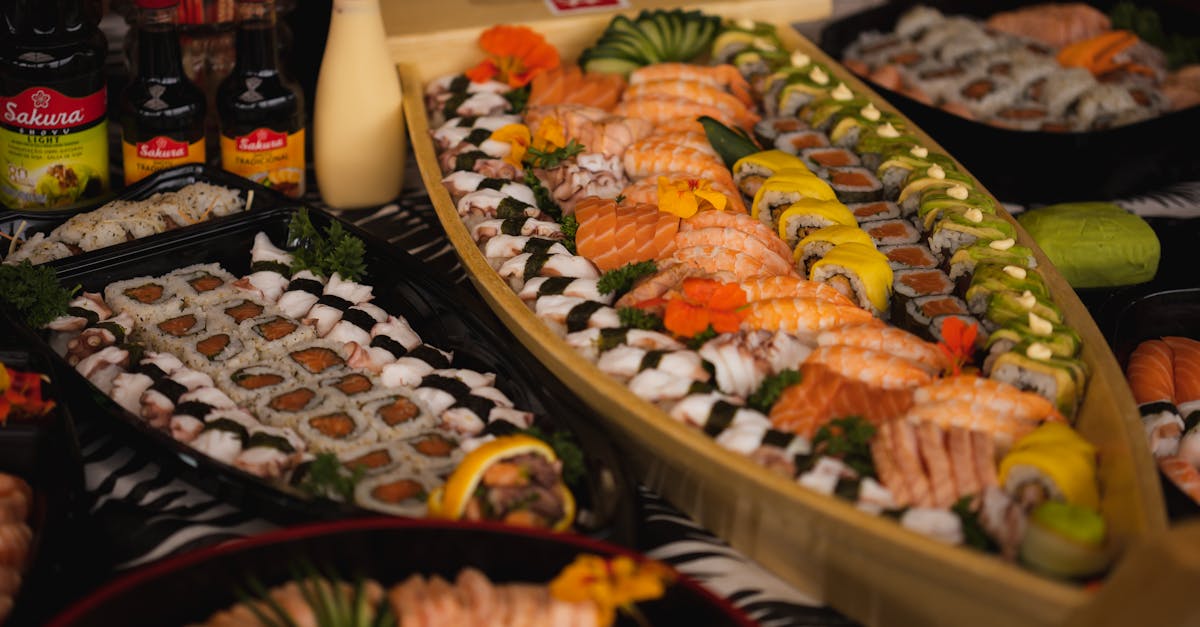
Sushi preparation and the science of rice in sushi: technical mastery
Precision in sushi preparation begins with shari — rice that has been transformed into a supportive, saline-acid canvas.
Shari requires rigorous attention to rice variety, water ratio, and vinegar blend. Premium sushi rice is a short-grain Japonica cultivar prized for its stickiness and translucence. Chefs adjust cooking curves to achieve distinct chew and gloss. The vinegar dressing — historically a simple rice vinegar with sugar and salt — now incorporates artisanal salts and sometimes kelp infusions to layer umami without masking the fish.
Salt selection matters. Traditional Japanese sea salts such as moshio or sun-evaporated littoral salts impart mineral notes that differ from continental flakes like Maldon. These halophilic minerals influence mouthfeel and the perception of sweetness in shari. Master Sato, when constructing a signature nigiri, calibrates salt type against fish fat content; a toro slice may call for a subtler vinegar and a mineral-rich salt to cut richness, whereas leaner white fish benefits from a brighter vinegar profile.
Knife technique is another axis of mastery. The single-stroke sashimi cut preserves muscle structure and translucence. Blade metallurgy — typically high-carbon blue steel for traditional itamae knives — determines edge retention and glide. Apprentices spend months sharpening and learning hand positions that minimize cellular trauma, preserving texture and minimizing bleeding.
Thermal control is often overlooked. Fish served too cold numbs taste receptors; slightly warmed nigiri reveals aromatic volatiles. Chefs use cupped hands to warm shari and transiently temper fish. For aburi-style pieces, binchotan charcoal confers a dry, high-heat sear that aromatically enhances oils without introducing smoke residues associated with resinous woods.
Pro-tips for serious tasters:
- Assess shari texture: It should hold shape but yield softly under the tongue.
- Observe knife cuts: Thin diagonal slices signal an itamae skilled in preserving texture.
- Smell before tasting: A clean brine scent indicates freshness; strong ammonia indicates spoilage.
Rice in sushi functions as more than filler; it is an active ingredient that balances fat, acidity, and salt. Mastery of shari is therefore tantamount to mastery of the dish. These technical details translate into flavor clarity and cultural fidelity.
Key insight: The technical rigour of sushi preparation — from salt choice to thermal nuance — shapes the dish’s ethical and sensory profile.
Sushi etiquette and social rituals: decoding proper behavior at the sushi counter
Dining at a sushi counter is a social choreography where etiquette signals respect for the chef, ingredients, and fellow diners.
The sushi counter is a space of exchange. The itamae reads the diner and designs a sequence; the diner responds with attention and restraint. Omakase embodies this dynamic: when a guest consents to “I’ll leave it to you,” the chef curates via provenance, seasonality, and counter rhythm. Omakase is thus a trust ritual as much as a tasting menu.
Practical etiquette reduces friction and enhances flavor perception. Use the tip of chopsticks or hands — both are acceptable for nigiri — and dip the fish side, not the rice, into soy sauce to prevent shari from disintegrating. Place wasabi sparingly; many itamae already season nigiri with tailored wasabi. Use gari (pickled ginger) strictly as a palate cleanser between distinct fish types.
Concrete list of etiquette essentials:
- Do not rub chopsticks: It implies cheap disposable utensils.
- Avoid overpowering scents: Perfumes or strong colognes interfere with the tasting sequence.
- Eat pieces in one bite: This preserves the intended balance of rice and fish.
- Respect counter conversation: Brief, appreciative comments are welcome; prolonged debate can disrupt service.
- Tip modestly in Japan: Tipping is uncommon; express thanks verbally or with a respectful bow.
For travelers accustomed to coastal luxury experiences, etiquette resembles other high-end contexts. Practical guides for coastal travel and refined stays, such as itineraries found in lifestyle roundups, can prepare visitors for cultural expectations. Localized culinary scenes often intersect; those exploring seafood destinations across the United States may find continuity between refined sushi counters and curated seafood restaurants abroad, as detailed in resources like California seafood restaurants.
Master Sato instructs apprentices to listen more than speak during service. Silence is not rudeness; it is part of a sensory regimen that foregrounds smell, texture, and the chef’s sequence. Observing these rituals transforms a meal into an act of cultural participation.
Key insight: Etiquette is a sensory amplifier; proper behavior reveals subtleties that casual dining can obscure.
Regional variations and the cultural significance of Japanese sushi across Japan
Sushi is a palimpsest of regional ecologies: each coastline writes its own lexicon of species, cut, and service.
Regional identity shapes both ingredient choice and technique. In Hokkaido, cool currents yield uni and ikura of intense brine and texture; northern counters celebrate these items raw and generous. Osaka’s oshizushi — pressed blocks shaped in wooden molds — reflects merchant culture and a preference for preserved or vinegared fish that travels well. Kyushu’s use of sweet soy reductions and pickling speaks to local sugar cultivation and preservation needs.
These variations underscore sushi’s cultural significance: it is not a monolith but a network of micro-traditions connected by shared principles. Seasonality governs menus; particular fish are sought during narrow windows when fat, flavor, and texture align. Fisheries knowledge is passed from captain to chef, creating direct lines of trust. In 2026, sustainability frameworks, marine protected areas, and quota systems influence what appears on counters; responsible chefs shift menus to reflect stock health and regenerative practices.
Global adaptation has produced new sushi idioms without erasing their roots. The California roll, born of ingredient substitution and Western palates, demonstrates how technique migrates while local taste reinterprets form. These adaptations generate dialogue about authenticity and respect. The cultural significance of sushi, in this sense, lies in its capacity to adapt while maintaining procedural core values: minimal processing, reverence for seasonality, and an emphasis on provenance.
Resources for contemporary gastronomes often connect travel and dining. Readers planning coastal culinary itineraries may draw practical inspiration from lifestyle guides like Hamptons luxury weekend, which situates seafood appreciation within a broader coastal-luxury context. Such cross-references highlight how sushi traditions inform and are informed by global coastal gastronomy.
Master Sato sources certain cuts only during peak windows, and substitutes locally abundant species when stocks are protected. This practice is a micro-example of adaptive stewardship: chefs act as cultural intermediaries, translating ecological constraints into culinary opportunity.
Key insight: Regional diversity within Japanese sushi reveals an ethic of place; honoring that ethic sustains both culture and marine ecosystems.
Modern globalization, innovation, and preserving the heritage of Japanese sushi
The contemporary sushi scene negotiates innovation with a responsibility to heritage and the ocean.
Globalization introduced new ingredients, diners, and business models. Chefs outside Japan built on foundational techniques to create hybrid forms while some Japanese itamae embraced select innovations — such as precision refrigeration and seafood traceability systems — to improve quality and sustainability. Technology has also enabled better supply-chain transparency, allowing chefs to document catch location, date, and gear, which reassures consumers and supports ethical sourcing.
Preserving craft requires institutional and individual commitments. Apprenticeship models persist, but new educational formats — short residencies and international exchanges — diversify the pipeline. Many chefs now combine decades-old knife discipline with modern conservation literacy. Master Sato’s protégé participates in a cooperative that funds selective fisheries rehabilitation, demonstrating how culinary practitioners can be active stewards.
Contemporary diners can act deliberately:
- Ask about provenance: Inquire where fish was caught and by what method.
- Prioritize seasonality: Request menus that reflect local seasons rather than rare imports.
- Support responsible restaurants: Choose establishments that articulate sourcing policies and engage with local fisheries.
International appetite for sushi drives demand pressures that must be managed. Chefs and consumers together can reshape markets by favoring lesser-known, abundant species and by respecting seasonal closures. Culinary diplomacy — chef exchanges, documented sourcing, and public education — helps retain sushi’s cultural integrity while ensuring ecological resilience.
As sushi continues to travel across borders, its core remains: an artisanal practice that binds technique to provenance. The modern challenge is to scale appreciation without diluting the values embedded in traditional sushi preparation and etiquette.
Final thought: Let each meal become a deliberate act: taste with attention, ask about origin, and choose sustainability — a small set of decisions that preserve a cuisine and the coastlines it celebrates. Stay Salty.

