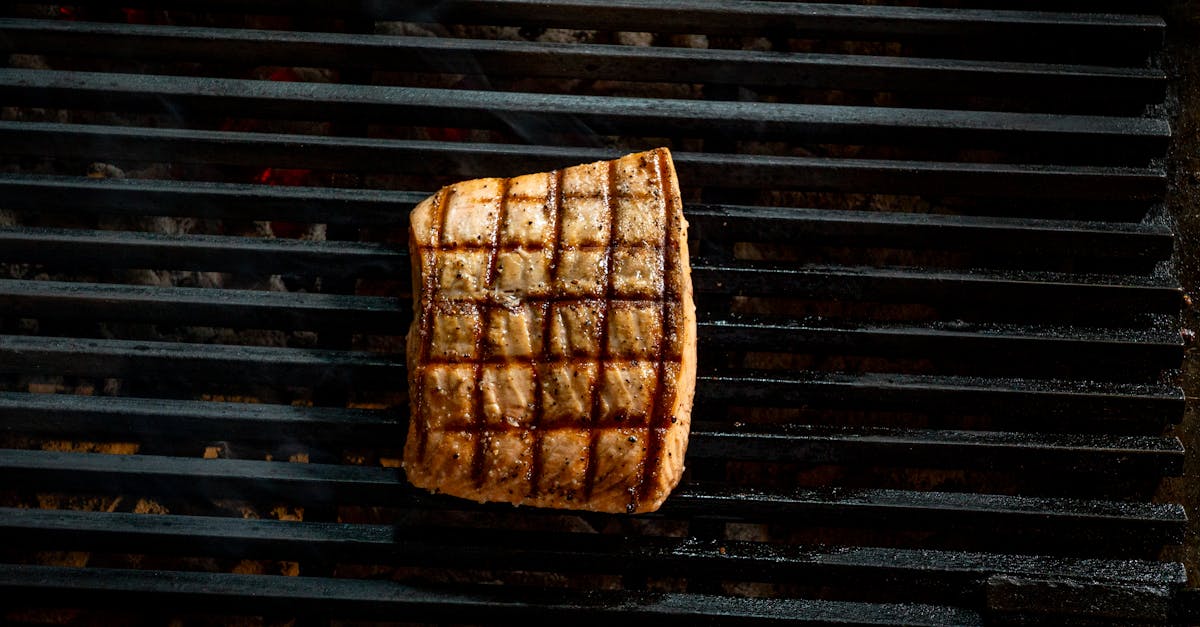
Smoky fillets transformed into pantry-ready masterpieces: leftover grilled salmon becomes an intentional ingredient rather than an afterthought.
The editorial desk at La Fisheria presents a dense, sensory exploration of creative salmon dishes designed for the modern coastal kitchen. This chapô distills the craft of repurposing grilled salmon meals into refined breakfasts, portable lunches and elegant dinners, all while honoring seasonal sourcing and sustainable practices. Expect specific techniques—how to preserve flaky texture, which halophilic finishing salts to reach for, and the best woods for initial grilling so that the residual smoke layers marry with subsequent sauces. The piece highlights thermal tactics for reheating without drying, explains smart salmon meal prep strategies for weeklong feeding, and maps wine matches that respect the fish’s terroir. Culinary anecdotes are threaded through a fictional harbour bistro, the boathouse kitchen « Harbor & Hearth, » where a head chef tests each transformation on a rotating littoral menu. Readers will find stepwise recipes for bowls, pastas, tacos and bakes; sensory notes on texture, aroma and color; and chef-level pro-tips on salt choice, emulsions and finishing acids. This is not a listicle: it is a compact masterclass in turning salmon leftovers ideas into signature plates that read as intentional rather than rushed.
- Key techniques: flaking cold salmon, low-temp reheating, acid balance.
- Top formats: salads, bowls, pasta, cakes, and sushi rolls.
- Smart storage: airtight containers, coldest fridge shelf, use within 3–4 days.
- Pantry pairings: capers, preserved lemons, caponata-style vegetables.
- Sustainability note: favor heritage-net or MSC-certified fish for lasting flavor and ethical sourcing.
Salmon Salad Recipes and Sandwich Ideas: Elevating Lunch with Texture and Halophilic Nuance
Cold, flaked salmon becomes a textural asset in salads and sandwiches when assembled with intention. The editorial approach treats the fish as a primary seasoning: its smoky top notes should be balanced with an acidic counterpoint and a crunchy element.
Start with a base of sturdy leaves—cos, romaine or baby gem—so dressing won’t wilt them instantly. For a composed salmon salad recipe, fold grilled salmon into a dressing of good mayonnaise or Greek yogurt, lemon zest, a touch of Dijon and chopped capers. Red onion adds bite; fresh dill or chervil introduces a grassy lift. Textural contrast is crucial: add toasted farro, shards of rustic crouton or quick-pickled cucumber for crunch.
Salmon Sandwich Recipes: from Lox-Style Bagels to Open-Faced Melts
An upscale bagel melds cream cheese, thinly sliced red onion and capers beneath flaked salmon. For a warm option, assemble an open-faced melt: layer flaky salmon and ripe tomato on a halved baguette, crown with a slice of Gruyère and broil until bubbly. The residual grill smoke pairs with a bright squeeze of lemon to cut richness.
Pro-tip: When making salmon salad or sandwiches, reserve larger flakes for presentation. Smaller flakes should be folded into the dressing to perfume every bite without collapsing texture.
Storage and safety matter. Store cooked fish in an airtight container on the bottom shelf of the fridge and use within 3–4 days. Reheating whole fillets is best done at low temperature—about 275°F—wrapped in foil with a splash of stock to preserve moisture. Microwaving concentrates aromas and risks a « fishy » profile; avoid unless speed is paramount.
At Harbor & Hearth, a house favorite became a salmon sandwich recipe that layers remoulade, frisée and a citrusy fennel slaw for brightness. This composition demonstrates how leftover salmon recipes can read as new dishes by prioritizing textural interplay and precise seasoning.
Final insight: treat the dressed salmon as both protein and condiment—its oily umami will season the bread or greens if balanced with acid and crunch.
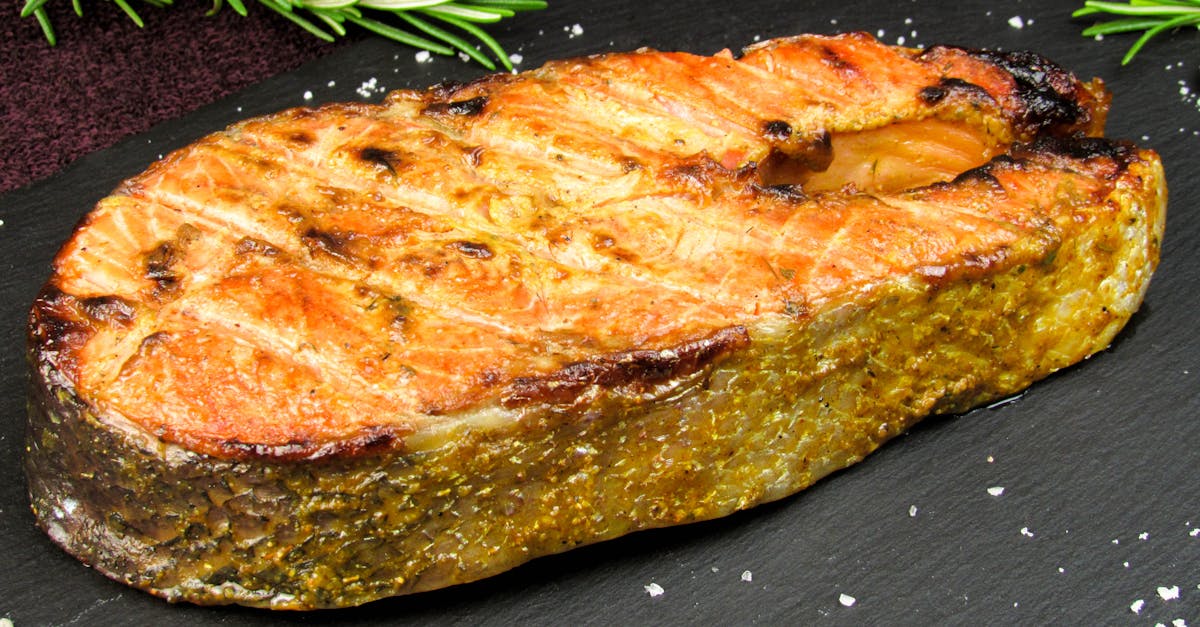
Grain Bowls and Rice-Based Grilled Salmon Meals: Quinoa, Rice Bowls and Fried Rice Reinventions
Grains are the architecture for repurposed salmon: they anchor sauces, absorb dressing, and offer mouthfeel contrast. A well-constructed bowl leverages warm grains, a cool herb dressing, crisp vegetables and the salmon’s residual char to create a balanced plate.
For a Mediterranean-style Salmon Quinoa Bowl, combine rinsed quinoa with lemon oil, chopped parsley, dill and diced cucumber. Add flaked salmon and scatter cherry tomatoes, capers and smashed avocado. The grain absorbs olive oil and lemon, becoming a canvas for the fish. This bowl qualifies as a nourishing healthy salmon meals option for weeknight feeding or upscale meal prep.
Rice Bowls and Fried Rice: the Umami Boost
Day-old jasmine or short-grain rice is ideal for a salmon fried rice. Preheat a wok until shimmering and use neutral oil that tolerates heat. Sear aromatics—garlic, ginger—and add vegetables that retain snap: peas, julienned carrots, and scallions. Scramble eggs separately then fold with cold rice and flaked salmon. Finish with a drizzle of toasted sesame oil and a hit of soy and oyster sauce to create an umami-rich finish.
Pro-tip: Treat leftover salmon like protein confit: add it at the very end to warm through gently. This preserves flake integrity and prevents drying.
For those seeking a refined bowl, a Greek-inspired rice or farro bowl layers kalamata olives, feta crumble and a yogurt-dill dressing. The savory, brined components pair spectacularly with the fish’s smoky edges. Wine pairing favors a mineral-driven, citrus-accented white—an unoaked Assyrtiko or a restrained Chablis—that mirrors the coastal terroir.
Meal-prep strategies: assemble grain and veg components separately and refrigerate. Portion out salmon on the day of service to control temperature and texture. Refrigerated grains can be revived by adding a little acid or oil before plating to rehydrate and enliven flavors.
Final insight: grains should enhance the salmon, not hide it—aim for a balance of temperature, acid, and texture so every spoonful affirms the fish’s smoked heritage.
Salmon Pasta Dishes and Creamy Transformations: Techniques for Luscious Sauces and Balanced Acidity
Pasta is the elegant stage for salmon pasta dishes. Cream sauces must be tempered so the fish’s flavor remains the protagonist. The editorial method emphasizes restrained cream, bright citrus, and textural finishers like capers or toasted breadcrumbs.
Begin with al dente pasta—fettuccine or linguine holds sauce beautifully. In a wide skillet, reduce white wine with minced garlic and lemon zest, then add heavy cream and a ladle of pasta water to emulsify. Stir in grated Parmesan for umami and a glossy finish. Flake salmon gently into the sauce at the end and fold through the drained pasta so heat is distributed evenly.
Vegetable Additions and Sensory Notes
Spring asparagus or wilted baby spinach adds color and vegetal brightness. Sun-dried tomatoes introduce concentrated sweetness that counters the cream, while capers and preserved lemon shards punctuate with saline acidity. Texture contrast such as toasted pine nuts or coarse pangrattato provides satisfying crunch.
Pro-tip: Reserve a small piece of the crust or skin when flaking; a thin crisped shard provides savory depth and a textural echo of the original grill.
For a lighter iteration, swap cream for a lemony olive oil emulsion and finish with whipped ricotta for silkiness that is less heavy. The culinary desk recommends finishing with a drizzle of a halophilic finishing salt—Sel gris or a smoked Maldon—for aromatic lift and to reinforce the fish’s littoral identity.
This section includes a practical kitchen test: when evaluating a leftover-salmon pasta, kitchen staff at Harbor & Hearth judged success by three metrics—moisture, seasoning balance and visual appeal. When any of those lagged, a squeeze of citrus, a splash of reserved pasta water, or a few capers remedied the plate promptly.
Salient pairing: pair creamy salmon pasta with a medium-bodied Vermentino or a restrained Pinot Gris for citrus and stone fruit notes that cut richness.
Final insight: aim for restrained cream and purposeful acids so the dish reads handcrafted rather than reheated.
Cakes, Tacos, Frittatas and Sushi Rolls: Portable Plates and Brunch-Focused Creative Salmon Dishes
Leftover salmon is a versatile building block across formats: fritters, tacos, frittatas and even sushi reinterpret the same fillet in distinct culinary languages. The editorial desk examines technique, seasoning and sustainability in each transformation.
Salmon Cakes and Potato Cakes
Combine flaked salmon with mashed boiled potatoes, a beaten egg, breadcrumbs and finely chopped green onion. Season with Dijon, smoked paprika and chopped parsley. Pan-fry in olive oil until golden. Serve with a tangy remoulade—mayo, lemon, a touch of horseradish and chopped cornichons—to cut the cake’s richness.
Pro-tip: refrigerate the formed patties for 20 minutes before frying to tighten the crust and prevent disintegration.
Salmon Tacos and Wraps
Warm the salmon gently, fold into soft corn tortillas, then top with an avocado-lime salsa and crisp cabbage slaw. For a nod to Asian influences, assemble lettuce wraps with rice, julienned carrot and a miso-sesame dressing. These portable options are perfect examples of easy salmon recipes that read vibrant and intentional.
Brunch: Frittata, Quiche and Breakfast Wraps
A salmon and spinach frittata is a robust brunch option. Eggs bind the fish and vegetables into a sliceable format that reheats well. For quiche, blind-bake a pastry crust then fill with egg custard, cream, flaked salmon and leeks. Serve slices warm with a crisp green salad.
Sushi rolls provide a textural contrast: chilled sushi rice, nori, cucumber and avocado frame the salmon in a clean, refined roll. When making home sushi with leftover grilled salmon, treat the fish gently and pair with pickled ginger to reawaken palate sensitivity.
- Top recovery tips: add acid (lemon, vinegar), add fat (olive oil, aioli), avoid high heat, reserve large flakes for garnish, chill patties to set.
- Kitchen staples: capers, Dijon, Greek yogurt, caponata, toasted nuts, preserved lemon.
- Meal-prep note: assemble bowls and salads the night before but add avocado or delicate herbs just before serving.
Final insight: the most successful salmon leftovers ideas are those that change the context of the fish—heat, acidity, texture—so that every iteration tastes newly conceived.
Let the kitchen’s curiosity transform surplus into signature; a modest fillet can define a menu when treated with craft and conscience. Stay Salty.

