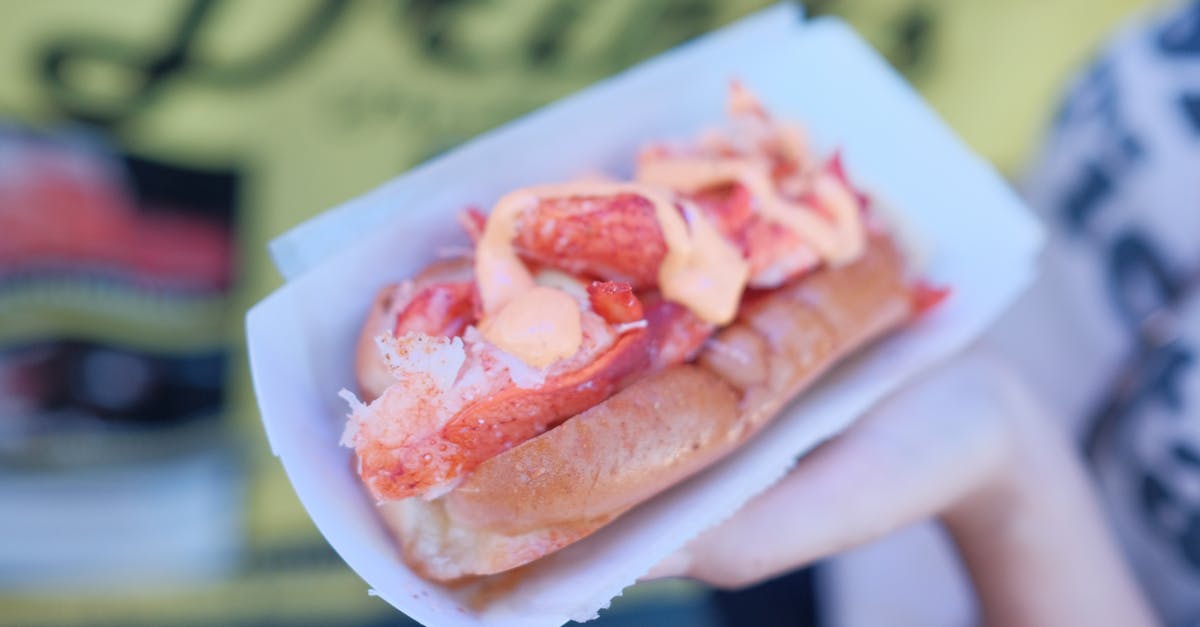
Briny heat on the tongue, a butter-kissed cradle of brioche, and the subtle snap of claw meat—this is what defines a truly perfected lobster roll. The editorial desk at La Fisheria dissects the craft behind this coastal icon, decoding sourcing, temperature control, texture balancing, and the minimalist seasoning philosophy that elevates a sandwich into a refined seafood experience. This piece synthesizes field interviews with restaurateurs across the littoral, technical notes from culinary institutes, and hands-on methods favored by heritage beach shacks and contemporary kitchens alike. Expect precise cooking temperatures, a rationale for choosing claw and knuckle over tail when aiming for a softer mouthfeel, and pragmatic mise en place tactics that keep service seamless. Each section addresses a different axis of mastery—procurement, thermal science, assembly, seasoning and pairings, and final service—to allow a home cook to consistently produce a delicious, restaurant-quality lobster roll. Sensory descriptions anchor every recommendation: sight, scent, texture, and that final, rewarding umami whisper. Practical links to curated gear and coastal weekend inspirations are woven in for those seeking to refine their toolkit or craft an elevated seaside meal.
- Fresh lobster is non-negotiable—seek active, bright-eyed specimens and prefer 1.5–2 lb for optimal tenderness.
- Seasoned cooking water and precise temperature control prevent rubbery meat—aim for 195–200°F while simmering.
- Chill then shock to stop carryover cooking; use cold lobster for a Maine-style mayo roll, warm butter for Connecticut-style.
- Split-top brioche buns, buttered and griddled, provide contrast and prevent sogginess.
- Minimal, high-quality extras: light lemon zest, chives, or a whisper of tarragon preserve the lobster’s sweetness.
Classic Lobster Roll Sourcing: Choosing the Right Lobster for Peak Flavor
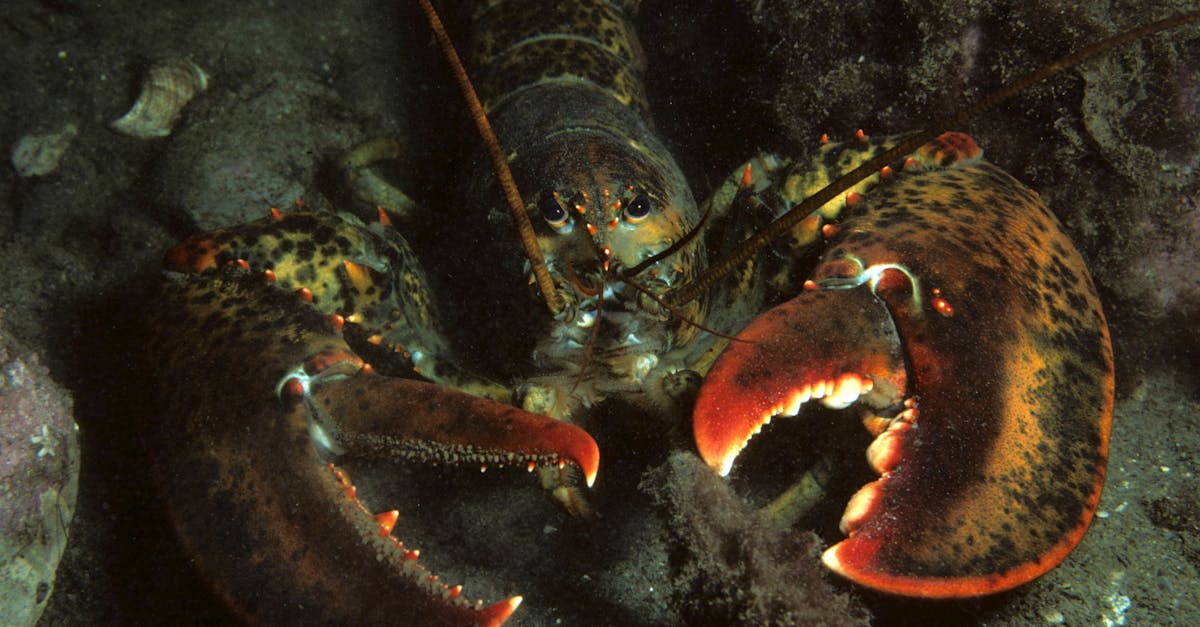
Sourcing determines the foundation of any superb lobster roll. The editorial desk recommends seeking lobsters that are lively at purchase, with firm tails and clear eyes—indicators of freshness and halophilic vigor.
Size matters for texture. Lobsters around 1.5 to 2 pounds strike the best balance between yield and tenderness. Larger lobsters often carry denser tail muscle that can be chewier when cooked; smaller specimens may not provide enough claw and knuckle meat for a proper roll. When possible, choose soft-shell lobsters during seasonal molts: their shells yield sweeter, more delicate meat favored by chefs aiming for a velvet mouthfeel.
Sustainable choices and provenance
By 2026, consumer expectations about provenance have become exacting. The market rewards traceability: fishermen practicing selective traps, seasonal harvesting, and low-bycatch gear receive preference. The editorial desk advises asking the fishmonger about landing dates, the fishing method, and whether the lobster came from a known littoral micro-climate—Maine and Nova Scotia remain heralded terroirs for their cold, oxygen-rich waters that develop that characteristic sweet flavor.
Buying whole and picking at home yields two advantages: cost-effectiveness and superior texture. Picking on-site at a trusted market often uncovers meat from the legs and body—small treasures chefs prize for marinade and textural complexity. For readers wishing to refine their kit, a curated list of professional implements—pliers, lobster crackers, and boning tweezers—is available at essential chef tools, recommended for those serious about restaurant-level prep.
Case study: A beach shack’s selection philosophy
At a family-run seaside stand in Kennebunk, the owner prefers a cohort of mid-sized lobsters landed the same morning. Each day’s selection influences service: a day heavy with claw meat invites a chilled, mayo-based roll, while a haul with robust tail muscle will be allocated to warm, butter-poached offerings. This practical sorting illustrates a key point: the best seafood sandwich respects the natural variability of crustaceans and adapts composition accordingly.
Ultimately, treat lobster selection as the primary seasoning. A top-tier roll is not an assemblage of adornments but rather a minimalist platform designed to amplify the oceanic sweetness and nuanced salinity of pristine, well-sourced lobster.
Key insight: sourcing choices directly shape cooking technique and dressings; match the lobster’s texture to the roll’s temperature and spread for optimal harmony.
Precise Cooking Techniques: From Seasoned Water to Butter Poaching
Cooking marks the decisive transition from live crustacean to succulent filling. Chefs insist on seasoning cooking water to echo the lobster’s littoral origin: when ocean water isn’t available, replicate halophilic balance with roughly a quarter cup of coarse salt per gallon.
Heat management is the discipline. Avoid a rolling boil that assaults muscle proteins; instead, keep the pot between 195 and 200°F so the lobster cooks through without contracting into toughness. For many kitchens, steaming offers gentleness and flavor retention; for precision, sous vide yields unrivaled control over doneness and texture.
Timing and doneness
Cooking times scale with size. Small lobsters require ten minutes; two-pounders approach twenty. The tail snap test remains a tactile indicator: a tail that curls tightly while in the water, then snaps back when straightened, signals readiness. For scientific rigor, an internal temperature of 135–140°F ensures succulence without overcooking.
After thermal extraction, immediately shock in an ice bath to halt carryover cooking and preserve the meat’s delicate sweetness. This step also eases shelling and prevents that telltale rubberiness that signifies heat stress on proteins.
Butter poaching: controlled enrichment
For a warm, Connecticut-style roll or for a richness-forward variant, butter poaching is transformative. Use unsalted butter warmed gently with aromatics—garlic cloves, a strip of lemon zest, or a sprig of tarragon—then introduce chunked meat and heat until warmed through. Maintain low heat; the goal is gentle infusing rather than aggressive sautéing.
Pro tip: pre-cook a small sample of claw meat to test seasoning absorption and texture before finishing the entire batch. A light splash of lemon at the end brightens the butter’s fat and keeps the palate lifted.
Key insight: meticulous temperature control—both during cooking and when cooling—is the single greatest determinant of a tender, umami-rich lobster filling.
Assembly and Temperature Balance: Choosing Buns, Dressings, and Ratios
Assembly is choreography: warm elements, cold elements, and textural counterpoints must be synchronized. The canonical vessel is a split-top bun, sometimes enriched as brioche for a whisper of sweetness. The top-slit design cradles the meat, minimizing spill and improving the bite-to-bun ratio.
Toasting and buttering the bun is essential. A griddle kissed with butter creates a golden crust that contrasts the meat’s softness and shields against sogginess. Serve buns immediately off the griddle or hold briefly in a low oven to prevent steam accumulation under the crust.
Mayo vs butter philosophy and temperature synergy
Temperature dictates the dressing: chilled lobster harmonizes with a bright, tangy mayonnaise or a house aioli—Japanese mayonnaise like Kewpie is often preferred for its refined acidity. Warm lobster pairs with melted butter to amplify richness and produce a silky mouthfeel. Combining warm butter and mayonnaise is ill-advised; emulsions destabilize when heated, producing an unappetizing texture.
Meat distribution matters. Many chefs use the TCK approach—tail, claw, and knuckle—to create textural variety. Others favor claw-and-knuckle predominance for an even, indulgent tenderness. For a balanced sandwich, aim for four to five ounces of meat per roll; this ensures presence without overwhelming structural integrity.
Practical checklist for assembly
- Pick and portion: shell and dice meat into bite-sized pieces; reserve whole claws for visual impact.
- Mise en place: have mayo or butter warmed, lemon zested, chives chopped, buns toasted.
- Fill gently: place meat inside the bun without overpacking; keep the top open for aroma release.
- Finish sparingly: a light scatter of chives or a whisper of lemon zest is often sufficient.
Key insight: the assembly stage is a study in restraint—precision in portion and temperature yields a sandwich where every element sings.
Refined Seasoning, Pairings, and Service Rituals for an Elevated Experience
Seasoning should be an act of subtraction, not addition. The philosophy at La Fisheria privileges the lobster’s innate sweetness; therefore, accoutrements are curated to accentuate rather than compete. A squeeze of lemon, a faint grind of sea salt, or a scattering of chives performs that job elegantly.
Experimentation with delicate acids—calamansi or yuzu in small dosages—can provide a gentle tropical lift without altering the roll’s coastal identity. For a bolder, savory twist, a small dollop of tomato relish in a warm roll introduces a counterpoint of acidity and texture that some coastal chefs employ to striking effect.
Pairing the lobster roll
Beverage pairing should mirror the roll’s temperature and fat. Cold, mayo-dressed rolls favor crisp, mineral whites—Sancerre or a chilled Muscadet—or a citrus-forward lager. Warm, buttered preparations call for a richer white, such as barrel-aged Chardonnay, or a light, effervescent sparkling wine to cut through the butter’s richness.
Side dishes are intentionally simple. A clean, salted kettle chip or a restrained fennel slaw complements texture without overshadowing the sandwich. For a refined coastal service, present the roll on a sun-bleached board or a white ceramic plate to emphasize color contrast: the pale pink lobster against the golden bun.
Service and mise en place at events
When serving multiple guests—an alfresco Hamptons weekend or a curated market stall—mise en place is critical: cooked meat kept chilled in an airtight hotel pan for Maine-style rolls; low, gentle heat for buttered meat in a bain-marie for Connecticut versions. A practical guide to assembling a portable, luxury seaside meal appears in La Fisheria’s travel features, such as Hamptons luxury weekend, offering inspiration for staging an elegant coastal lunch.
Storage and leftovers: keep picked meat refrigerated and consume within 48 hours for peak flavor. Reheat gently in butter for warm rolls and avoid microwave reheating, which compromises texture.
Key insight: service rituals—temperature preservation, presentation, and minimal sides—finalize the lobster roll as a curated culinary moment rather than casual fast food.
For cooks intent on mastering this iconic seafood sandwich, attention to sourcing, temperature discipline, restraint in seasoning, and thoughtful service cohere into a signature expression of the coast. Approach the lobster roll as a study in nuance and the result will reward with layers of sweetness, buttered richness, and refined texture. Stay Salty.

