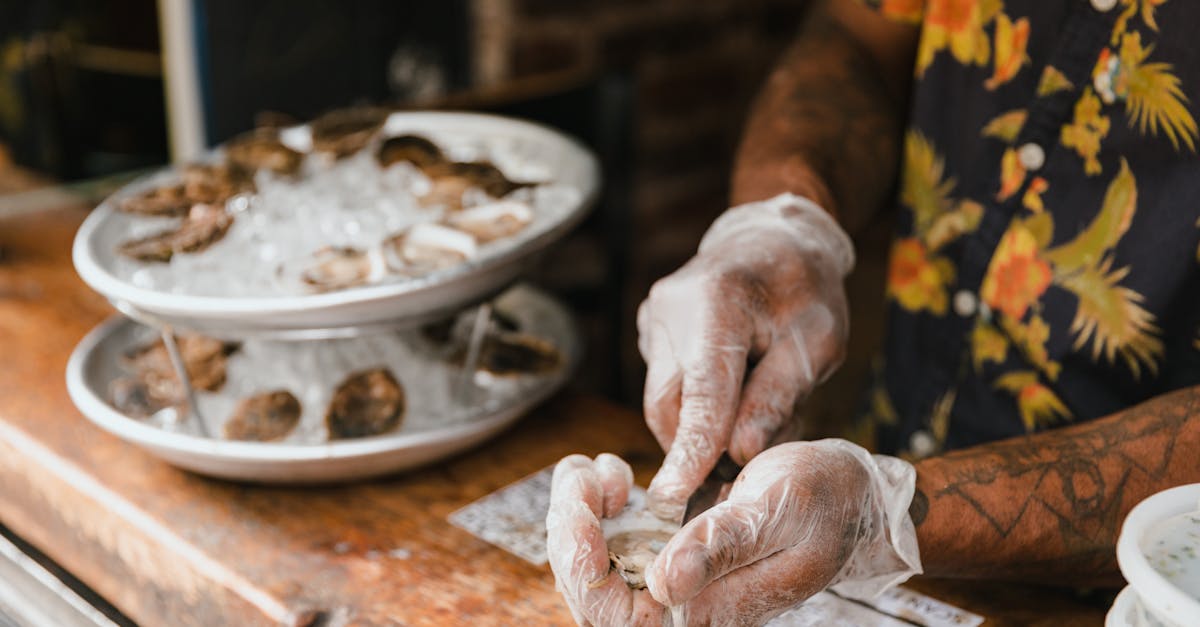
Salt on the tongue reveals the sea’s memory; the best oyster bars in the United States are where terroir, technique, and stewardship meet on the half shell.
For oyster devotees and coastal diners alike: this guide distills the most discerning oyster experiences across the nation in 2026, from century-old raw bars to artisanal farm-front shacks. It maps the distinct salinity fingerprints of New England coves, Chesapeake embayments, Gulf brine, and Pacific upwellings, and links each profile to destinations where the shellfish are treated with reverence and culinary precision. Expect notes on sustainable sourcing, shuck technique, regional specialties like charbroiled Gulf oysters, and the quiet work of aquaculturists restoring reefs. The editorial thread follows an imaginary buyer—Captain Elias—whose procurement runs from Maine’s granite harbors to Oregon’s kelp-lined bays. His choices illustrate the logistical and sensory reasoning behind menus at establishments such as Eventide Oyster Co., The Walrus and the Carpenter, Felix’s Restaurant & Oyster Bar, and Swan Oyster Depot. Each recommendation emphasizes freshness, traceability, and the ability to witness shucking as theatre. Readers will find pro-level tasting protocols, pairing schematics with wine and spirit terroir, and an actionable checklist for responsible oyster tasting that helps support resilient coastal fisheries.
En bref — quick takeaways
- Top regions: New England for briny, cupped shells; Pacific Northwest for mineral and kelp-influenced oysters; Gulf Coast for buttery, high-fat shells.
- Must-visit bars: century-old institutions, hyper-local farm bars, and modern raw bars that prioritize traceable supply chains.
- Tasting tips: evaluate liquor, texture, and finish; use acid sparingly; prefer artisanal mignonettes and heritage salts.
- Sustainability: favor bars that list farm sources or belong to oyster-restoration initiatives.
- Experience: watch shuckers, ask about seasonality, and pair with low-intervention wines or craft ciders.
East Coast legends and heritage oyster bars: where history meets brine
Heritage, provenance, and the standing raw bar tradition
The East Coast carries the most palpable oyster lore in the United States, where historic houses such as Union Oyster House and Grand Central Oyster Bar represent more than menus: they are living archives of littoral culture. Oyster bars here often prioritize locally harvested varieties—from Wellfleet and Pemaquid to Chesapeake Bay cultivars—each with a characteristic liquor and shell morphology. Patrons seeking authentic provenance should look for bars that list specific farms or harvest coves; that level of transparency indicates a relationship with the growers and an investment in quality.
Technique is part of the ritual. At many New England counters the shucker’s motion is almost ceremonial: a confident insertion at the hinge, a heel cut to free the muscle, then a gentle lift to preserve the liquor. That liquor—a brine concentrated with regional plankton and tidal history—defines the first impression. Bars like Eventide Oyster Co. and Neptune Oyster showcase Maine’s winter-time oyster economy, where varieties such as Pemaquid and Winter Point Selects are prized for their sweet, creamy bodies and lingering minerality.
Signature menus and examples
Mermaid Oyster Bar in New York modernizes a New England shack aesthetic; its multi-location model highlights both East and West Coast oysters, often rotated to reflect availability. In Philadelphia, Oyster House continues a family legacy stretching decades, emphasizing Mid-Atlantic flavors and a daily-changing raw selection. Meanwhile, Connecticut’s Oyster Club turns affordability into a philosophy with half-price happy hours and hyper-local sourcing—an instructive model for how accessibility and stewardship can coexist.
Each of these bars demonstrates different approaches to the same imperative: respect for the bivalve’s origin. For instance, the Union Oyster House underscores historical continuity, presenting oysters as chaptered pages of regional gastronomy. Conversely, establishments that foreground farm names—Matunuck, Little Neck, or Steamboat Slough—invite diners to taste a specific littoral signature rather than a generic « oyster » profile. Observing the shucker, noting shell curvature, and asking about salinity are practical moves that reveal the region’s microclimate on your palate.
Pro-tip: When visiting an East Coast bar, request a mixed tray that juxtaposes Connecticut/Long Island varietals with Rhode Island or Maine shells. This side-by-side tasting illuminates how subtle brine and terroir shifts create dramatically different finishes.
Final insight: East Coast oyster bars teach us that history and terroir are inseparable—the oldest counters still set the standard for provenance and ritual.
Pacific Coast and Pacific Northwest oyster bars: mineral clarity and farming finesse
Pacific terroir and the taste of upwelling
The Pacific seaboard offers oysters shaped by upwelling currents, cold nutrient-rich waters, and kelp forests—factors that produce shells with pronounced minerality and briny clarity. In Seattle, establishments such as The Walrus and the Carpenter curate daily rotations from hyper-local farms, emphasizing varietals with a lean, crisp finish and a seaweed-tinged umami. San Francisco’s Swan Oyster Depot and farm-centric Hog Island Oyster Farm are exemplary: they bridge dock-to-counter immediacy with an educational narrative about aquaculture practices in Tomales Bay and Humboldt.
Shucking here often reveals a firmer, cooler liquor than that of the Gulf. The shell shape tends to be flatter or elongated depending on tidal energy. Chefs and buyers like our filament character Captain Elias prize oysters from steeply flushed coves for their capacity to pair with crisp whites and bracing ales. The West Coast palate favors a restrained condiment approach, letting natural salinity and mineral notes dominate.
Cooking and pairing techniques unique to the West
For searing or grilling, alder and apple wood are preferred for their delicate smoke that complements rather than overwhelms an oyster’s intrinsic sweetness. Restaurants such as Connie and Ted’s deploy wood-fire techniques selectively—char to add contrast while preserving liquidity. When building pairings, sommeliers often choose Muscadet-like wines or young Chablis with steely acid to echo the oyster’s minerality.
Pro-tip: ask for a palate cleanser like a small sliver of cucumber or grapefruit granita between oysters from different beds; the bright acid clears the taste receptors and resets sensitivity to brine nuances.
Final insight: Pacific oyster bars are laboratories for mineral appreciation—here, the sea’s chemistry is always on full display.
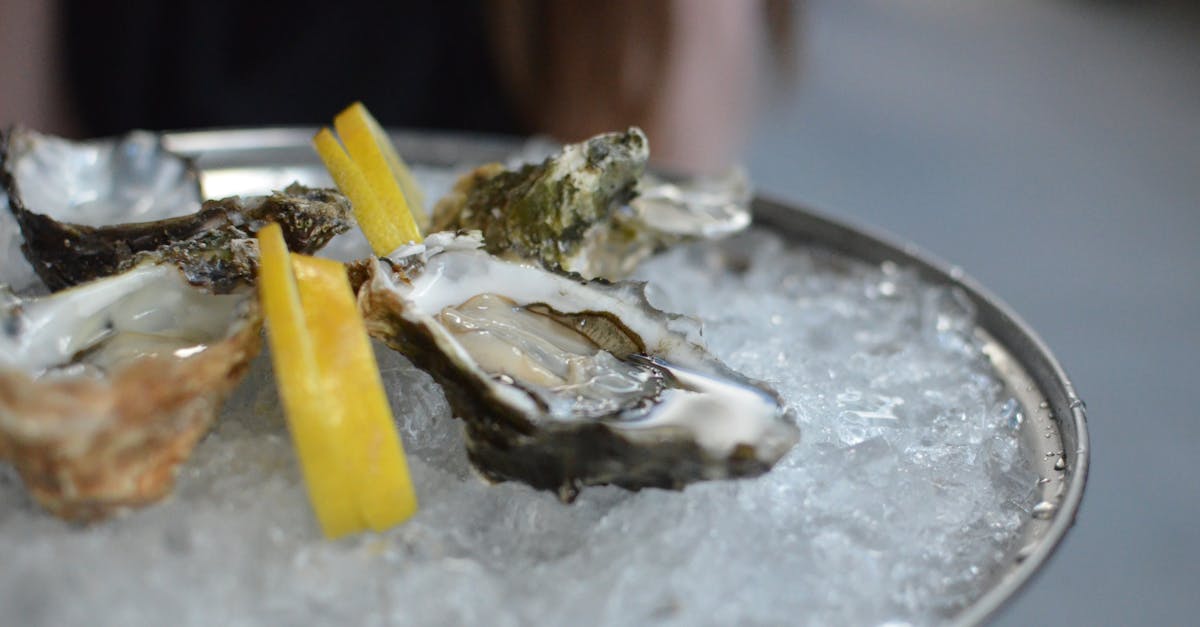
Gulf Coast and Southern oyster bars: charbroiled traditions and living culture
The culture of fat, char, and crowd
The Gulf Coast cultivates oysters that are often plumper and more buttery due to warmer, nutrient-dense waters. New Orleans exemplifies this tradition: institutions like Felix’s Restaurant & Oyster Bar, Pascals Manale, and Pêche celebrate both the raw and the cooked. Charbroiled oysters—dressed in garlic butter, breadcrumbs, or local spice blends—are a regional signature and an expression of live-fire lineage that amplifies sweetness while adding smoky complexity.
These bars are communal by design. At Felix’s, the shuckers’ cadence becomes part of the experience; at Pêche the menu reads as a tribute to Gulf reefs, with oysters from Grand Isle and local harbors listed by name. This provenance matters because Gulf oysters’ flavor profiles shift rapidly with freshwater influx from storms and seasonal cycles. Discerning menus will annotate harvest windows and farm sources, allowing diners to understand temporal variation.
How tradition meets conservation
Southern kitchens increasingly pair indulgence with stewardship. Chefs source from hatcheries that practice rotational harvesting, substrate restoration, and broodstock selection to maintain genetic diversity. Some bars collaborate with local restoration groups to fund reef rebuilding through a portion of nightly sales. Patrons supporting these venues thus invest in both culture and habitat recovery.
Pro-tip: If ordering charbroiled oysters, request a half dozen raw as a counterpoint; the contrast between pure liquor and roasted flesh highlights how cooking transforms texture and flavor chemistry.
Final insight: Gulf oyster bars make the case that indulgence and conservation can share the same plate, honoring both tradition and the sea’s future.
Inland and heartland oyster bars: logistics, freshness, and urban palettes
Moving oysters inland without losing their soul
Bringing truly fresh oysters to landlocked cities is a logistics art. Restaurants such as Shaw’s Crab House in Chicago and Little’s Oyster Bar in Houston build refrigerated supply chains and fast-turn raw bars to preserve texture and liquor. The quality of freight—air vs expedited ground—matters; same-day packing and ice cell technology ensure oysters arrive with minimal thermal shock. In cities like Orlando and Washington DC, establishments such as Reel Fish Coastal Kitchen & Bar and Pearl Dive Oyster Palace curate rotating selections timed to flights from Boston, Seattle, or the Gulf to maintain peak freshness.
Urban oyster bars often lean on articulate menus that list harvest dates and farm origin—an invitation to trust the provenance even when the water is hundreds of miles away. Chefs compensate for transport time with precise temperature control and by celebrating oysters with simple treatments: a restrained mignonette, a spritz of citrus, or a dash of heritage salt like Fleur de sel or Sel gris.
Actionable tips for inland tastings
For diners in heartland cities who want the best experience, follow this checklist:
- Ask about harvest dates: prefer oysters packed within 24–48 hours.
- Seek transparency: farms listed on the menu indicate a direct relationship with growers.
- Order a mix: compare East, West, and Gulf shells to sample diverse brine profiles.
- Timing: visit during raw bar happy hours when turnover is high and ice is freshly replenished.
- Watch the shuck: visible shucking signals the bar’s commitment to craft and freshness.
Pro-tip: When pairing oysters inland, choose low-intervention wines or crisp ciders to avoid masking delicate mineral notes introduced during transit.
Final insight: Well-run inland oyster bars demonstrate that excellent logistics can recreate coastal immediacy far from the shore.
Expert tasting, pairings, and stewardship: a practical guide for oyster lovers in 2026
Tasting protocol and technical depth
Oyster tasting is a sensory discipline. Evaluate three principal axes: liquor (salinity and umami), meat texture (from velvety to firm), and finish (mineral, metallic, sweet, or vegetal). Use an unadorned slurp first, then add measured condiments—one drop of lemon, a whisper of mignonette, or a flake of Sel gris. Over-acidification masks terroir; acidity should clarify rather than dominate.
Salinity varies with microclimate: Netarts Bay oysters (JAndy) present gentle brine and sweet meat, while Chesapeake or Hooper’s Island oysters offer bracing, nearly saline finishes. Record observations in a tasting notebook or a phone memo keyed to farm names; repetition trains the palate to detect subtle signatures.
Pairing schema and cooking techniques
Wine pairings should mirror the oyster’s weight: light, briny shells with Muscadet or a crisp Grüner; fuller Gulf shells with a soft, acidic Chardonnay or pét-nat. Beer pairing favors saison or a dry pilsner to cut through richness. For spirits, a chilled aquavit or a citrus-accented gin complements many briny profiles. When grilling, select woods like alder or apple to lend aromatic smoke without overpowering the oyster’s inner sweetness.
Sustainable actions every diner can take
Support oyster bars that list farm sources, contribute to restoration, or use regenerative aquaculture practices. Favor venues that rotate harvests, invest in hatcheries, or donate to reef rebuilding programs. Small consumer choices—ordering oysters from resilient farms and tipping generously to shuckers—translate into economic signals that help maintain coastal livelihoods.
Practical checklist for responsible oyster tasting:
- Confirm origin: choose oysters that display farm names and harvest dates.
- Favor seasonal windows: avoid stressed stocks after major storms or freshwater runoff events.
- Support restoration: dine at bars with reef-rebuilding partnerships.
- Learn to shuck or watch: engagement with the craft preserves culinary knowledge.
- Share knowledge: recommend and review responsible oyster bars to amplify best practices.
Final insight: Mastery of oyster tasting combines sensory technique, informed pairing, and an ethic of stewardship—choices that sustain both palate and marine ecosystems.
For the dedicated diner, the national oyster landscape in 2026 offers more than plates: it provides a map of ecological recovery, culinary invention, and cultural memory. Let the next order be both a taste and a vote for the sea’s longevity. Stay Salty.

