En bref
- White fish require sauces that respect texture and terroir; light, acidic finishes for delicate fillets, and richer emulsions for meaty cuts.
- Best sauces balance acid, fat, and seasoning—think lemon butter sauce for poached cod and a peppered herb emulsion for halibut.
- Fish recipes should pair technique with sauce: grilling asks for smokier reductions; pan-searing favors beurre monté and garlic-forward glazes.
- Seafood sauces can be sustainable and artisanal—use local citrus, heritage olive oils, and minimal cream where possible.
- Keep a curated mise en place: scalable sauces, simple finishing salts, and a reliable toolkit elevate every service.
Freshly landed flavors demand sauces that sing without drowning the sea. La Fisheria’s editorial team traces a coastal through-line from the fogged docks of Maine to the sun-bleached terraces of the Mediterranean, following the schooner Maris and its captain, Elias, as a connective thread for technique and taste. The following opening dispatch maps how to select the best sauces for every type of white fish, grounding each recommendation in texture analysis, seasonal sourcing, and sensory pairing.
The goal is pragmatic: present replicable sauce frameworks rather than recipes that merely repeat ingredients. We dissect acid profiles—vinegar vs citrus—emulsification strategies, and the role of umami-rich marine reductions. For delicate fillets like sole or flounder, the sauce must be whisper-light, offering a saline counterpoint that highlights flakiness and mouthfeel. For denser species such as halibut and sea bass, richer agents—reduced fish fumet, beurre monté, or a controlled cream sauce—lend body without masking terroir.
Sustainability guides ingredient choice. The Maris sources line-caught whitefish and odd-sized citrus from littoral cooperatives, demonstrating how artisanal inputs enhance flavor while supporting local fisheries. Practical pro-tips—how to finish a pan sauce with cold butter, or when to brine versus when to simply salt—are provided so cooks can adapt sauces to technique, seasonality, and plating. The result is a curated compendium of seafood sauces that are elegant, sustainable, and tailored to the unique physiology of each white fish.
Best sauces for delicate white fish: cod, sole, and flounder
Delicate white fish present a textural canvas: thin, flaky flesh that absorbs nuance but resists heavy emulsions. For these species, the imperative is contrast without domination. A well-executed lemon butter sauce—clarified butter mounted with a restrained lemon reduction—provides silk and acidity while preserving the fish’s saline signature.
Texture and flavor principles
Start with the fish’s structural properties. Cod and sole can be flaky and low in intrinsic fat; their mouthfeel benefits from small amounts of fat dispersed evenly. Use a light emulsion rather than a cream sauce to avoid coating the palate. Acid should be bright but tempered: prefer lemon juice combined with a quick white wine reduction to avoid bitterness.
Sauce examples and technique
Lemon butter sauce: Reduce dry white wine with crushed shallots and a bay leaf, strain, then mount with cold butter off the heat to form a glossy emulsion. Finish with a whisper of seaweed salt or a halophilic finishing salt to anchor marine notes. This technique enhances flakiness and imparts a luminous sheen to the fillet.
Herb sauce: For sole, a chiffonade of chervil, parsley, and tarragon blitzed with heritage olive oil and a touch of verjuice makes an herb sauce that complements without overpowering. Balance is key: too much oil flattens; too much acid tightens the flesh. Use a high-speed blender briefly—overprocessing releases chlorophyll and can darken the sauce, changing its sensory impact.
Pairing and plating
Serve delicate fish with minimal searing to maintain texture. Spoon the sauce in a crescent along the plate, allowing the diner to mix with the fish. For wine pairing, consult light aromatic varieties; see our notes on pairing at white wine with seafood for specific regional recommendations.
Pro-tip: finish with a grating of preserved lemon zest for an extra saline-umami lift. This step clarifies the citrus without increasing acidity, and creates an aromatic top note that draws attention to the fish’s natural sweetness.
Insight: delicate white fish reward restraint—choose sauces that amplify texture and marine terroir rather than mask them.
Robust sauces for meaty white fish: halibut, grouper, and sea bass
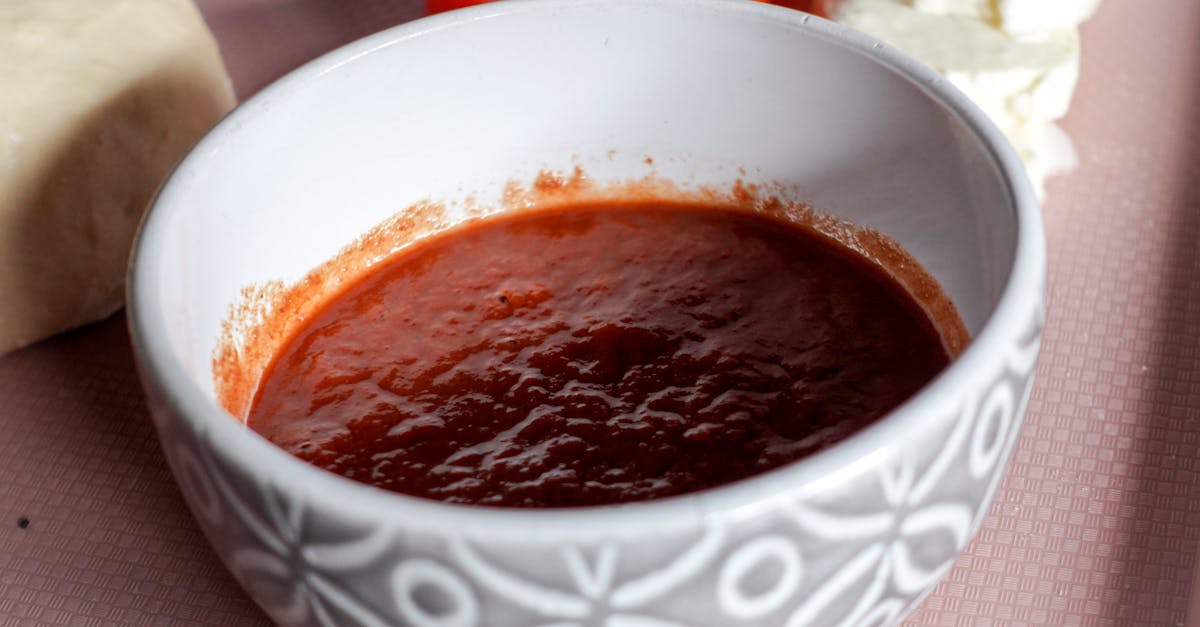
Meaty white fish present an opportunity for more ambitious sauces. Their higher collagen content and firmer flakes tolerate richer emulsions, reductions with roasted aromatics, and umami-enhancing agents. Construct sauces that complement density: think reductions fortified with shellfish fumet, herb-forward pistou, or a restrained cream sauce that adds silk without suffocating natural flavors.
Building body without heaviness
A controlled cream sauce can elevate halibut when it is reduced to concentrate flavor. Begin with a mirepoix sweated in olive oil, deglaze with a bracing dry white, then add a measured amount of cream and a spoonful of fish fumet. Reduce gently until the sauce coats the back of a spoon; finish with a spoon of cold butter to add sheen and roundness. The aim is depth, not weight.
Another approach is a halved-butter and citrus emulsion paired with roasted tomatoes and capers for a Mediterranean accent. Roasting concentrates sugars and increases umami, which pairs beautifully with the dense flakes of sea bass.
Umami accents and finishing salts
Use umami sparingly but decisively. An anchovy-caper purée or a miso-fortified glaze applied as a thin lacquer can accentuate savory notes while keeping the fish center clean. Complement with a finishing salt that reflects the littoral terroir—sun-dried bay salt or smoked Maldon—applied at service to create bursts of salinity against the fish’s flesh.
Case study: seared halibut with shellfish reduction
On the schooner Maris, Captain Elias pairs line-caught halibut with a crustacean reduction made from shrimp shells roasted for color, then simmered with fennel and white wine. The reduction is strained and mounted with a knob of butter; a scattering of charred fennel fronds adds texture and aroma. The resulting sauce is robust, coastal, and precise—showing how roasted bones and aromatics can amplify a meaty white fish without excess cream.
Insight: meaty white fish allow more structural sauces—use reductions and umami agents to build body while preserving the species’ natural profile.
Pan-seared and grilled techniques with matching sauces
Pan-searing and grilling impart surface Maillard and smoky notes that demand sauces with brightness or counterbalance. The charred crust alters the fish’s flavor matrix: smoky tannins pair well with citrus-harsh acids and herbaceous emulsions. Choose sauces that either complement the char or cut through it to reveal the flaky interior.
Grilling considerations and wood selection
Wood choice matters. Oak and apple offer different aromatic signatures; apple wood gives a sweet, gentle smoke suitable for delicate whitefish, while oak provides a more assertive profile for halibut. For thin fillets, use plank grilling to avoid overexposure to direct flame. For whole fish, consult our practical guide on technique at grilling whole fish which outlines temperature control and scoring methods to achieve even doneness.
Sauce pairings for searing and grilling
Garlic sauce with brown butter and roasted garlic is an ideal foil for pan-seared cod. The caramelized garlic adds sweetness and umami; brown butter provides nutty depth. For grilled sea bass, a charred pepper coulis with sherry vinegar and smoked paprika brings a smoky-sweet counterpoint that echoes the grill.
Technique tip: when finishing a pan sauce, deglaze with a reserved splash of the cooking liquor or a splash of dry white wine, then swirl in cold butter off-heat to form a velvety sheen. This step—beurre monté technique—elevates a simple pan sauce into something finishers in fine dining rely upon. For a detailed look at the tools that make this reliable, see our toolkit recommendations at essential seafood chef tools.
Pro-tip: rest grilled fillets on a warm plate and spoon the sauce around, not over, to maintain crust integrity. A scatter of micro-herbs and a finger of lemon oil completes the plate while keeping textures contrasted.
Insight: the interplay of smoke and sauce should create harmony—echo grill notes in the sauce or deliberately contrast them with bright, acidic finishes.
Cold sauces and condiments: tartar, dill, and herb-forward options
Fried, chilled, or poached white fish invites cold accompaniments. Here, texture and temperature become primary considerations. Cold sauces cling differently and mute some volatile aromatics, so they require heightened seasoning and textural contrasts—think capers for brine, cornichons for crunch, and chopped herbs for freshness.
Tartar and dill sauce dynamics
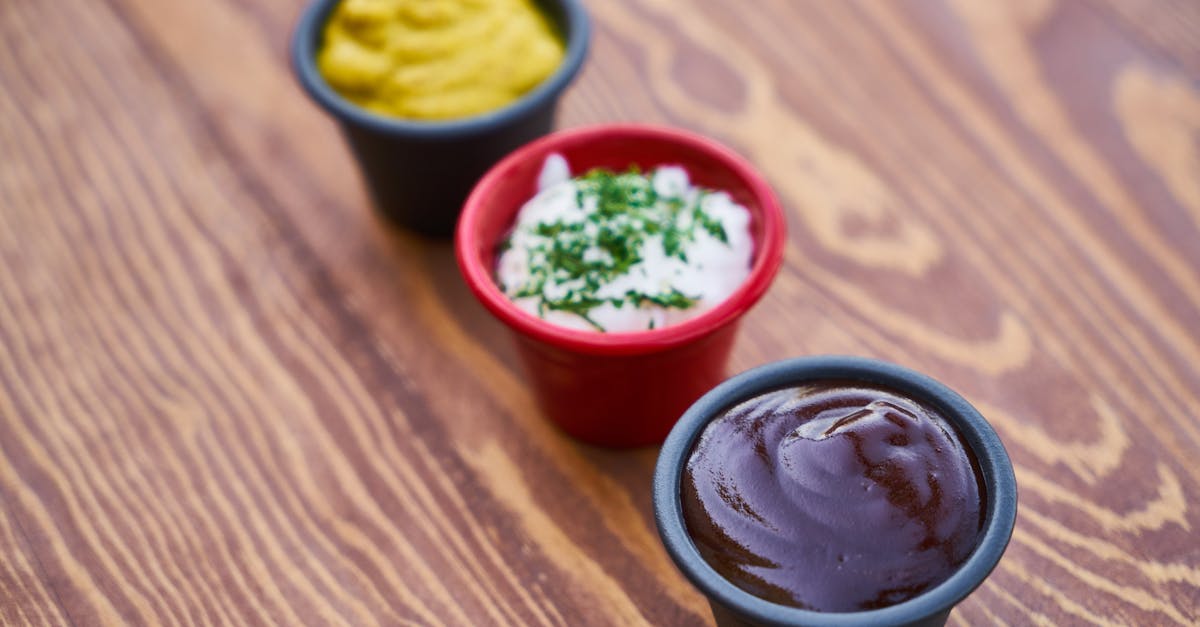
Tartar sauce is a classic, but the artisanal approach elevates it. Combine a neutral oil mayonnaise with chopped cornichons, fine-capers, pickled shallot, and a shave of preserved lemon. The acid must be tuned so the condiment adds lift without flattening the fish’s subtle flavors. For a lighter variant, replace half the mayo with thick cultured yogurt and finish with dill and chives.
Dill sauce excels with poached white fish. A dill emulsion made from crème fraîche, lemon zest, chopped dill, and a trace of mustard provides freshness and a slight tang. Dill’s anise-like aroma pairs with the clean, saline profile of poached cod and is a classical match in Northern European cuisine.
Cold herb sauces and modern variations
Herb sauces—pistou, chimichurri, or a basil-citrus emulsion—can be adapted for white fish by moderating oil content and brightening with acid. A chilled herb sauce benefits from a small amount of mayonnaise or aquafaba to bind and coat the flakes. For sustainability and regionality, substitute local sea herbs or samphire in place of imported basil to reflect littoral terroir.
Serving note: cold sauces are best applied as a quenelle or a steamed piped dot, maintaining temperature contrast with the fish. For fried preparations, tartar or aioli should be chilled to keep the crust crisp. Season care is paramount—cold sauces reveal salt clumps, so finish them with a fine crumble of finishing salt just before service.
Insight: cold sauces can be both comforting and refined; precision in acid and texture transforms a simple condiment into a signature finish.
Sauce building fundamentals: balance, sustainability, and finishing techniques
Sauce-making for white fish is a practice in balance: acid, fat, and seasoning must align with the fish’s physiology and the cooking method. Sustainability is equally essential—selecting artisanal oils, minimal cream where appropriate, and locally harvested citrus or herbs can reduce the environmental footprint while enhancing flavor.
Core building blocks
Every reliable sauce follows three stages: flavor base, liquid medium, and finishing agent. The flavor base might be roasted aromatics or shallots; the liquid medium can be wine, fumet, or citrus; the finishing agent is butter, cream, or an emulsified oil. Decide the dominant element based on the fish: for oily white fish, increase acid; for lean, add a textural fat.
Sustainability and sourcing
Choose ingredients that reflect regional littoral supplies. Use artisanal salts, heritage olive oils, and cooperative-harvested citrus. For deeper umami, prefer slow reductions of legally and sustainably sourced shellfish or use fermented vegetable concentrates as plant-based alternatives. Consult our sustainability primer at sustainable fishing and sourcing for guidance on ethical choices that improve flavor provenance.
Finishing techniques and pro-tips
Finish sauces with controlled fats—swirling cold butter off-heat, or mounting with a low temperature emulsifier to preserve gloss. When using cream, reduce first to intensify flavor and avoid diluting the fish’s natural juices. For plating, use contrast: a bright acid thread, a scatter of textured garnish, and a finishing salt that reflects the coast. These final moments define the dish’s sensory memory.
Practical list for mise en place:
- One reserve fumet (shellfish or fish)
- Three finishing fats (unsalted butter, heritage olive oil, cultured cream)
- Two acidifiers (dry white wine, preserved lemon or verjuice)
- Herb trio (parsley, dill, tarragon)
- Finishing salt (sun-dried or smoked)
Final operational insight: layer flavors gradually and taste at each stage—acidity should lift, not strip; fat should round, not coat; salt should heighten, not overwhelm. This discipline preserves the fish’s maritime essence and elevates every plate we send from kitchen to table.
The Bottom Line: Adopt sauces as tools of enhancement—they should clarify the character of the white fish, honor seasonality, and reflect coastal terroir. Stay Salty.

