A weathered beacon can be a better historian than any museum. The East Coast’s historic lighthouses map a narrative of commerce, storm, engineering, and coastal culture that reads like a layered maritime atlas.
En bref
- Historic lighthouses from Sandy Hook to Key West anchor a heritage route rich in navigation, architecture, and coastal communities.
- Exploring the route works best in regional segments: Maine for density, Massachusetts for immersive stays, Mid-Atlantic for unique engineering, and the South for layered colonial and nautical stories.
- Practical tips: book Thomas Point Shoal and Race Point well in advance, pack layered coastal gear, and time visits for golden hour photography.
- Pro-tip (culinary): use halophilic sea salts from local littoral streams to finish seafood at seaside picnics near beacons for a refined sensory link to place.
Historic lighthouse foundations and the long arc of maritime navigation
The East Coast’s network of beacons reads as an architectural ledger of evolving navigation technology, coastal erosion, and colonial economics.
Take the Sandy Hook Lighthouse in New Jersey: commissioned in 1764 and built by Isaac Conro, it originally stood just 500 feet from the Hook’s tip and now sits nearly a mile and a half inland thanks to sediment transport and longshore drift.
This shrine to early Federal navigation was funded by a New York Assembly lottery and taxes on incoming ships, functioning as the original New York Harbor sentinel. It became a National Historic Landmark in 1964 and still operates as an active light, a rare continuity of heritage.
Material choices and maritime engineering through centuries
Early towers used locally quarried stone or brick; the selection of granite or gneiss for New England towers paired durability with a rugged aesthetic adapted to halophilic environments.
Cast-iron and screw-pile designs proliferated in the Mid-Atlantic where soft shoals demanded lightweight, modular structures; Thomas Point Shoal in Maryland remains the only screw-pile lighthouse still in its original Chesapeake Bay location.
Structural intervention tells modern preservation stories: Cape Hatteras’ 1999 move — shifting a 4,830-ton brick tower 2,900 feet inland in 23 days — is a benchmark of conservation engineering against relentless coastal erosion.
Navigation technology and the keeper’s craft
Optics evolved from whale-oil lamps to Fresnel lenses, with the second-order lens at Boston Light projecting visibility tens of miles offshore. The keeper’s journal entries, often conserved in museum collections, reveal halophilic maintenance regimes: salt-driven corrosion, lens polishing routines, and the constant battle with fog, ice, and storm surge.
Pro-tip: Many keeper houses became museums; their logbooks record not just navigation but local provisioning—recipe notes using brined fish, smoked salt, and specific woods for cooking such as oak and hickory for robust, umami-rich flavors when smoking the catch.
The arc of technological change is legible in every masonry seam and cast-iron rivet, making these beacons living exhibits of maritime navigation and coastal heritage.
Final insight: the materials and methods of these towers manifest a dialogue between human craft and littoral forces, a conversation still ongoing today.
New England beacons: density, ecology, and cultural resonance
Maine and Massachusetts concentrate a high density of historic lighthouses where granite ledges, sand spits, and island shoals demanded a proliferation of signals for fishing fleets and coastal commerce.
Portland Head Light, Bass Harbor Head Light, and Pemaquid Point Light exemplify three distinct New England typologies: cliff-top masonry, sheltered harbor red beacon, and squat rock-sited tower respectively.
Ecology and the littoral influence on site character
The micro-climates of the northern littoral—cold salt air, fog banks, and tidal ranges—shape both flora and the corrosion regimes. Salt-tolerant vegetation and halophilic microbial growth influence preservation strategies and visitor experience alike.
Visitors who time trips for early morning fog burn-off or the fifteen minutes before sunset at Bass Harbor will encounter the most evocative light for photography and reflection on maritime heritage.
Culture, towns, and culinary connections
Small towns such as Rockport, York, and Kennebunkport evolved with local economies dependent on fishing, shipbuilding, and now curated tourism. The result is a refined coastal gastronomy that pairs locally harvested sea salts with freshly brined shellfish.
Pro-tip (boat-to-table): seek artisanal halophilic salts—smoked Atlantic salt or flake salt harvested from nearby tidal pools—to finish grilled striped bass over oak or applewood, echoing the local sea and shore in umami-rich fashion.
Museum exhibits—like the keeper’s quarters at Portland Head Light—often display whale oil lanterns, keeper journals, and nautical charts, which together create a layered narrative linking maritime navigation to community identity.
Final insight: New England’s lighthouse density provides an immersive arc where geology, ecology, and human culture converge into an exquisite coastal tapestry.
Mid-Atlantic engineering: unique forms and the challenge of preservation
The Mid-Atlantic corridor reveals architectural divergence: cast-iron towers, offshore cottage-style stations, and screw-pile structures adapted to Chesapeake shoals and tidal flats.
Thomas Point Shoal in Maryland is architecturally singular and best visited by boat; ticketed tours often sell out months ahead, reflecting the limited capacity and the ongoing restoration needs of such wooden and iron structures.
Architectural specificity and the human story
Montauk Point and Cape May present extremes: Montauk’s Federal-era masonry tower offers raw exposure to the Atlantic, while Cape May’s double-wall cast-iron spiral staircase provides a Victorian spectacle and panoramic vantage over migration corridors.
Keeper biographies—like Barbara Mabrity at Key West or the lineage of keepers at St. Augustine—offer human-scale narratives that tie colonial, 19th-century, and modern coastal life together.
Practicalities: access, booking, and seasonal rhythms
Planning for Mid-Atlantic stops requires attention to tides, booking timelines, and seasonal fog patterns. Thomas Point tours typically run June through October and cost in the range of $90 with limited passengers, making early reservation essential.
List of essential Mid-Atlantic stops:
- Thomas Point Shoal (MD) — unique screw-pile architecture, boat-only access.
- Montauk Point (NY) — Washington-era masonry with museum artifacts.
- Cape May (NJ) — Victorian town base, 199-step climb, major bird migration corridor.
Final insight: the Mid-Atlantic leg demands logistical finesse, rewarding the attentive traveler with singular engineering and layered maritime heritage.
Southern lights and the night economy of tourism and preservation
The southern stretch—from the Carolinas to Florida—layers colonial forts, ghost stories, and modern tourism onto lighthouse preservation efforts.
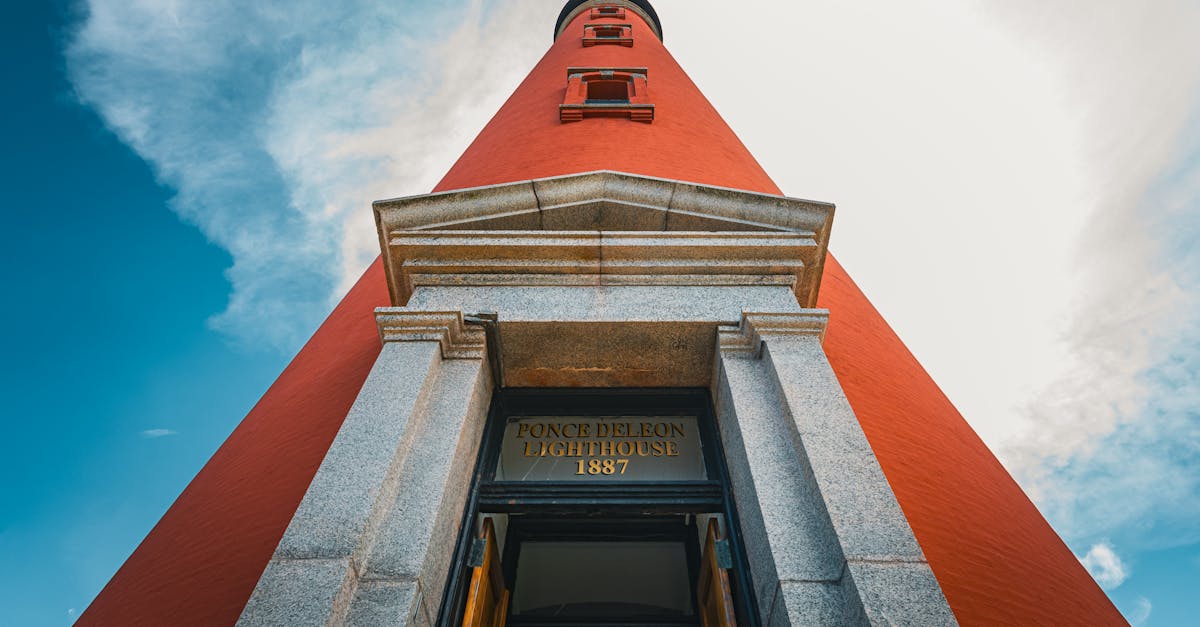
Cape Hatteras demonstrates both engineering resilience and current restoration complexity; the tower’s move in 1999 stands as a landmark event, but climbing access is periodically restricted due to conservation work.
Overnight experiences and curated stays
Race Point offers overnight stays in keeper’s buildings with transport included, delivering a deep-night maritime immersion. Rose Island near Newport provides weekly keeper-style stays, while Haig Point presents a higher-end island guesthouse iteration.
Pro-tip (overnight stays): overnight lighthouse stays are managed by foundations and nonprofits, not commercial platforms; plan months in advance and prepare for rustic comforts—lighting and heat management remain heritage constraints.
St. Augustine and Key West: history, archaeology, and hospitality
St. Augustine blends maritime archaeology with popular ghost tours, and its museum interprets underwater excavation finds for a public audience. Key West’s lighthouse sits amid an intense tourist circuit yet offers curated sunset experiences with charcuterie and local prosecco for upscale visitors.
Local conservation efforts often depend on volunteer docents and small foundation grants; these human networks form the backbone of lighthouse heritage protection and educational programming.
Final insight: the South combines heritage storytelling with hospitality, requiring stewardship that balances public access and long-term preservation.
Planning an exquisite, curated East Coast lighthouse journey
Segment the route: Maine and Massachusetts for a week; Mid-Atlantic for a long weekend; Florida for a separate southern finale. This approach keeps travel refined rather than rushed.
Packing should account for coastal micro-climates—a 68°F afternoon can drop 15°F with a fog bank. Comfortable footwear with genuine grip matters on wet granite and wooden walkways.
Booking, timing, and budget considerations
Admission fees typically range from free to under $20; boat tours cost from $41 to over $90. Expect to budget for specialty tours like Thomas Point Shoal and Race Point overnight stays.
Essential checklist for a curated lighthouse itinerary:
- Reserve limited tours (Thomas Point, Race Point) at season open dates.
- Time visits for golden hour or early fog-clearing windows for superior photography.
- Pack layered coastal gear and slip-resistant shoes for rock and boardwalk safety.
- Explore local artisanal flavors—brined fish, smoked salts, and littoral seaweed condiments connect place and palate.
Pro-tip (culinary & field craft): bring a small jar of regional flake salt and a portable grill with oak chips to finish a shore-caught fillet; the sensory link to place heightens appreciation for maritime heritage.
Embed the journey with a through-line: imagine following the schooner King of Hearts, a fictional coastal research vessel that stops at each lighthouse to document keeper archives, smell the brined nets, and taste local smoked fish. This thread humanizes the route and demonstrates how maritime history, coastal gastronomy, and heritage conservation interweave.
Final insight: a curated approach deepens appreciation—book ahead, travel regionally, and connect culinary and historical experiences for an exquisite East Coast lighthouse journey.
The Bottom Line: A curated call to coastline
Historic lighthouses on the East Coast are not static relics but living nodes of maritime navigation, heritage, and coastal culture; exploring them with attention to logistics, ecology, and local craft yields an exquisite, refined experience.
Stay Salty.