Salt-sparked steam, cedar smoke, and the chorus of clams opening like small maritime secrets—this is the tone a premium backyard clambake sets for a summer feast. A carefully staged clambake is an exercise in terroir, technique, and theatre: from the halophilic tang carried by locally harvested seaweed to the choice of oak versus applewood for the fire, every decision sculpts an experience. Hosts aiming for a refined yet convivial gathering must balance practical logistics with sensory detail—curated seafood, precise heat management, thoughtful pairings, an environment that encourages lingering conversations. Seasonality and sustainability now define the premium clambake; 2026 finds many littoral fisheries operating under rigorous catch limits and traceability programs, which means the modern host sources with provenance in mind. This piece outlines how to convert a backyard into an artisanal seaside table: planning permits and space, selecting certified seafood, choosing a cooking method that suits site constraints, layering flavors with brined butter and heritage salts, and orchestrating the guest experience so every bite reads of the sea. Expect actionable timelines, pro-tips a chef would use, and sensory cues to calibrate doneness and aroma. Each section stands alone as a practical dossier for hosts who demand excellence in outdoor cooking and summer entertaining.
- Premium backyard clambake: plan with permits, wind patterns, and guest flow in mind.
- Seafood sourcing: select artisanal, traceable shellfish and local lobsters for terroir-driven flavor.
- Cooking methods: traditional pit, charcoal grill, or stovetop—technique dictates texture.
- Clambake recipes: layering, brine, and butter finishes for umami-rich results.
- Party planning & guest experience: seating, tools, allergy management, and cleanup with maritime respect.
Mastering the logistics of a premium backyard clambake for a summer feast
Turning a private yard into a refined seaside stage begins with reconnaissance. Hosts should evaluate wind vectors, shade, and proximity to utilities before deciding where to position burners or dig a pit.
Local ordinances and neighborhood covenants may restrict open fires. When in doubt, secure a permit or choose a propane-powered stockpot setup to preserve the festive ambiance without regulatory headaches. A mapped plan helps: lay out cooking zones, guest seating, and a staging area for chilled seafood. Position the beverage station upwind of the cooking area so aromatic steam and smoke enhance rather than dominate the patio experience.
Equipment selection is central to executing a consistent seafood boil or clambake. A heavy-gauge stockpot with a tight-fitting lid functions as the workhorse for stovetop-style bakes. For more theatrical grilling, a two-zone charcoal or gas grill works well when fitted with a large steam basket. Durable tongs, heat-resistant gloves, and seafood forks must be staged within reach of the cook. Provide shell-cracking mallets and individual ramekins for butter and sauces to elevate the guest experience.
Staffing matters more than many anticipate. Designate one skilled cook to manage temperatures and a second to shuttle finished trays to the table. During larger gatherings, assign a “shell marshal” to collect discarded shells into aluminum trays to keep tables tidy. Accessibility considerations are non-negotiable: ensure flamed or hot elements are cordoned and that pathways are wide enough for guests using mobility aids.
Timing is the operational backbone. Allocate two hours for prep—shellfish cleaning, vegetable parboil, and mise en place—and 30 to 60 minutes for the actual cook, depending on the method and quantity. For events exceeding a dozen guests, split cooking across two stockpots or stagger batches to maintain peak service. Use a checklist: permits, burner fuel, scrub brushes for shellfish, extra sea salt, clarified butter, and large disposable trays for surplus and shells. This logistical choreography limits mistakes and ensures the guest experience remains seamless and immersive.
Final operational insight: maintain a small printed cheat-sheet of times and temperatures near the burner. It prevents guesswork and preserves the social aspect of summer entertaining where the host can circulate rather than be tethered to the stove. A well-prepared layout becomes the invisible hospitality staff that allows the clambake’s cultural generosity to shine.
Choosing artisanal seafood and produce: sourcing for an umami-rich clambake
Ingredient provenance transforms a backyard clambake into a premium culinary event. Hosts should cultivate relationships with trusted purveyors, artisanal fishmongers, or community-supported fisheries to secure fresh, traceable shellfish and lobster.
Clams anchor the bake—soft-shell steamers for tender, briny meat and hard-shell quahogs for dense, chewy texture. When selecting clams, prefer those harvested within 48 hours and displayed on ice. Mussels should be closed and heavy for size, signifying good liquors inside. Lobsters add theatrical color and richness; choose regionally appropriate sizes to balance yield and cost. Shrimp, if included, deliver sweetness and texture contrast when left with tails on for presentation.
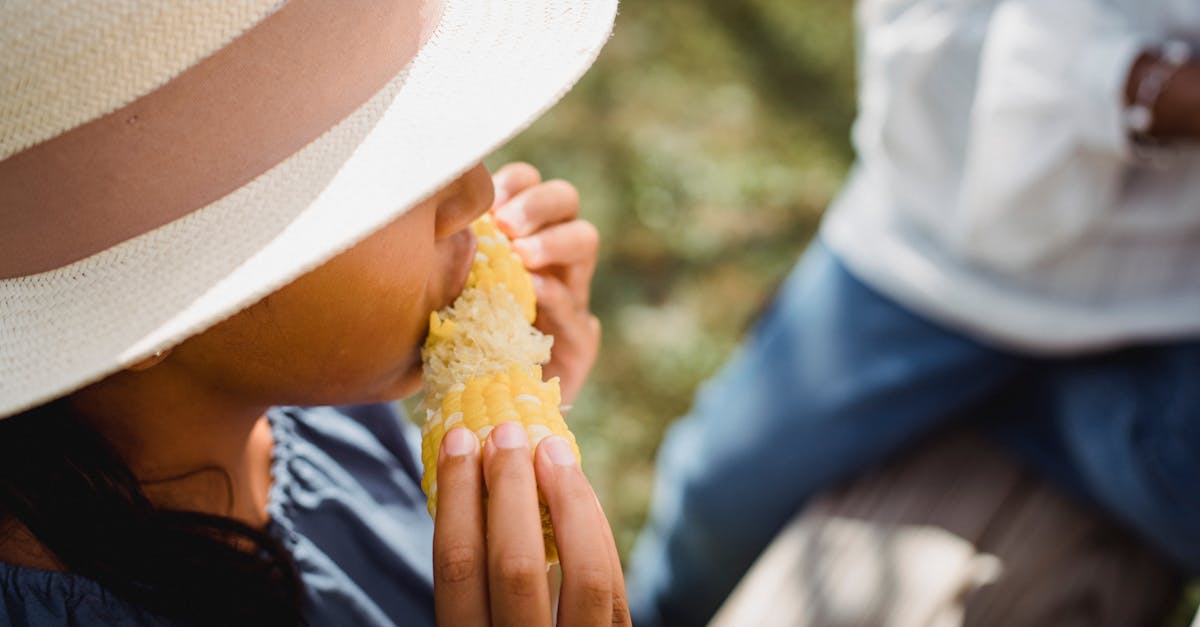
Vegetable accompaniments are more than filler; they carry the broth’s maritime essence. Use new potatoes with thin skins that take on steam and braise into tender, buttery bites. Sweet corn should be harvested at peak sugar; its kernels burst with contrast against saline shellfish. Consider heritage varieties—yellow or bi-color—whose terroir-specific sugars elevate the summer feast.
Seasoning must be deliberate. Use an artisanal sea salt—Maldon flakes for finishing and a coarser halophile-rich salt harvested from a nearby littoral for brining water. Clarified butter finished with lemon and minced parsley remains the canonical accompaniment, but hosts can layer complexity with an umami-rich brown butter-drizzled sauce or a garlic-saffron aioli for contrasts.
In 2026, many coastal fisheries report improved traceability programs. Seek labels such as certified sustainable or fisheries that publish catch reports. Ask the supplier for the harvest date and area; sustainable sourcing not only honors the ocean but also contributes a narrative to share with guests—an artisanal provenance that reads on the palate.
Dietary considerations deserve attention. Provide a vegetarian steam basket of mushrooms, fennel, and cauliflower steaks, steamed alongside potatoes and corn. For guests avoiding shellfish, prepare an aromatic bouillabaisse-style vegetable broth with smoked paprika and fennel fronds as an alternative. Label dishes clearly and position allergen-free platters to avoid cross-contact.
Pro-tip for flavor calibration: soak clams in cold salted water for 30 minutes to encourage purging of grit, then give them a final scrub. For an additional marine perfume, layer a thin mat of fresh kelp or locally foraged seaweed under the vegetables; it imparts a subtle halophilic aroma without overpowering the proteins. This attention to ingredient sourcing and treatment is the difference between a casual boil and a curated, terroir-driven clambake.
Cooking techniques and grilling tips: from traditional pit to stovetop seafood boil
Technique defines texture. The traditional pit method yields smoky, steamed layers where heated rocks and seaweed create steam that infuses ingredients with salinity and smoke. For backyard practicality, emulate these mechanics with a heavy stockpot or a charcoal grill adapted for indirect radiant heat.
Traditional pit execution requires careful site selection and smooth, heat-retaining stones. Build a wood fire until stones are incandescent; rake coals aside and line the pit with a bed of fresh seaweed. Layer potatoes and corn first, then place seafood on top to benefit from rising steam. Cover with burlap and a tarp for an hour to trap heat, checking for doneness by observing the color and opening of shells.
Grill method: set up a two-zone fire, with coals on one side and an empty chamber for indirect cooking. Use a perforated steam basket or a large roasting pan with a tight lid. Place soaked seaweed or a shallow pool of brine on the heat source to generate steam. For smoke nuance, add applewood chips for a fruitier profile or oak for a more robust, savory edge. The choice of wood shifts the aromatic signature of the entire meal.
Stovetop technique suits those constrained by space or permits. Use a heavy stockpot equipped with a steamer insert. Layer seaweed (or a bed of washed kale if seaweed is unavailable), parboiled potatoes, corn, then shellfish. Seal with a heavy lid and maintain a vigorous simmer—do not boil aggressively as it bruises delicate meats. Typical cook times: clams and mussels 6–8 minutes until shells open; lobster 12–18 minutes depending on size; shrimp 2–4 minutes until pink and curled.
Temperature cues are sensory: the aroma of briny steam should be assertive but not acrid. Lobsters turn a vivid carmine; clams and mussels open and exude a glossy liquor. For safety, shellfish and crustaceans should reach an internal temperature of 145°F where applicable. Use a probe for thicker pieces.
Pro-tips from the galley: reserve the cooking liquor after straining; it is a concentrated broth ideal for a starter chowder or to baste grilled fish later in the evening. Clarified butter stays liquid longer and won’t congeal when server trays sit in ambient summer temperatures. When grilling, position trays at the cooler side of the grill during the last five minutes to allow gentle finishing without overcooking.
Handling the heat is as much choreography as technique. Stagger batches so that guests receive the freshest items first. Keep a small heat lamp or insulated tray to hold finished seafood at serving temperature. These tactics preserve textural integrity and ensure that every plate delivers the precise contrast between briny, sweet, and smoky that defines a premium backyard clambake.
Clambake recipes, timing, and party planning for flawless summer entertaining
Execution lies in the recipe and the timeline. Begin two days out by confirming seafood orders and checking grill fuel or propane cylinders. On the day, perform mise en place two hours before guests: scrub and soak shellfish, halve corn if desired, and parboil potatoes for ten minutes to ensure even doneness during steaming.
Signature clambake layering:
- Base: bed of fresh seaweed or sturdy greens to create a marine steam layer.
- Roots: parboiled new potatoes seasoned with coarse sea salt.
- Vegetable layer: sweet corn halved, fennel slices for aromatic lift.
- Seafood top: clams, mussels, lobster halves, and shrimp arranged so denser items touch the steam last.
- Finishing: melted clarified butter with lemon, chopped parsley, and optional smoked paprika or Old Bay for a regional accent.
Cooking timeline for a 12–16 person boil: 120 minutes prepping, 45 minutes total cooking in staggered batches, 30 minutes plating and socializing. Have small pre-bites—oysters on ice or a crusty bowl of chowder—to occupy guests while the main pots finish.
Pairings refine the palate. Crisp, saline-driven whites like an unoaked Sauvignon Blanc or a Lefké-style Greek Assyrtiko accentuate shellfish minerals. For beer, a clean Pilsner or a citrus-forward saison complements the buttery, smoky notes. Rosé with higher acidity moderates richness. Non-alcoholic selections should include herb-infused lemonades—lavender lemonade or mint-cucumber iced tea—to refresh the palate.
Dessert should be light: a blueberry cobbler or a citrus panna cotta provides a sweet, bright close that echoes coastal fruit traditions. Consider a simple peach dump cake or a shortcake with macerated strawberries to maintain the menu’s rustic charm.
Service choreography: present the clambake on large aluminum trays layered with parchment for rustic elegance. Provide bowls for shells and disposable kraft-lined trays for easy cleanup. Assign guests to communal tables that encourage conversation—this is a shared event as much as a meal. Clear signage for allergens and a station for cleared shells shows consideration and professionalism in party planning.
Pro-tip for leftovers: strain and chill the cooking liquor, then freeze in quart containers. It’s an invaluable base for seafood stews later in the season.
Designing the guest experience: ambiance, decor, cleanup, and sustainable practices
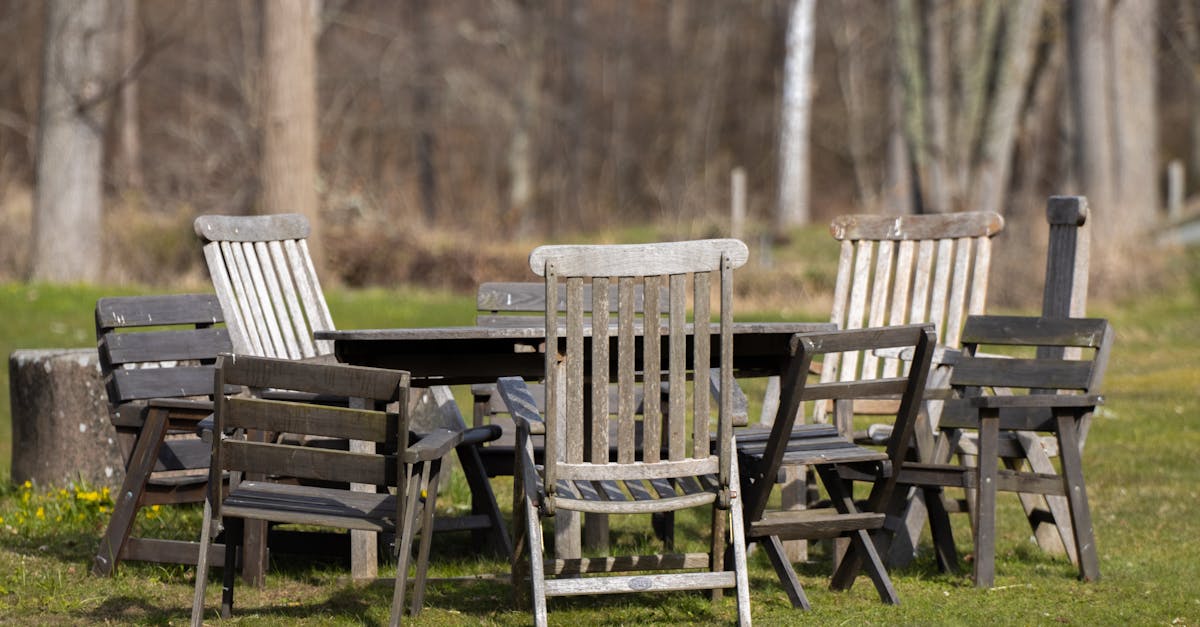
The ambience elevates a clambake from meal to memory. Choose a palette of sun-bleached linens, soft blues, and natural wood to echo coastal heritage. String lights or lanterns warm the evening and encourage lingering conversation. Centerpieces should be low and textural—dried grasses, a scattering of shells, or a small driftwood display—to maintain sightlines across the table.
Service elements are functional design. Offer wet wipes and bowls of diluted lemon-salt water for quick hand cleaning between courses. Provide sturdy utensils, seafood forks, and shell mallets to empower guests and reduce frustration. If preferred, stage a small demonstration at the outset on using a mallet and extracting meat from a quahog; it becomes part of the ritual and assists less experienced diners.
Sustainability completes the story. Use compostable trays and collect shells separately for garden lime or community compost programs where allowed. Minimize single-use plastics by offering glass or aluminum drinkware and sourcing condiments in recyclable containers. Communicate sourcing choices to guests: a small printed card detailing the origin of the clams and lobsters adds depth and celebrates artisanal suppliers.
Manage waste and safety with clear stations. A designated shell-collection bucket prevents stray debris. Have a small first-aid kit and burn ointment accessible. For parking and neighborhood etiquette, notify neighbors ahead of the event and limit loud music after local quiet hours to maintain good relations.
Creating a memorable guest experience also means anticipating needs: shaded seating for older guests, a highchair for infants, and quiet corners for intimate conversations. The host’s role is curator—selecting details that transform an outdoor cooking exercise into a cohesive sensory story.
Final hospitality insight: invite guests to participate in a simple ritual—passing the clarified butter bowl or a shared toast—so that the clambake becomes not only about consumption but about co-creation. This shared gesture is the lodestar of any successful premium backyard clambake.
Stay Salty.

