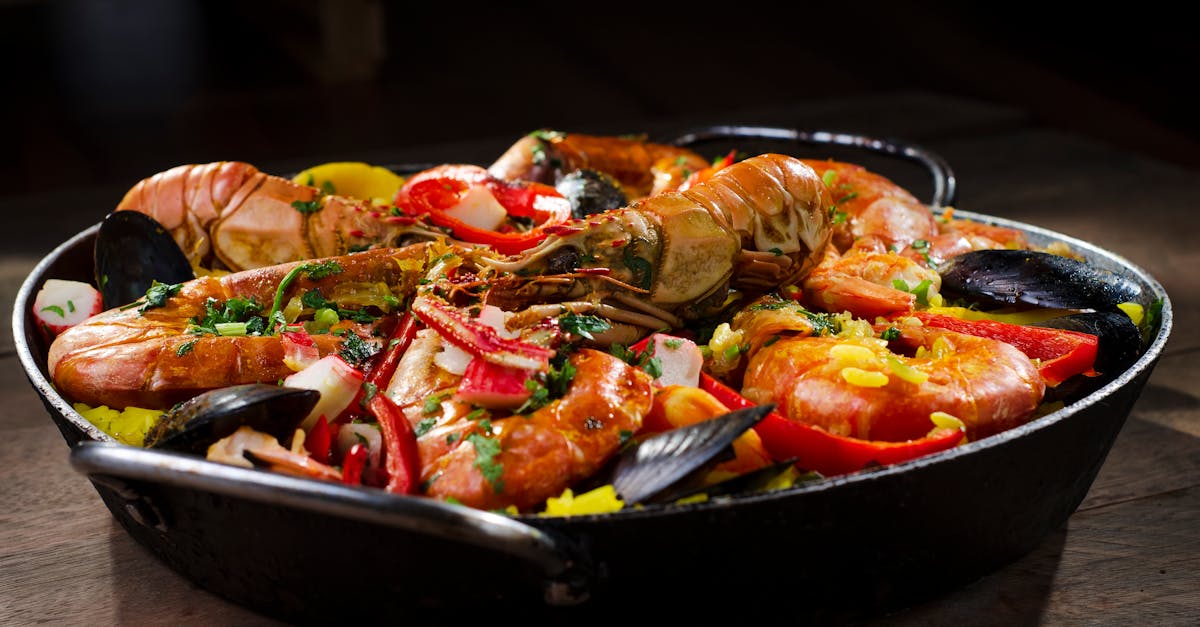
Salt-slicked aromas rise from a cedar plank; a sun-warmed terrace waits with a plate of bright, brined fish.
The following dispatch maps the artisanal pathways that make Mediterranean summer cooking singular: from the littoral micro-climates that shape flavor to the hands-on techniques that preserve texture and brininess. Expect practical guidance on selecting truly fresh fish, precise approaches to searing and grilling on olive or almond wood, and recipes that celebrate heritage while remaining healthy and modern. The narrative follows a small family fishery, Littoral Harvest Co., as a recurring example — their seasonal catches, preservation choices, and market rituals demonstrate how provenance influences every bite. Culinary pro-tips about halophilic salts, brining ratios, and low-temperature confit sit alongside sensory descriptions of melt-in-the-mouth flesh, citrus brightness, and herbaceous green oils. Readers will gain concrete recipes and service cues suited to terrace dining and coastal entertaining, with an eye toward sustainable sourcing and minimal waste. For those seeking deeper editorial context on philosophy and sourcing, consult La Fisheria’s editorial guidelines for curated sourcing principles and seasonal calendars. This body of work privileges density of information and sensory fidelity over platitudes; each segment finishes with an executive insight to be applied in the home or professional kitchen.
- Core focus: Traditional Mediterranean seafood recipes tailored to summer—fresh, simple, healthy.
- Techniques covered: brining, searing, plancha, confit, raw marination.
- Flavor anchors: halophilic salts, citrus finishing, herbaceous olive oils.
- Sourcing ethos: small-scale fisheries, seasonal procurement, reduced bycatch.
- Practical outcomes: plated recipes, pairing notes, service tips for alfresco dining.
Essential ingredients and coastal terroir for Mediterranean seafood recipes
Terroir shapes flavor in the same way soil does for vineyards; Mediterranean littoral zones impart saline subtleties that distinguish each catch. Coastal micro-climates — the cool, nutrient-rich currents of the Ligurian Sea versus the warmer, halophilic pockets of the eastern Aegean — produce distinctly textured fish and shellfish. Sensory evaluation at market level is critical: look for eyes that are glassy, gills that retain a deep rose hue, and flesh that returns slightly when pressed.
Staple ingredients anchor traditional summer cooking: extra-virgin olive oil from sun-bleached groves, citrus varieties like Sicilian blood orange and Greek limoncello lemons, and halophilic salts such as fleur de sel or a coarse Guérande. The term halophilic is used here to describe salts harvested from marine flora-rich flats; these salts carry mineral complexity that complements umami-rich seafood. Artisanal capers, preserved lemons, and roasted pepper purées are pantry allies that deliver brightness without heaviness.
Fish selection for summer favors lean, quickly cooked species: sardines, anchovies, gilt-head bream, and Mediterranean sea bass. Shellfish — prawns, razor clams, and mussels — thrive in warmer months but demand rapid cooking to preserve their brine and texture. For each species, technique adjusts to thickness and connective tissue. A fillet under 2 cm benefits from high-heat searing for crisp skin and rare center; thicker loins call for initial sear followed by controlled oven finishing.
Specific salts, woods, and oils
Preferred salts include fleur de sel to finish delicate ceviche or carpaccio, and a coarse flake for crusting fish prior to grilling. For smoking or plank grilling, olive and almond woods impart a restrained fruitiness, while oak gives structure and a faint tannic smoke. Choose olive wood when working with delicate white fish to avoid overpowering the flesh. Oils: select single-harvest, cold-pressed extra-virgin olive oil with a peppery finish for finishing fish; reserve a milder oil for pan lubrication.
Illustrative example: Littoral Harvest Co. sources sea bream from a Levantine cove where tidal exchange produces a firm, slightly briny flesh. Their process: catch at dawn, iced and bled within the hour, dry-packed with crushed ice, then sold at local markets by noon. This short chain preserves freshness and reduces reliance on heavy brines or preservatives, allowing simple techniques like plancha grilling to reveal terroir.
Pro-tip: A short brine (5–10% salt by weight in water, 20–40 minutes for small fillets) firms flesh and reduces fishy aromas while preserving natural juices. Avoid over-brining: the aim is seasoning and texture control rather than cure. Final insight: ingredient provenance is the single most decisive factor in summer Mediterranean seafood recipes; treat sourcing as a core technique.
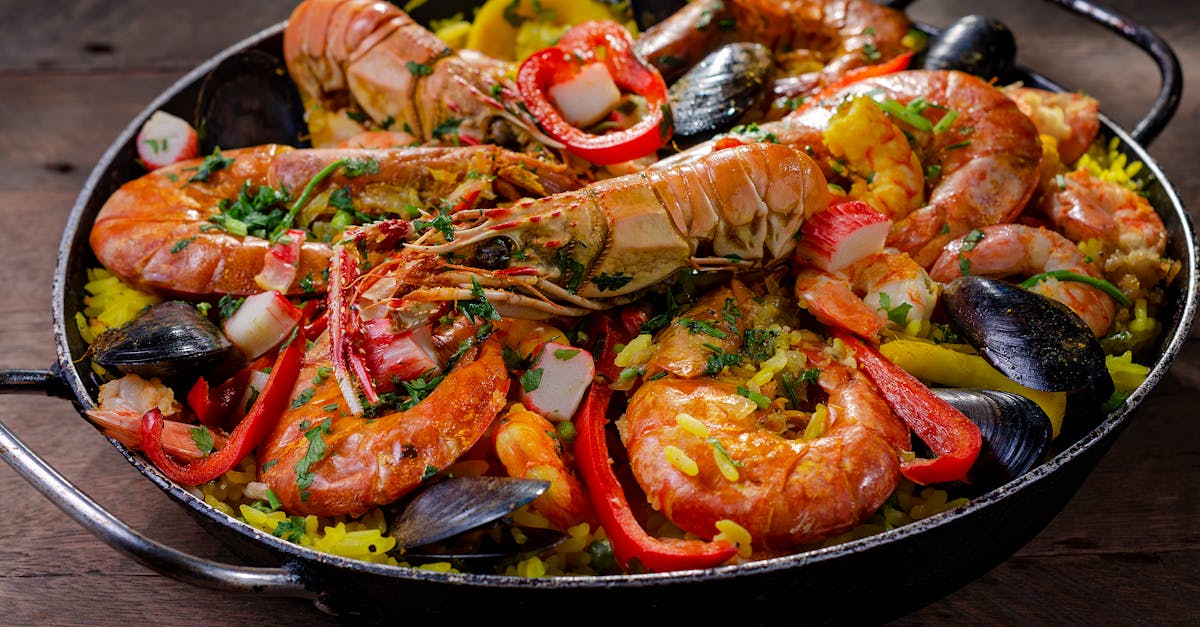
Traditional recipes: cornerstone dishes for summer entertaining
Traditional summer plates in the Mediterranean emphasize quick cooking and fresh flavors—techniques that preserve translucency and deliver immediate aromatic impact. Recipes below combine heritage with modern service: a terrace menu can progress from an herb-sprinkled crudo to a charred whole fish, finishing with a citrus-herb dressing that ties the meal together. These preparations are optimized for home cooks and professional chefs seeking refined but accessible summer fare.
Sardines a la Plancha with preserved lemon and fennel
Ingredients are intentionally few: fresh sardines (gutted, heads optional), coarse halophilic salt, crushed black pepper, thinly sliced fennel, preserved lemon rind, and robust extra-virgin olive oil. Technique: heat a cast-iron plancha or heavy skillet until almost smoking; oil very lightly to avoid flare-ups. Lay sardines skin-side down, press briefly for even contact, sear 90 seconds per side for medium-thin fish. Finish with finely chopped preserved lemon, fennel fronds, and a drizzle of peppery olive oil. Serve on warm ceramic plates.
Explanation: quick sear maintains the fatty, umami-rich interior while creating a crunchy skin. The preserved lemon introduces saline acidity without diluting the sea notes. This dish illustrates how simple components, treated with technical precision, yield complex results.
Seared sea bass with caper-nut reduction
Start with thick sea bass loins. Pat dry, score skin lightly, season sparingly with coarse salt. Heat a neutral oil to high temperature; lay fish skin-side down and sear until the skin crisps and separates from the pan. Flip and finish in a 180°C oven for 4–6 minutes depending on thickness. For the reduction: sauté minced shallot in butter, deglaze with dry vermouth, add capers and a bright squeeze of lemon, reduce until glossy. Spoon the reduction around the fish; finish with micro-herbs.
Technique rationale: a two-step cook ensures textural contrast—crisp skin, supple flesh. The caper-nut reduction offers brine and citrus tension to balance the fat of the fish. Final plating should emphasize negative space; the fish remains the star.
Cold octopus salad with green olive purée and smoked paprika oil
Gentle braise the octopus in a court-bouillon until tender, shock in ice water, peel and slice. Dress with a green olive purée (pitted olives, garlic, olive oil), drizzle smoked paprika oil for aroma, scatter toasted pine nuts. Serve chilled as a bright starter that showcases texture and maritime aromatics.
Pro-tip: When braising octopus, introduce a copper coin or a pressure-chill to accelerate tenderization; timing is species-dependent—small specimens may be done in 30–40 minutes, larger ones require longer. Finish each recipe with a flourish of fleur de sel to accentuate natural sweetness. This recipe set demonstrates how traditional Mediterranean seafood recipes can be both rustic and refined, ideal for summer service.
Summer cooking techniques: from plancha to low-temperature confit
Summer kitchens favor techniques that accentuate freshness and keep service light. Mastery of thermal control distinguishes a good result from a great one. For thin fillets and whole small fish, direct high heat on a plancha or charcoal grill delivers caramelized skin and a bright interior. For thicker cuts, employ an initial sear followed by oven finishing at controlled temperatures. Confit and slow poaching offer an alternative for communal dishes, yielding butter-like textures without excess oil.
Grilling and plancha specifics
Choose fuel with intention: lump charcoal for robust smoke, olive or almond wood for subtle aromatics. Preheat to establish a bed of radiant heat; for plancha work, aim for surface temperatures between 220–260°C. For a 2 cm-thick fillet, sear 2 minutes per side, adjusting for carryover heat. Use a fish spatula to flip only once to preserve skin integrity. After cooking, rest for 2 minutes under loose foil to allow juices to redistribute.
Pro-tip: sprinkle a pinch of coarse salt on the skin during sear to draw out surface moisture, producing a superior crisp. For open-fire grilling, deploy a cedar or oak plank soaked in water for 30 minutes to protect flesh while infusing wood aroma.
Low-temperature confit and poaching
Confit: cure fillets lightly in salt, then submerge in olive oil infused with garlic and thyme at 80–90°C for 20–40 minutes depending on thickness. The result is an umami-rich, tender texture that flakes with barely any pressure. Poaching: prepare a court-bouillon with white wine, lemon peel, fennel fronds, and bay; maintain at 70–75°C to cook evenly without denaturing proteins.
Technique list for summer service:
- Plancha sear: high surface heat for thin fish; minimal oil.
- Charcoal grill: use olive/almond wood for subtle smokiness.
- Low-temperature confit: 80–90°C for silky texture.
- Quick brine: 5–10% salt solution to firm fillets.
- Cold shock: ice bath post-cook to halt carryover for chilled salads.
Each method preserves different facets of the fresh fish: plancha emphasizes texture, confit emphasizes mouthfeel, poach emphasizes purity of flavor. These techniques form the backbone of summer Mediterranean seafood recipes. Final insight: relentless control of temperature and minimal intervention yield the most honest expression of the sea.
Pairings, sustainability, and health-forward choices for summer plates
Pairings in the Mediterranean are guided by balance: saline proteins meet bright acids, herbaceous oils, and mineral wines. White wines with crisp acidity—Vermentino, Assyrtiko, or Verdejo—cut through oil and highlight brine. Lighter reds with low tannin can accompany richer grilled fish. For non-alcoholic guests, chilled herb-infused sodas or kombuchas with citrus peel complement the maritime profile.
Health is integral to the Mediterranean approach: recipes prioritize fresh fish, minimal added saturated fats, and abundant vegetables. Typical sides: grilled seasonal vegetables, a herbed freekeh salad, or a chilled tomato-and-bread panzanella with olive oil to add texture. Nutritional benefits include lean protein, omega-3 fatty acids, and phytonutrient-rich herbs. Sustainability aligns with health: supporting small fisheries reduces pressure on ecosystems and favors seasonal variety, which in turn encourages dietary diversity.
Sourcing responsibility and a working example
Littoral Harvest Co. illustrates a sustainable model: beach-seine catches limited by quota, immediate icing and minimal transport, and a composition report shared with buyers to ensure traceability. Chefs who partner with such suppliers can advertise provenance, reducing consumer skepticism and fostering a seasonal menu that rotates with real-time catches.
Practical sourcing tips:
- Ask about catch method—prefer nets and traps with low bycatch.
- Confirm chilling and bleed times; rapid chilling preserves texture.
- Favor single-haul purchases to reduce time from sea to plate.
La Fisheria’s editorial resources provide a framework for procurement and seasonal calendars; further reading is available on the magazine’s homepage for curated recipes and sourcing essays at La Fisheria. Final insight: pairing and sourcing are inseparable—thoughtful selection of wine, sides, and producer creates a coherent, healthy experience that honors the sea.
Plating, service, and the cultural rituals of summer seafood
Service in Mediterranean summer settings is ceremonial yet unfussy: communal platters, sun-warmed plates, and minimal garnish let the fish speak. Plating emphasizes texture contrast and visual clarity—charred skin against a pool of herb oil, a smear of olive tapenade, a scatter of citrus segments. Use white or muted ceramic to highlight color and keep portions manageable for shared tasting.
For chilled dishes, pre-chill plates and allow twice the expected rest time after cooking to reach safe serving temperatures. For hot plates, preheat to maintain final texture. Presentation cues: place the fish slightly off-center, allow sauce to pool under the thicker section, and finish with a micro-herb or citrus zest for aromatic lift. Utensils: serve whole fish with fish forks and wooden platters for an authentic tactile experience.
Cultural anecdotes and service rituals
In coastal villages, summer festivities revolve around a single net haul shared between families. That ritual informs contemporary service: a single visual narrative—a whole fish, a communal salad, and lemon wedges—brings conviviality. Use this as a guiding philosophy when curating a menu: fewer, perfectly executed plates encourage conversation and lingered enjoyment.
Storage and leftovers: flake cooked fish into salads the next day, or confit small trimmings to preserve for crostini. These approaches minimize waste and echo traditional preservation methods. Final practical tip: label all stored seafood with catch date and origin to maintain traceability and food safety. Closing insight: service that respects provenance and seasonality elevates a meal into an occasion and anchors summer Mediterranean seafood recipes in cultural memory.
Embrace provenance, precision, and light-handed seasoning on the next terrace service—then serve with a slice of sun-ripened lemon and an uncompromising respect for the sea. Stay Salty.

