Salt-bright air and a curated bed by the surf have become the new markers of conspicuous travel. The coastline is recoding luxury, where artisanal comforts meet the wild littoral in a way that elevates both. This surge is not mere trend-chasing; it reflects a recalibration of value: affluent guests now pay for meaning, pristine open space, and crafted seaside rituals rather than opulence for its own sake.
The landscape for luxury travel in 2026 is dominated by coastal glamping and seaside retreats that combine heritage hospitality with next-gen comforts. Operators who marry eco-friendly tourism infrastructure with exclusive experiences command premium rates and durable loyalty. At the core lies a demand for authenticity—sustainably sourced meals, halophilic culinary touches, and accommodations that double as theatre for social storytelling.
In brief — key takeaways
- Eco-glamping is mainstream: sustainability is table stakes for discerning guests.
- Invisible tech: digital conveniences must be seamless and unobtrusive.
- Unique inventory wins: floating cabins, domes, and treehouse networks drive organic social exposure.
- Wellness and workation: structured detox and long-stay work packages smooth seasonality and increase ADR.
- Operational excellence: certification, booking flexibility, and curated programming separate winners from followers.
Coastal glamping and luxury travel: why the shoreline is the new premium frontier
The coastline now functions as a premium canvas where glamping resorts paint curated narratives for guests seeking both solitude and spectacle. This shift was catalyzed by a post-pandemic emphasis on space and restorative travel, and it has matured into a market driven by nuance rather than scale.
Reports from industry tastemakers reveal a market that prizes exclusive experiences and discernment. A 2026 survey of affluent travelers showed rising per-trip spending tied to value-led travel choices, such as extended itineraries and privately curated programming. Demand for destinations with mild weather and low density—places like coastal Norway fjords, Icelandic shorelines, and lesser-known Mediterranean littoral—reflects a collective preference for crowd control and climate-sensitive timing.
Coastal glamping succeeds where it offers layered provenance: think heritage fishing hamlets reimagined with artist-designed tent platforms, or restored boathouses repurposed into boutique accommodations. Guests crave connection to place, and that connection is amplified by maritime-specific details—local fishermen delivering iodized catches, hand-harvested fleur de sel finishing dishes, or guided foraging of littoral sea purslane.
Case study: Heritage Cove as a model for curated seaside retreats
Consider a hypothetical operator, Heritage Cove, which converted a sun-bleached boatyard into a cluster of domes and floating cabins. The property integrated a community-led shellfish restoration project and offered regenerative stays where guests spent a morning transplanting eelgrass beds. The property earned a national eco-label and saw organic bookings rise as influencers shared authentic, unscripted moments.
Pricing power came from layering services: private surf therapy sessions, salt-curing workshops, and bespoke culinary journeys using smoked sea salt and alder-grilled fish. The combination of eco-friendly tourism initiatives and artisanal experiences created a distinct value proposition that transcends nightly rates.
Operators should assess coastal micro-climates, tidal windows, and access logistics before investing. The best sites balance accessibility with seclusion and design for minimal visual intrusion. When executed with care, coastal glamping becomes not merely accommodation but a storytelling platform that elevates the guest into the narrative of place.
Key insight: the shoreline is now a premium stage where curated authenticity and spatial generosity define the meaning of luxury.
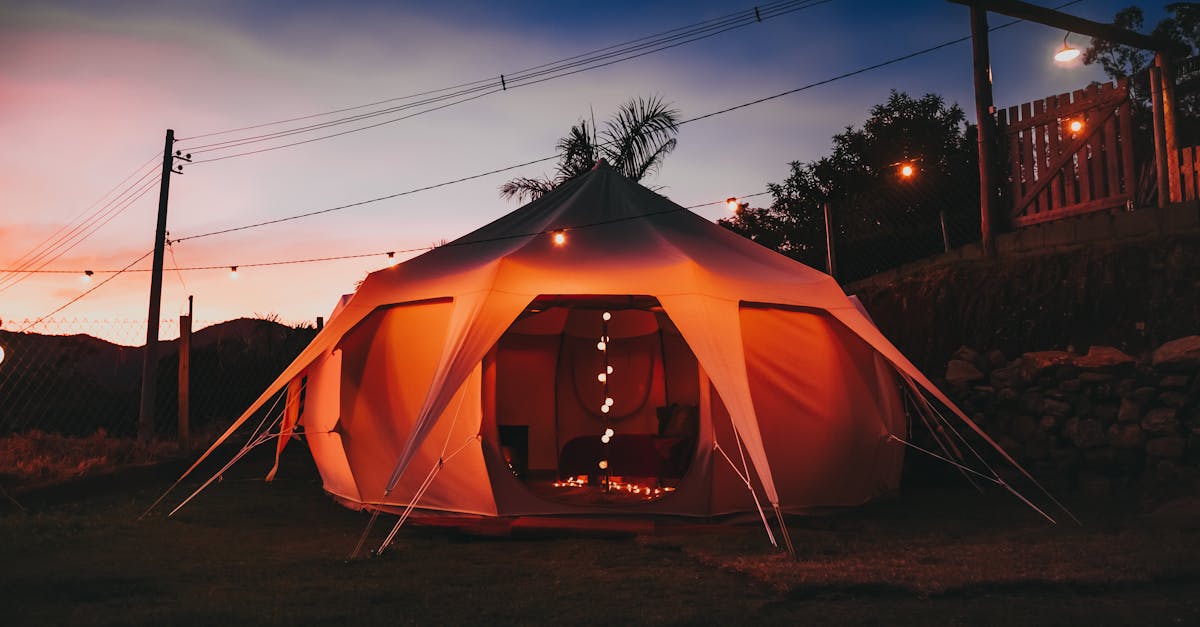
Sustainable travel mechanics: how eco-glamping defines glamping resorts in 2026
Sustainability in coastal glamping has evolved beyond marketing into operational doctrine. The most affluent guests expect demonstrable environmental stewardship, and certification has become a trust currency. B Corp status, national eco-labels, and hospitality-specific green keys are now read as guarantees rather than optional badges.
Technically rigorous systems underpin this shift. Solar thermal arrays and photovoltaic canopies provide primary power for cabins, while battery buffering ensures resilience against littoral grid instability. Rainwater capture systems paired with low-energy UV filtration deliver potable water without massive infrastructure. Composting toilets and reed-bed wastewater treatment minimize ecological footprint in sensitive estuaries.
Guest participation and regenerative programming
Sustainable travel in 2026 is participatory. Guests expect immersive programs such as:
- Guided foraging walks that teach identification of edible sea greens and sustainable harvest limits.
- Habitat restoration mornings where participants plant dune grasses or reintroduce native oysters.
- Carbon-offset options integrated into booking flows with transparent accounting.
These activities convert sustainability from a passive label to an experiential currency. Sites offering “regenerative stays” often command premium pricing because guests perceive direct environmental impact tied to their visit.
Maritime gastronomy as a sustainability showcase
Culinary programming is central to authentic eco-glamping. Chefs curate menus around halophilic resources—artisanally harvested fleur de sel, smoked sea salts, and brined shellfish prepared over heritage woods. For coastal grilling, woods like alder and oak are prized for their stable burn and subtle smoke profile; cedar planks imbue an aromatic resin note often used for whole fish. Menus emphasize local producers, from kelp-fermented condiments to heritage barley grown in seaside terraces.
Pro-tip for operators: integrate a micro-salt lab where guests can taste finishing salts—Maldon flake for crunch, fleur de sel for nuanced salinity, and smoked sea salt for depth. This elevates culinary storytelling and reinforces place-based authenticity.
Certification pathways require investment and transparency. Beyond energy and waste systems, operators should publish annual environmental impact reports, invite third-party audits, and partner with local conservation NGOs. These measures reduce the risk of greenwashing claims while generating newsworthy content that appeals to conscious travelers.
Key insight: sustainability is the operational backbone of modern coastal glamping—when guests can see, taste, and participate, value perception rises dramatically.
Invisible tech and next-gen travel: digital hospitality for seaside retreats
The paradox of modern coastal escapes is clear: guests come to disconnect but demand frictionless service. The answer lies in invisible tech—systems that enhance comfort without intruding on the sensory ecology of a seaside stay.
Keyless entry systems tied to pre-arrival profiles let guests bypass lobbies while retaining personalized settings. Smart climate control learns tidal-season patterns and anticipates cooling needs during salt-laden nights. Low-impact IoT sensors monitor humidity and air quality in domes without flashing LEDs or intrusive screens.
Operational platform imperatives
Booking engines must handle variable pricing, multi-activity packages, and long-stay billing for a growing cohort of remote workers. Platforms built for nuance offer:
- Automated pre-arrival messaging with local tide and weather advisories.
- Digital waivers and guest waivers integrated into reservation flows.
- Self-service modification tools for curated experiences and dining slots.
Triviyo and comparable systems exemplify these capabilities by reducing staffing needs while improving guest satisfaction. Operators can allocate human touch to high-impact moments—sunset oyster tastings or guided nocturnal foraging—rather than routine check-ins.
Designing for digital detox without friction
Digital detox packages are highly codified in 2026. Faraday-enforced phone-free suites coexist with strong perimeter Wi-Fi hubs located in social pavilions. This allows guests to surrender devices at will while keeping work-safe options available for those on hybrid schedules. The result: a curated separation that feels intentional rather than punitive.
Pro-tip for managers: deploy a “grace network” where guests receive a minimal emergency contact channel—SMS to a front desk number routed via an onsite gateway—so peace of mind is preserved without undermining the detox promise.
Key insight: invisible technology liberates staff and deepens the guest’s sensory immersion; the best systems are those guests never notice until they miss them.
Designing boutique accommodations: unique formats that define coastal glamping resorts
In 2026, form is content. Boutique accommodations that double as cinematic platforms create shareable memories and sustain organic marketing. The inventory commanding top rates are accommodations that provide both privacy and spectacle.
Leading formats include transparent stargazing domes situated beyond light pollution lines, floating cabins anchored in sheltered coves, and interconnected treehouse networks suspended over salt marshes. Each typology delivers a different sensory grammar—domes for nocturnal astronomy, floating cabins for tidal lullaby acoustics, and treehouses for canopy-level breezes.
Programming and monetization strategies
Operators earn uplift by bundling time-specific experiences with accommodation. Examples include:
- Noctourism packages with astronomers and thermal blankets for stargazing domes.
- Wellness immersions featuring cold-water plunges, forest bathing, and nutritionist-designed meals using locally foraged sea vegetables.
- Workation suites with dedicated daytime work nooks and high-speed connectivity, converting 3–4 week stays into sustainable revenue with reduced acquisition cost.
Wellness and digital detox offerings command notable premiums. Structured programs that include guided breathwork, cold plunges, and curated menus can command a 40–60% rate uplift compared with baseline glamping nights. The premium persists because these packages link physical outcomes—restoration, reduced cortisol levels—with the guest’s perception of meaningfulness.
Social and cultural resonance
Cultural context matters. Coastal properties that embed local maritime heritage into their design perform better. Examples include using reclaimed ship planking for decking, commissioning local artisans for ceramic serviceware, and hosting storytelling sessions with retired mariners. These touches create a sense of place that guests can feel in tactile detail.
Pro-tip for designers: ensure each unit has one “headline feature” that photographs well—transparent roofs, a hammock strung between driftwood posts, or a private micro-jetty. These features drive organic social exposure and justify higher nightly rates.
Key insight: unique formats are not gimmicks; they are the primary vehicle through which coastal glamping translates place into premium.
Operational playbook: how glamping resorts can thrive amid travel trends 2026
Success in the coastal glamping segment requires more than aesthetic finesse. Operational excellence, distribution sophistication, and market segmentation are the levers that convert interest into sustainable profit.
Start with segmentation: identify whether the site primarily targets wellness guests, workationers, adventure couples, or family eco-stays. Each segment has different expectations for amenities, cadence, and length of stay. Workation guests demand reliable high-speed internet and quiet work nooks. Couples seeking wellness prioritize curated programs and privacy. Families need modular accommodation with safe access to tidal flats.
Revenue and booking strategy
Flexible pricing engines enable premium capture around events—bioluminescent peaks, migration windows, or shoulder-season weather windows. Offering weekly and monthly rates for extended stays smooths occupancy cycles and increases lifetime value. The glamping market is projected to surpass $5 billion globally by 2028, and operators who combine authentic programming with deft pricing and packaging will capture outsized growth.
Distribution must be curated. High-touch platforms and vetted advisor partnerships (like those that surfaced findings in Virtuoso’s Luxe Report) attract clients who are willing to pay for meaning. Build direct-booking incentives but maintain visibility on curated luxury platforms to reach travelers who prioritize discovery through expert advisors.
Staffing, training, and local partnerships
Train staff to be place interpreters: guides who can explain tidal systems, chefs who can speak to halophilic foodways, and hosts who can guide guests through detox rituals. Partner with local fisheries, conservation NGOs, and artisan collectives to reinforce the site’s authenticity and supply chain resilience. These partnerships reduce sourcing costs while enriching programming.
Pro-tip for operators: invest in a two-tier staffing model where technology handles routine flows and highly trained hosts handle high-touch moments. This maximizes guest satisfaction while maintaining margin discipline.
Key insight: the operational winners will be those who integrate curated distribution, flexible pricing, and local partnerships into a coherent service architecture that amplifies the site’s coastal identity.
The Bottom Line: what coastal glamping signals for the future of luxury travel
Coastal glamping crystallizes the new lexicon of luxury travel: it prizes curated authenticity, measurable environmental stewardship, and thoughtfully applied technology. The shift from spectacle to meaning is clear in traveler preferences, and operators who prioritize regenerative programming, unique accommodations, and seamless guest flows will lead the market.
Expect demand to coalesce around properties that offer both solitude and sensory intensity—hidden coves with artisan cuisine, domes that host nocturnal learning, and floating suites that lull guests into restorative rhythms. These are not ephemeral novelties but expression of a deeper preference for travel that enriches personal wellbeing while respecting place.
For operators and travelers alike, the imperative is the same: choose craft over scale, story over sameness, and stewardship over short-term gain. The coastline will reward those who treat it as a living asset, not merely a backdrop.
Take the next step: curate a stay that leaves the coast better than you found it. Stay Salty.

