Salt-slick verandas, private yacht moorings, and a ledger of culinary signatures: the coastal calendar for 2026 reads like a manifesto for refined seaside escapism. This piece catalogs the most essential Luxury Coastal Resorts across the East Coast that promise an exclusive blend of service, design, and marine terroir. Expect destinations where heritage hotels rub shoulders with secret private islands, where halophilic spa therapies meet umami-rich menus, and where curated experiences are measured in tidal charts and bespoke wood-fired grills. A fictional curator—Captain Maya, a maritime travel concierge—threads these accounts together, navigating choices for couples, families, and connoisseurs seeking a restorative getaway that honors place and provenance.
- Top picks span ultra-luxe city-adjacent properties to secluded private islands offering seaplane access.
- Culinary focus: expect brined preparations, artisanal sea-salt finishes, and menus built around littoral harvests.
- Wellness: coastal micro-climates and seawater therapies are now curated for measurable wellbeing outcomes.
- Design & privacy: sun-bleached teak, heritage architecture, and private cabanas define the new standard.
- Practical intel: booking windows, seasonal tips, and family vs adult-only zoning for 2026 travel.
Curated East Coast Luxury Coastal Resorts to Book in 2026
The East Coast roster for 2026 compresses a century of seaside hospitality into a selection focused on refined service and coastal authenticity. Properties like the Four Seasons Hotel at The Surf Club in Miami and Acqualina on Sunny Isles Beach represent the apex of ocean-to-table programming, private beach clubs, and residences designed for extended stays.
Captain Maya’s itinerary-building method begins with three filters: beach quality, dining credentials, and accessibility. Beach quality measures sand texture, littoral stability, and water clarity; dining credentials rate chef pedigrees, on-site restaurants, and provenance of seafood; accessibility balances private-exit options (seaplane, yacht, helipad) against proximity to major air hubs.
Examples illuminate the method. The Four Seasons at The Surf Club achieves near-perfect scores for service and an exclusive private beach club that frames the guest experience. Acqualina reads like a Mediterranean palace transplanted to Florida, with private terraces and multi-restaurant programming that emphasizes Mediterranean, Italian, and Japanese haute cuisine. The Breakers Palm Beach combines heritage architecture with two miles of pristine beachfront and eight unique dining venues—a living study in how heritage can be reinterpreted without losing soul.
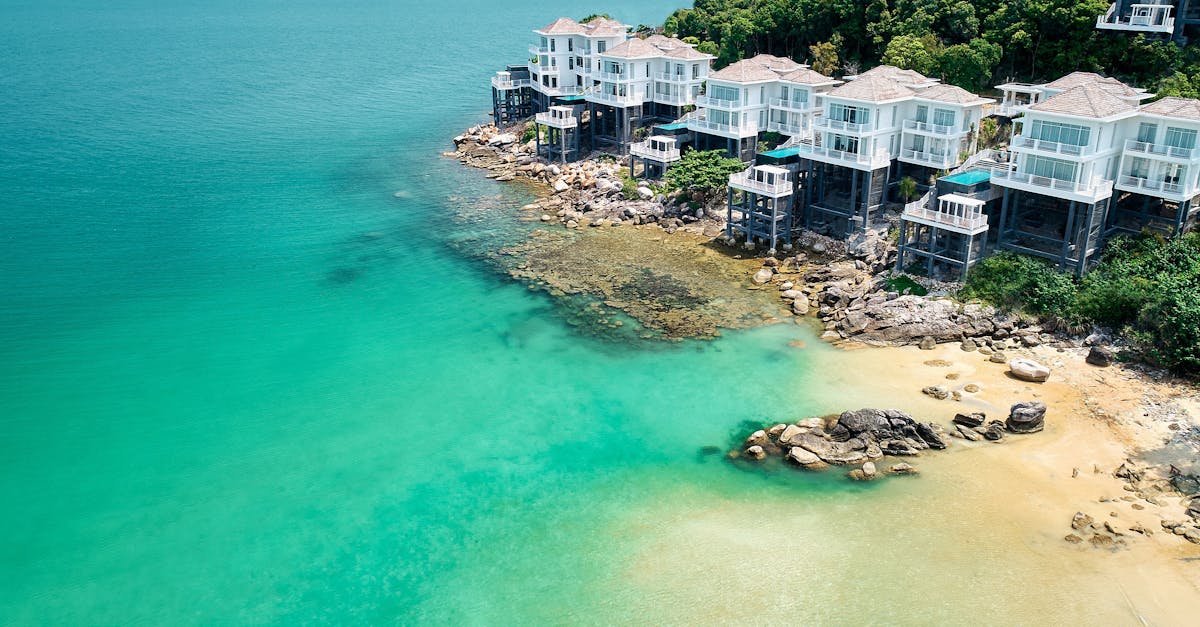
On the quieter end, The Wauwinet on Nantucket deploys a private yacht program and island-informed spa treatments to fold regional identity into every stay. Little Palm Island Resort & Spa trades scale for seclusion: 30 bungalows accessible only by boat or seaplane, each a study in tropical restraint and culinary intimacy, ideal for those seeking an ultra-exclusive getaway.
Value and family orientation also enter the map. The Marriott Myrtle Beach Resort & Spa offers a gateway to a long coastline with indoor/outdoor pools and family-oriented programming. Omni Hilton Head is positioned for slower-paced coastal life, anchored by 12 miles of beach and an on-site spa that draws on regional ingredients.
Methodology transparency is non-negotiable. This curated list was filtered through guest reviews, amenity inventories, and proximity to urban centers to ensure options for families, couples, and solo connoisseurs. Captain Maya recommends consulting curated travel dossiers such as the coastal glamping guide for complementary, nature-forward alternatives: coastal glamping options for 2026. That resource helps pair an ultra-luxe resort stay with an artisanal shoreline night under canvas when travelers seek both comfort and elemental connection.
Pro-tip from a resort operations insider: request a south-facing room at properties on stable littoral stretches to capture afternoon light and consistent onshore breezes, which reduce humidity in interiors and extend terrace livability into evening hours. Key insight: choosing a resort is as much about aligning micro-climate and culinary intent as it is about star rating.
Insight: The best reservations result from matching micro-climate, culinary program, and access mode—book with that triad in mind.
Culinary Seascapes: Dining, Sea Salt, and Coastal Kitchens at Exclusive Resorts
Resort dining in 2026 has shed generic beachfront grills for artisan-led kitchens that mine the littoral pantry. Expect brined mackerel finished with halophilic sea salts harvested from nearby flats, or oak-and-manzanita wood-fired steaks paired with coastal herb rubs. The dining narrative privileges provenance, umami-rich stock reductions, and preservation techniques that speak to the sea.
Restaurants at top properties emphasize multiple touchpoints: ocean-to-table sourcing, on-site curing rooms, and chef-led foraging excursions. At the Four Seasons Hotel at The Surf Club, menus foreground ocean-to-table ethos with day-boat catches featured on rotation. Acqualina’s three signature restaurants showcase Mediterranean brining techniques alongside Japanese precision for seafood sashimi, demonstrating how cross-cultural culinary literacy elevates guest experiences.
Chefs now offer tactile experiences: oyster shucking clinics, salt-harvesting demonstrations, and paired tastings with region-specific sea salts—Maldon-style flakes contrasted with darker halophilic salts derived from Atlantic marshes. Such programming turns dining into education, giving guests context for the brined, smoked, and slow-roasted items on their plates.
Pro-tips for gastronomes and resort planners
- Chef’s seasoning rule: Finish shellfish with a micro-sprinkle of aged sea salt rather than more aggressive salting during cooking to retain sweetness.
- Wood selection: Use oak for a balanced smoke in coastal grills; choose manuka or mesquite only when the protein is robust enough to carry intense smoke.
- Preservation: Encourage guests to book a curing room tour; salted and brined items often form the backbone of resort charcuterie and reduce supply chain friction.
- Beverage pairing: Prioritize low-intervention wines and dry sherries with brined fish, and craft cocktails that echo coastal botanicals—sea buckthorn, bay leaf, and lemon verbena.
A concrete example: a tasting menu at Little Palm Island uses an umami-rich broth reduced from lobster shells, finished with a trace of smoked halophilic salt and paired with a citrus-forward sake. The result is a layered profile that reads as both island and refinement-driven.
Captain Maya’s dining brief for discerning travelers recommends booking chef’s table experiences early in the planning process, as these slots fill faster than standard tables. For those seeking an alternative culinary angle, the resort’s culinary teams often partner with local fishers to stage morning market tours that double as sourcing tours and cultural immersion.
Insight: Culinary programming is now the primary differentiator among top resorts; its authenticity and connection to littoral systems determine long-term reputation.
Wellness, Spa, and the Influence of Coastal Micro-climates on Recovery
Wellness offerings at coastal resorts now integrate measurable marine therapies with spa science. Seawater immersion pools, halotherapy rooms infused with mineral salts, and tidal-flow hydrotherapy circuits appear alongside traditional massage and meditation. These modalities harness the littoral corridor’s air chemistry—iodine-rich breezes and negative ion concentrations—to enhance sleep and respiratory recovery.
Properties like The Ritz-Carlton, Amelia Island and Omni Hilton Head have developed thermal sequences that marry seawater pools with freshwater circuits, and then finish with localized aromatherapy built from coastal botanicals. Spas design treatments around local halophilic algae extracts, prized for their mineral density and topical benefits.
Wellness programming and measurable outcomes
Clinical partnerships are emerging. Resorts commission respiratory and sleep studies to quantify benefits of overnight stays in maritime micro-climates. The Sanctuary at Kiawah Island, for example, offers nature-guided wellness—kayak meditations and marsh walks—structured to lower cortisol markers through light activity and saline air exposure.
- Seawater therapy: Proven to support skin hydration and muscle recovery when combined with thermal contrast therapy.
- Halotherapy: Uses crushed marine salts to create aerosolized saline; beneficial for respiratory comfort after empirical trials at multiple spa centers.
- Micro-climate scheduling: Book afternoon shore walks on days with steady onshore flow to maximize negative ion inhalation and natural chill-out effects.
Captain Maya often prescribes a three-day sequence: arrival with a coastal scrub using local sea salts, a day of light kinetic therapy (paddleboarding or guided nature hikes), and a finale of tidal contrast hydrotherapy. Resorts increasingly tailor packages around these sequences, and their spas train therapists in littoral-specific modalities that draw from regionally available botanicals and marine extracts.
Practical tip: travelers with respiratory sensitivities should consult spa directors about halophilic salt composition; not all salts are equal in mineral ratios, and therapists can customize concentrations for comfort and efficacy.
Insight: Wellness at the coast is no longer anecdotal; it’s being designed, measured, and packaged to deliver repeatable outcomes tied to maritime environments.
Design, Privacy, and Logistics: The Anatomy of an Exclusive Beach Getaway
Design language at top-tier resorts pivots on authenticity—sun-bleached woods, indigenous textiles, and low-slung pavilions that read as part of the shoreline rather than additions to it. The Breakers Palm Beach exemplifies this balance with its restored historic spaces and modern service choreography. Little Palm Island offers bungalow-level privacy where each suite is a study in outdoor showers, private decks, and unobstructed horizon views.
Privacy is engineered through layout and access. Seaplane arrivals, private yacht moorings, and exclusive cabana clusters reduce friction between arrival and full immersion. Captain Maya highlights the logistics checklist for an uninterrupted getaway: coordinate arrival windows, pre-book private transfers, and request advance provisioning for dietary needs.
Booking logistics and tactical tips
- Booking window: Secure signature experiences—chef’s table, yacht charters, private spa suites—at least 90 days in advance during high season.
- Access mode: Consider seaplane or yacht transfers to lock in privacy; plan B land transfers should weather disrupt marine options.
- Room placement: Ask for buffer zones between family sections and adult-only areas to ensure tailored ambiance.
- Pack for place: Lightweight technical layers, reef-safe sunscreens, and a day-sack for guided shoreline excursions.
Value-minded travelers find excellent options in resorts like Marriott Myrtle Beach and Omni Hilton Head, which merge accessible pricing with strong amenity sets. For those seeking the apex of exclusivity, Little Palm Island and private estates on Kiawah Island deliver seclusion with curated programming.
Captain Maya’s final operational pro-tip: register dietary restrictions and preferred wood-fire intensity ahead of arrival for any on-site grills. When chefs know preferred smoke profiles, they calibrate fuel mixes—oak for nuance, hickory for depth—to produce consistent culinary results.
Insight: True exclusivity is the sum of access planning, architectural intent, and anticipatory service; book all three simultaneously.
How to Plan the Perfect Luxury Coastal Travel Vacation in 2026
Planning a coastal vacation in 2026 means aligning multiple moving parts: seasonal weather windows, exclusive experiences, and the seasonal availability of marine harvests. Captain Maya constructs itineraries around three timeframes: short escapes (3–4 days), restorative stays (5–7 days), and extended residencies (10+ days). Each window supports different ambitions, from concentrated culinary dives to slow-paced natural immersion.
Booking recommendations are precise. Late spring through early fall remains prime for beach activities; however, shoulder-season travel—late April or early October—delivers gentler crowds and heightened marine life sightings. Families should prioritize resorts with explicit childcare zones and family pools, while couples might seek adult-only retreats or private-island options.
- Timing: Book signature experiences 90–120 days out for high-season travel; check direct resort offers for bundled packages.
- Budgeting: Upscale resorts offer tiered pricing; consider residence-style suites for extended stays to reduce per-day cost.
- Sustainability: Favor resorts with local sourcing policies, sea-grass protection programs, and waste-management initiatives.
- Packing list: Include reef-safe sunscreen, lightweight technical shells, a reef bootie for rocky littoral zones, and a journal for mapping tasting notes and spa regimens.
For travelers curious about alternative coastal experiences—think canvas-based stays paired with resort comfort—see the curated coastal glamping primer for 2026 which outlines when and where to fold a night under the stars into a luxury itinerary: coastal glamping options for 2026. For readers wishing to learn about the ethos and curatorial standards that inform these recommendations, the magazine’s editorial mission and approach are detailed here: about La Fisheria.
Final planning pro-tip: create a day-by-day matrix that pairs weather-dependent activities (sailing, shore foraging) with weather-independent ones (spa, cooking classes) to preserve flexibility. Captain Maya recommends one surprise element—a private chef’s tasting, a midnight bioluminescent paddle, an unscheduled island-hop—to make each itinerary memorable.
Insight: The most memorable coastal vacations arise from layered planning: reserve the anchors first, then sprinkle in serendipity.
The Bottom Line
Choose a resort that aligns with the desired cadence—intense culinary immersion, restorative wellness, or utter seclusion—and let the sea’s own rhythms guide the rest. Stay curious, travel with intent, and let provenance steer every meal and moment. Stay Salty.

