Hook: Salt-scarred ropes, a bespoke itinerary, and the precise balance between seclusion and sociability define the most memorable summer yacht charters.
Brief — Key takeaways
- Choose vessel and destination in tandem to unlock the right pace for your summer vacation.
- Book smartly: shoulder seasons deliver superior value without sacrificing weather or ambience.
- Work with a charter specialist to access off-market yachts and negotiate favorable APA and cancellation terms.
- Curate onboard cuisine and activities well before embarkation using a thorough preference sheet.
- Final logistics matter: paperwork, insurance, and clear contracts protect the voyage and your peace of mind.
Choosing the Right Yacht Charter for a Summer Vacation: vessel types, atmospheres, and heritage
Selecting a yacht is a sensory decision as much as a logistical one. The craft establishes the tempo of the holiday: a motor yacht promises swift hops between harbors, while a sailing yacht evokes wind-driven ritual and slower, more tactile days.
Start by defining the emotional arc of the trip. Do guests crave high-energy water sports, night-club calibre social evenings, or quiet island anchorages that feel inherited rather than discovered? The answer determines whether a catamaran’s stability, a motor yacht’s volume and amenities, or an expedition yacht’s range is appropriate.
Yacht types and when to pick them
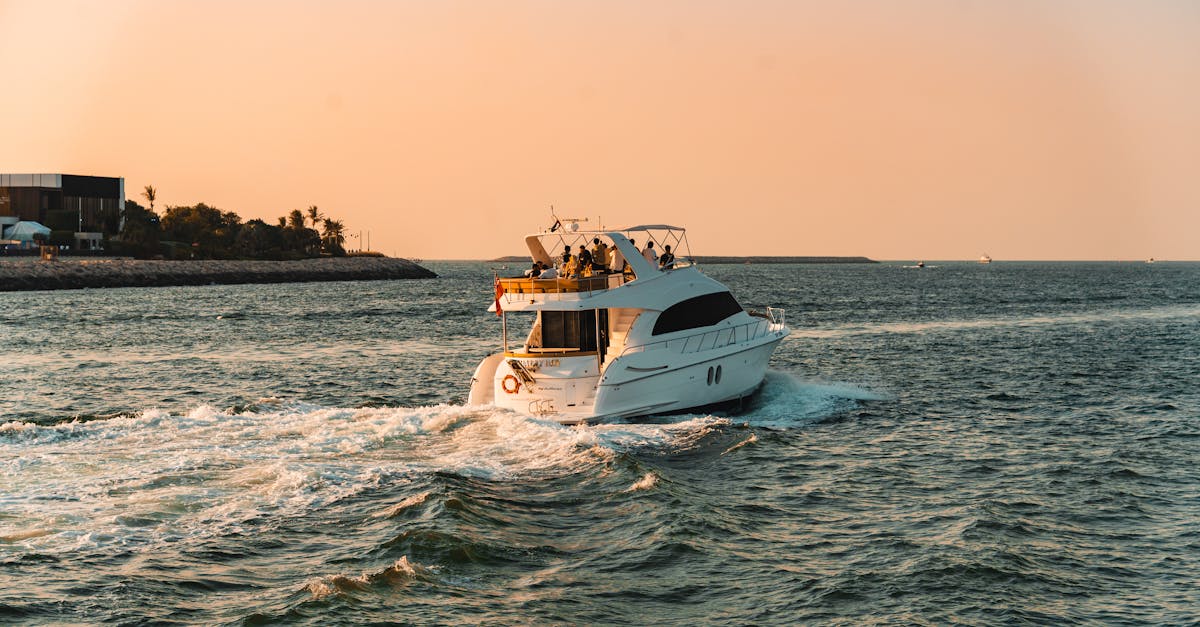
Motor yachts are the default for those prioritizing comfort and social spaces. Expect expansive sun decks, cinematic saloons, and robust stabilizers that reduce motion. Ideal for groups that value immediate access to luxury ports during a summer getaway.
Sailing yachts bring heritage and romance to the fore. A hand-tended rig and halophilic salt spray create a tactile, umami-rich maritime experience that aligns with connoisseurs seeking authenticity.
Catamarans offer exceptional stability and shallow drafts, making them superb for the Bahamas or the British Virgin Islands, where sandbanks and calm coves define the itinerary.
Expedition yachts suit the traveler who prizes remoteness. Long-range fuel tanks, reinforced hulls, and specialist crews allow access to unfrequented littoral zones from the Galápagos to the South Pacific.
Matching vessel to destination
Every cruising ground has idiosyncrasies. The Mediterranean rewards vessels with refined service arms and sun-bleached al fresco dining areas. The Caribbean demands shallow drafts and quick-tender deployment for cay hopping. Southeast Asian archipelagos require crews versed in local tides and monsoon micro-climates.
Consider a narrative to illustrate the fit: an imagined party, the Mariner Society, chose a shallow-draft catamaran for a family summer vacation in the Bahamas to enable beach landings on secluded cays. That decision transformed their trip from a sequence of marinas to a chain of private, halophilic experiences.
Budget frames feasible options. A smaller motor yacht delivers high-end finishes at lower charter rates, while a superyacht brings bespoke design, chef-led menus, and helipad transfers at the top end of the spectrum.
Finally, account for guest composition. Families need child-safe railings, tender capacity, and entertainment spaces. Couples or corporate retreats may prioritize private cabins and meeting-ready saloons. The right vessel aligns with these preferences before a single port is chosen.
Key insight: choose the yacht with the destination already in mind; synchronization of vessel, crew skill set, and cruising ground is the single-most decisive factor in a refined marine adventure.
Timing Your Summer Getaway: seasonality, pricing and the shoulder-season advantage
Timing is the currency of premium yachting. Peak months command the finest superyachts but also premium pricing and competitive berthing. Smart holiday planning looks to the shoulder months where climate, exclusivity, and value intersect.
Industry indicators show robust demand; projections in recent analyses point to a continued growth trajectory in the yacht charter market, driven by clientele seeking privacy and bespoke experiences. That pressure translates into early reservations for July and August in the Mediterranean and December through April in the Caribbean.
Peak vs. off-peak: what to expect
Peak season delivers predictable weather and a bustling social scene. Expect high-profile events, Michelin-calibre restaurant access, and elegantly crowded marinas. Pricing often runs 30–50% higher during these windows due to demand and limited availability of the most desirable yachts.
Off-peak windows allow for quieter anchorages and negotiable terms. Some owners prefer to reposition vessels, offering significant savings for flexible clients willing to follow the boat’s seasonal migration.
Careful travelers exploit the shoulder months—typically May and September in the Mediterranean, and November or April in the Caribbean. These windows often provide the best combination of calm seas, milder crowds, and more attractive charter tips from owners open to deals.
How seasonality affects planning and costs
Booking timelines should be adjusted to match desired windows. For prime summer months, securing yachts 6 to 12 months ahead is prudent. Off-season charters often allow 3–6 months’ lead time, with last-minute repositioning offers appearing sporadically.
Consider the full cost picture. The base fee varies widely, but the Advance Provisioning Allowance (APA) typically adds 25–35% to cover fuel and bespoke services. Taxes and VAT differ by region; Mediterranean charters frequently experience higher VAT rates than Caribbean itineraries.
An anecdote: a sophisticated group chose a late-September Mediterranean cruise, capturing both the tail end of summer warmth and reduced marina crowds. The choice saved them materially on charter fee and yielded a more intimate, curated itinerary.
Key insight: the shoulder season is the best-kept secret for those seeking refined summer travel without the full premium of peak months.
Working with a Yacht Charter Specialist: negotiation, contracts, and elite charter tips
An experienced specialist is the gatekeeper to the finest vessels and the negotiator of nuanced contract terms. The relationship with a broker or charter firm reduces complexity and creates opportunities for bespoke enhancements, such as bespoke culinary programming or bespoke shore experiences.
Specialists bridge three critical areas: yacht sourcing, contractual negotiation, and logistical orchestration. Their networks can reveal off-market yachts or repositioning charters not listed on public platforms.
Contracts decoded: MYBA, CYBA and IYBA basics
Standardized contracts govern most charters. The MYBA form is common for Mediterranean crewed charters; CYBA and IYBA appear in American and Caribbean markets. Each addresses payment schedules, cancellation policies, and liability clauses.
Key contractual elements to scrutinize include payment terms (typically a 50% deposit on signing), cancellation penalties, and the scope of the APA. Custom negotiation often secures flexible cancellation or a reduced security deposit for repeat charterers.
Pro-tips from seasoned charter directors
Pro-tip: insist on a transparent APA breakdown and daily logs from the captain. This prevents surprise charges and keeps the fiscal side as elegant as the onboard service.
Pro-tip: request specific crew profiles early. The difference between a general-purpose chef and one with artisanal seafood expertise is palpable for guests seeking refined dining and authentic littoral menus.
Charter specialists also advise on insurance and risk mitigation. While owners insure the yacht, clients should secure travel policies that explicitly cover yachting activities, evacuations, and equipment loss.
A case study: a high-profile family wanted an itinerary that threaded Monaco regattas with secluded islands. A specialist negotiated expanded cruising boundaries and a bespoke shore event, securing a berth when standard channels were already booked. The result: a seamlessly executed maritime festival experience for the group.
Key insight: a skilled broker is not an extra cost—it’s a multiplier of value, turning logistical complexity into curated calm.
Curating the Onboard Experience: cuisine, activities, and the art of preference sheets
The soul of any luxury travel is the sensory program onboard. Cuisine crystallizes memory; a thoughtful menu composed around umami-rich local seafood, artisanal halophilic salts, and heritage produce elevates the charter into a genuine culinary expedition.
Preference sheets are indispensable. They let the chef prepare menus aligned with dietary needs, desired culinary narratives, and provisioning choices like organic wines or rare spirits.
Chef pro-tips and culinary staging
Pro-tip: specify technical preferences: grill wood (teak vs. oak), preferred sea salt varieties (Guérande or Maldon for finishing), and smoking profiles for fish. These choices materially alter flavour and gastronomic authenticity on deck.
Plan for a balance of onboard and onshore dining. Reserve at least one night for a chef-curated beach picnic featuring local catch brined and charred over artisanal wood, paired with regionally curated wines sourced from local vineyards.
Activities that define a marine adventure
Pack a variety of experiences: standout diving sites, guided coastal hikes, and exclusive marina events. For families, include supervised watersports and shallow-water snorkeling excursions. For explorers, book a guided shore landing with a naturalist to interpret marine biodiversity.
Example: a charter in Southeast Asia combined a Komodo bay dive day with an evening featuring an umami-rich feast of line-caught tuna seasoned with artisanal sea salts. That sensory pairing anchored the trip in both place and palate.
Key insight: the most exquisite charters are assemblages of culinary precision, tailored activities, and a crew briefed to exceed expectation.
The Bottom Line: itinerary finalization, paperwork checklist, and day-of embarkation essentials
Final preparation transforms planning into reality. The pre-departure briefing is when the captain, crew, and guests align on safety, timing, and the curated experiences ahead.
Paperwork is practical luxury: passports, visas, and cruising permits must be verified well in advance. For select destinations, such as the Galápagos or certain Mediterranean protected zones, permits and conservation fees can be mandatory and time-sensitive.
Essential checklist for a seamless start
- Confirm passports and visas for every guest and any crew-assisted shore excursions.
- Secure travel insurance that explicitly covers yachting activities and emergency evacuations.
- Complete preference sheets at least two weeks prior to embarkation, including medical notes and dietary restrictions.
- Review the charter contract for APA terms, cancellation rules, and cruising boundaries.
- Arrange local transfers and verify marina berthing times and tender logistics.
On embarkation day, expect a warm crew introduction, a guided vessel tour, and a safety briefing. The captain will confirm the itinerary against weather windows and local mooring availability.
Travel insights from a charter director: remain flexible. A small itinerary shift to chase a calm bay or an extraordinary seafood market can convert a good charter into an indelible memory.
Use the resources available: for destination inspiration and curated coastal resorts, reference guides on luxury coastal resorts and regional sailing highlights. Explore curated lists such as those that showcase the top Caribbean cruising grounds and hidden Mediterranean islands to refine your route and set expectations. See suggestions for the best Caribbean sailing and a curated tour of hidden Mediterranean islands for route ideas.
Key insight: meticulous final logistics and a clear checklist preserve the luxury of the experience by removing friction long before the first line is cast.
A final thought: let each decision—from vessel selection to menu salt—be intentional and curated, and the sea will repay you with moments that last a lifetime.
Stay Salty.