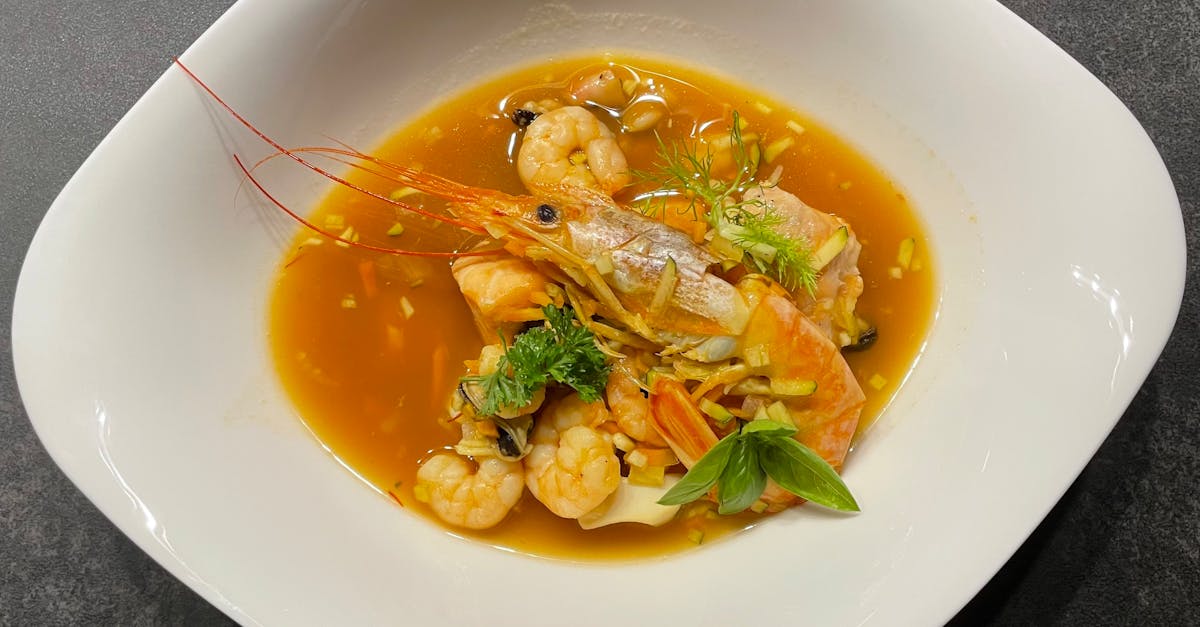
Salt-bright steam rises from a copper pot, carrying saffron and sun-warmed fennel into the coastal air. This is the opening note of true Provençal bouillabaisse: a dish born of littoral habit and artisanal restraint, where humble fish trimmings evolve into a broth with crystalline depth. The following pages present a meticulous, sensory-rich, and technically rigorous approach to a classic recipe that honors both heritage and sustainable practice. Expect precise timings, provenance-centered sourcing, and chef-level adjustments for an authentic taste—all rendered without gimmicks. Read on for a fully fleshed step-by-step methodology, tasting cues to chase, and pairing notes that place this seafood stew squarely in the pantheon of French cuisine.
- Origin & Heritage: Marseille roots; fishermen’s economy made bouillabaisse a pragmatic masterpiece.
- Broth Blueprint: Shell-forward stock, saffron, white wine, and a measured mirepoix create layered umami.
- Seafood Selection: Firm white fish, mussels, clams, shrimp, optional lobster; avoid oily or flaking species.
- Service Ritual: Toasted bread rubbed with garlic, a saffron-paprika rouille, and a crisp white or rosé.
- Practical Tips: Make the stock ahead, add seafood in stages, and respect brief cooking times for shells.
Classic French bouillabaisse: origins, terroir, and the littoral story
Bouillabaisse emerges from a convergence of maritime pragmatism and Provençal terroir. The dish began as a fishermen’s solution: bones, trimmings, and small bony fish reduced into a potent broth upon the boat’s stove or onshore hearth. This ritual, practiced along a complex littoral environment—from the wind-swept calanques to the sun-bleached quays of Marseille—transformed necessity into an emblem of Mediterranean flavors.
Historical accounts indicate that coastal micro-climates molded ingredient availability. The western Provençal littoral, with its briny halophilic flora and sheltered coves, favored fennel fronds, robust thyme, and orange peel as accents. Those aromatics, when married to the oxidized minerality of a local white wine, produced an aromatic scaffold able to support the umami-rich profile demanded of a true bouillabaisse.
An illustrative vignette: the fishing launch L’Heritage—imagined here as a composite of many small-boat operations—leaves the harbor at dawn. Onboard, a modest inventory of monkfish frames, shrimp shells, and a crate of small snapper frames forms the day’s stock. Back onshore, the vessel’s catch is sorted by a shore-side cook who understands the value of brined preservation and fast market rotations. This vignette clarifies an important point: the best bouillabaisse relies on provenance and a commitment to freshness rather than culinary artifice.
From a sensory perspective, the broth is a map. The color should read like aged saffron—deep gold with a hint of orange—its nose threaded by fennel pollen, crushed sea spray, and a background of dried herbs. On the palate, the interplay of saline notes and a faint citrus counterpoint (often supplied by a strip of orange zest) creates a sustained finish. Texturally, the liquid must be silky rather than greasy; this requires attention to degreasing and a restrained use of olive oil.
Maritime sustainability is woven into this history. Contemporary bouillabaisse, as practiced by heritage-minded cooks and restaurants, substitutes endangered species with local, resilient stocks and prioritizes shellfish from certified farms. Techniques such as brining small bony fish briefly in a solution of coarse grey salt (sel gris) refine texture and flavor while preserving marine populations. This policy-driven shift aligns Provençal tradition with modern resource stewardship.
Key insight: The soul of a true bouillabaisse is its terroir—both ecological and cultural—and fidelity to that soil-sea relationship is non-negotiable for authentic flavor.
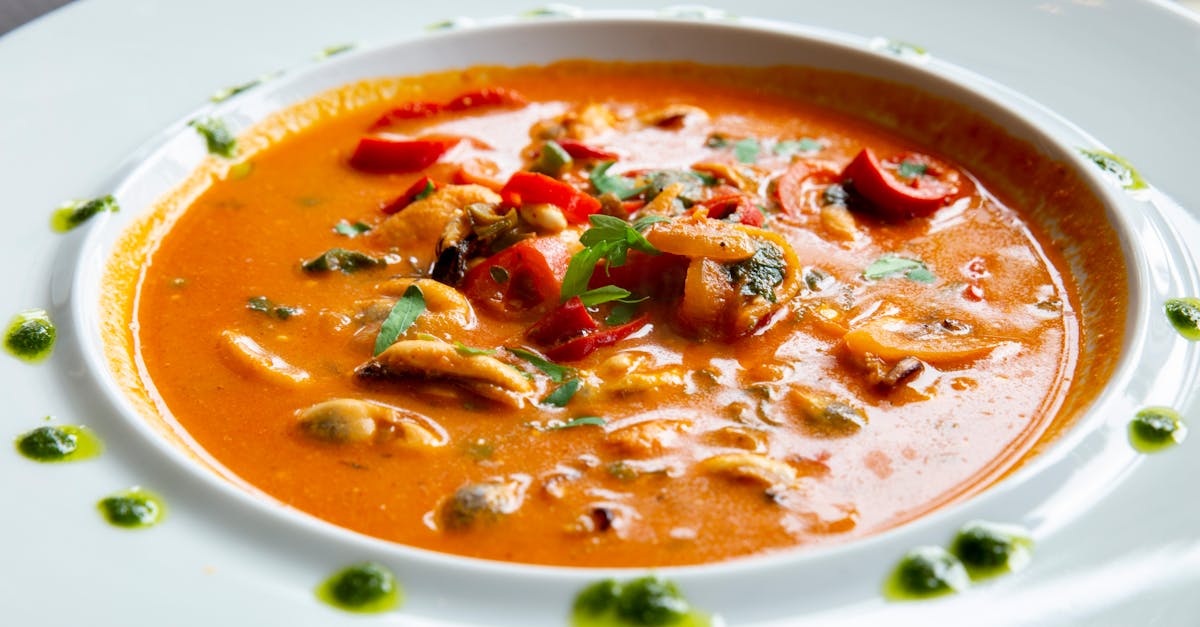
Building an umami-rich fish broth: precise step-by-step techniques for depth
The stock components and their roles
The broth is the architecture of bouillabaisse. Start with shells and trimmings: heads, frames, and shrimp shells form the collagen and mineral matrix that supports the dish’s authentic taste. Use one cup of dry white wine per 4 cups of stock to introduce acidity and aromatics without overpowering the sea notes.
Herbs and spices must be curated: saffron threads (a pinched ½ teaspoon), dried thyme, a bay leaf, and a modest strip of orange peel create complexity. For salt, choose selectively: fleur de sel may finish the dish, while sel gris performs well in the cooking water for controlled brining.
Step-by-step thermal and timing discipline
1) Sweat aromatics: Heat 3 tbsp extra-virgin olive oil in a heavy-bottomed pot. Add one chopped onion, the white parts of 2 leeks, and 3 crushed garlic cloves. Cook gently until translucent—about 5–7 minutes—without coloring.
2) Add tomatoes and fennel: Stir in two chopped ripe tomatoes and a thinly sliced fennel bulb. Cook 3–5 minutes, coaxing the tomato to soften and release its sweetness.
3) Integrate the shells: Add shrimp shells and fish trimmings, then flambé or deglaze with white wine. Scrape the fond; this is where deep flavor concentrates.
4) Hydrate and simmer: Add 4 cups fish stock or filtered water, saffron, thyme, bay leaf, and orange zest. Bring to a slow simmer, not a rolling boil, and maintain a low bubble for 30 minutes. Strain through a fine-mesh sieve; press solids to extract every micron of gelatin.
5) Clarify if desired: For an extra-pure broth, allow the stock to cool and skim the fat. Alternatively, a rustic bouillabaisse may retain a faint cloudiness that signals body and mouthfeel.
Pro-tips from the galley
- Shell-first philosophy: Always start with shells and trimmings; they deliver collagen and the marine sapidity that defines bouillabaisse.
- Saffron handling: Bloom threads in a tablespoon of warm stock for 10 minutes to release maximum color and aroma.
- Heat discipline: Keep the broth at a gentle simmer; excessive agitation extracts bitter compounds from fish bones.
- Deglazing ritual: Use the wine to lift caramelized bits; these are concentrated umami anchors.
Case study: A coastal bistro in Cassis reported that shifting from a generic fish cube to a shell-forward stock reduced their need for added salt and produced a more sustained umami finish. This validated the practice of investing labor early in the gelled stock.
Key insight: The broth demands patience and exactitude; a clear, saffron-tinged, gelatinous stock is the single most decisive factor in authentic bouillabaisse.
Selecting and sourcing seafood: species to choose, those to avoid, and sustainability cues
Best seafood choices for texture and flavor
For structure, choose firm white fishes that hold their shape: sea bass, cod, halibut, and the traditional monkfish are exemplary. These species provide a flaky yet resilient texture when gently poached in hot broth.
Mollusks and crustaceans bring briny intensity. Fresh mussels and clams contribute saline braggadocio and are quick cooks; shrimp bring sweetness and body when added late; a small lobster or crab elevates the service to a celebratory echelon.
What to avoid and why
Avoid delicate or oily species. Salmon and tuna introduce an outsized oil profile that alters the broth’s clarity. Tilapia and other flaking freshwater species disintegrate under heat and cloud both texture and flavor.
Also avoid pre-cooked frozen shellfish. Previously cooked shrimp or canned mollusks lack the structural proteins to contribute mouthfeel, often yielding a rubbery texture when reheated in the broth.
Sourcing strategy and provenance cues
Purchase fish from proven suppliers who can document catch method and date. Prefer day-boat landings or certified aquaculture labels. Look for eyes that are clear, flesh that springs back, and a subtle briny aroma—never the sharp, sour note of spoilage.
Fictional vignette: The cooperatively run market stall « Marché de la Pointe » in this narrative retains a ledger of local catch windows. Buyers there select monkfish frames on Monday and small snapper on Tuesday. This ledger system helps kitchens rotate species according to seasonal abundance, a practice supported by 2026 regional quotas.
Cooking order and timing—avoid the cardinal sin
One frequent error is adding everything simultaneously. Instead, stage additions: first firm white fish (5 minutes), then mussels and clams, then shrimp and delicate items (another 4–6 minutes). Shellfish are done when shells open; shrimp should be just pink and slightly translucent internally.
Pro-tip: Keep a separate sauté pan of olive oil and garlic for reserved browned bites. These can be added to the bowls for an extra savory lift without further cooking the seafood.
Key insight: Correct species selection paired with staged cooking preserves texture and creates a cohesive, layered seafood stew rather than a stew of homogenous mush.
Rouille, bread, and service rituals: pairing, presentation, and modern refinements
Rouille: technique and sensorial purpose
The signature rouille functions as both condiment and aromatic amplifier. Traditional recipes blend roasted red pepper, garlic, breadcrumbs, cayenne, and olive oil into a thick paste. The texture should be spreadable—dense enough to adhere to toasted bread but fluid enough to release its oils into the broth when stirred.
Method: Purée two roasted peeled red peppers with one peeled garlic clove, a tablespoon of lemon juice, and a quarter cup of fresh breadcrumbs. While processing, stream in ⅓ cup extra-virgin olive oil to emulsify. Season with fine sea salt and a pinch of paprika. For a richer version, substitute a portion of breadcrumbs with ground almonds.
Bread and service choreography
Toasting: Slice a sturdy baguette into thick coins; brush lightly with olive oil and toast until golden. Rub with a halved garlic clove while still warm.
Service: Bowls should be assembled at the table if possible: a ladle of broth, a measured selection of fish and shellfish, a toasted bread coin on the rim smeared with rouille. A separate communal platter may hold whole crustaceans for spectacle.
Wine, salad, and dessert pairings
Choose wines with saline energy and bright acidity. A dry Provençal rosé, a lean unoaked Chardonnay, or a mineral-driven Sauvignon Blanc will cut through richness. For a palate reset, serve a fennel and citrus salad dressed with a scant lemon vinaigrette; its bitter-sweetness acts as a bridge toward dessert.
Dessert should be light: lemon sorbet or an ethereal olive oil cake complements the lingering maritime notes without creating heaviness.
Modern refinements that respect tradition
Contemporary kitchens refine technique by clarifying parts of the broth through gentle straining while allowing other elements to remain rustic. Another accepted refinement: serve small mounds of short pasta—broken vermicelli or orzo—under a ladle of broth for a heartier course.
Retail tie-in: For readers seeking an experiential complement to bouillabaisse, explore an artisanal clambake event described at the La Fisheria clambake guide, which illustrates communal seafood rituals that echo bouillabaisse’s socio-gastronomic purpose.
Key insight: Rouille and bread are not mere accoutrements; they are functional, flavor-shaping components that complete the dish’s sensory architecture.
Practical timing, make-ahead strategies, nutrition, and troubleshooting
Make-ahead choreography and storage
The most labor-intensive element—the stock—benefits from advance preparation. Broth can be produced up to 24 hours ahead; refrigerate and skim the fat for a cleaner finish. When ready to serve, reheat slowly and add seafood in stages.
Leftover broth freezes well in shallow containers. Thaw in the refrigerator and bring to a simmer before finishing with fresh seafood.
Common pitfalls and corrective actions
Problem: Cloudy, bitter broth. Cause: Boiling violently or agitating bones. Fix: Strain, cool, and skim; restart with gentler simmering.
Problem: Rubber shrimp and tough fish. Cause: Overcooking. Fix: Adhere to staged additions and use an instant-read thermometer if necessary—white fish will flake at 130–140°F (54–60°C) internally.
Problem: Lacking depth. Cause: Too little shell material or under-reduction. Fix: Reduce the broth further by 10–15 minutes or add a small splash of fortified fish sauce or a concentrated shell reduction.
Substitutions and dietary notes
No saffron? A pinch of turmeric provides color but not the same floral perfume. For a gluten-free rouille, replace breadcrumbs with ground almonds. For lower sodium, reduce added salt and lean on acidity and roasted aromatics to lift flavors.
Nutrition snapshot per 400g serving (approximate): 450 kcal, 45g protein, 18g fat, 18g carbohydrates. This reflects the dish’s high-protein, moderate-fat profile and its role as a nutrient-dense coastal main.
Final troubleshooting checklist for service
- Temperature check: Serve broth hot but not scalding to preserve delicate textures.
- Timing grid: Build a simple timeline: stock (–24h), aromatics (–1h), seafood additions (–10 min to serve).
- Plating cues: Prioritize a balance of textures in each bowl—one firm fish, one shellfish, a spoonful of broth, and a rouille-brushed toast.
Readers seeking applied demonstrations may find an extended methodology at the La Fisheria clambake feature, which explores similar logistics in a communal setting: Premium backyard clambake.
Key insight: Operational discipline—timing, staging, and temperature control—turns a good bouillabaisse into an authoritative one.
The Bottom Line
Approach bouillabaisse as a study in restraint: procure resilient seafood, prioritize a shell-driven stock, respect brief shellfish cook times, and elevate service with a precise rouille and artisanal bread. This dish rewards preparation and provenance, and when executed with technical care it yields an authentic taste that embodies the maritime terroir of Provence.
Stay Salty.

