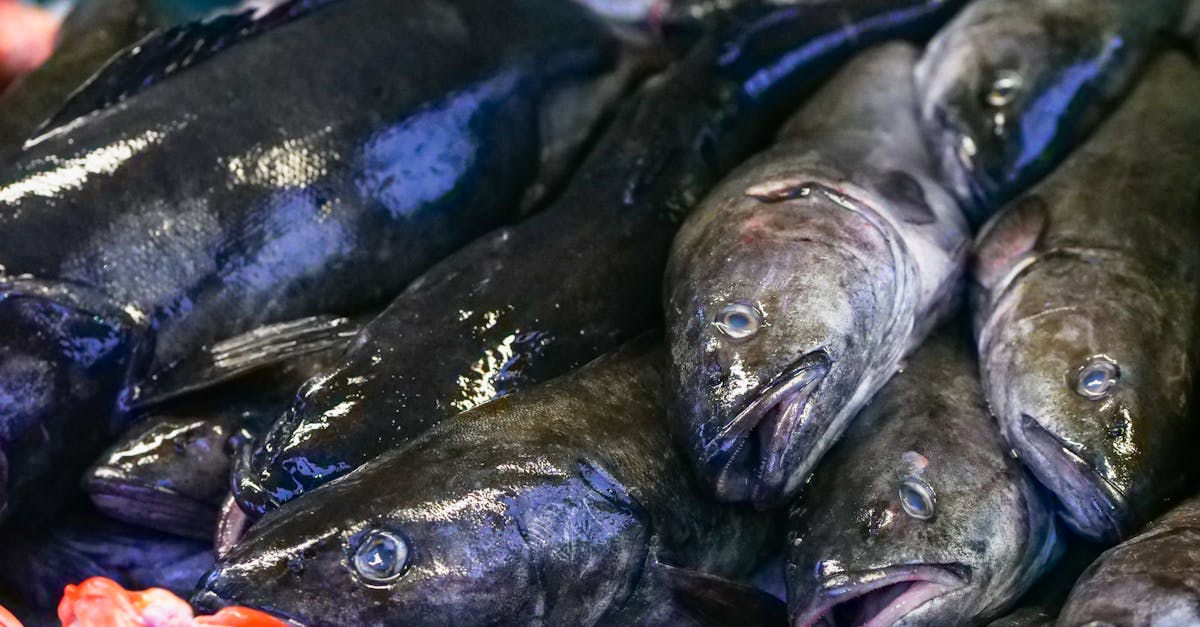
Fresh brine on the tongue, sun-bleached nets on the quay: the choice between farm-raised and wild-caught seafood is as much about provenance as it is about palate.
The following dispatch frames the debate through three prisms: health, sustainability and culinary practice. Expect granular distinctions between fat profiles of Atlantic versus Pacific species, measured risks from persistent organic pollutants, and practical guidance for discerning buyers. Readers will find sensory notes—how flesh responds to a hot pan, how halophilic aromas evolve with a squeeze of citrus—and concrete checklists for choosing responsibly at market or on the plate. The editorial team brings maritime expertise to questions of aquaculture systems, overfishing trends and the evolving certification landscape. Examples include how farmed Atlantic salmon often contains a higher lipid load than wild sockeye, why some farms use carotenoid supplements to restore the pink hue, and how distribution pathways determine freshness more than origin alone. For the environmentally minded diner, this piece balances the benefits of well-managed aquaculture against the risks of ill-regulated operations, suggesting tangible steps to favour eco-friendly harvests without sacrificing taste.
- Key takeaway: No universal “best” — choose by species, seasonality, sourcing transparency and personal health needs.
- Health tip: Wild-caught tends to be leaner and lower in certain contaminants; some farmed fish supply more omega-3s.
- Sustainability cue: Look for traceability, certified supply chains and low-impact feed practices in aquaculture.
- Culinary angle: Match cooking technique to origin—high-heat searing suits fattier farmed fillets; quick grilling favours lean wild fish.
- Action: Ask vendors about harvest dates, feed composition and escape mitigation measures.
Farm-Raised vs Wild-Caught Nutrition: what the data and the palate reveal
Nutrition is often the decisive factor when diners choose between farm-raised and wild-caught seafood.
At the macronutrient level, differences are most apparent in lipid profiles. Farmed salmon, typically Atlantic strains in commercial aquaculture, carry a higher total fat content than many wild Pacific varieties. That elevation in adiposity translates to both more calories and an increase in beneficial long-chain omega-3 fatty acids—EPA and DHA—that support cardiovascular equilibrium and neurocognitive health.
Yet not all fats are equal. The same fillet with increased unsaturated lipids can also contain higher saturated-fat fractions; in practice this means farmed options may deliver more omega-3s but also greater saturated-fat content per serving than lean wild counterparts.
Trace minerals and micronutrients tilt the balance toward wild-caught fish. When fish forage across littoral zones and pelagic food webs they ingest a mosaic of organisms rich in iodine, zinc, magnesium and iron. These elements accumulate in wild flesh and contribute to a more varied nutritional fingerprint than the often-homogeneous diet of farmed stocks.
Contaminant exposure is an essential health consideration. Persistent organic pollutants (POPs) such as PCBs have historically been measured at higher concentrations in some farmed fish. This pattern is frequently linked to feed composition and lipid deposition: contaminants concentrate in fat, and fattier farmed fillets can therefore harbor elevated levels. Regulatory bodies maintain that most measured values fall under national tolerances, yet several public-health advisories recommend moderation—especially for pregnant women and children.
Antibiotic use in aquaculture once dominated headlines. Use has been curtailed in many leading producing nations through vaccine programs, improved husbandry, and tighter regulation. Nevertheless, antibiotic exposure remains a point of uncertainty in regions with lax oversight. Wild-caught fish do not require on-farm antibiotic interventions, which reduces that particular exposure vector.
From a culinary-health vantage, portioning and frequency matter more than absolute origin. The American Heart Association’s long-standing guidance of two 3.5-ounce servings of seafood per week remains a useful baseline. Those seeking additional omega-3s might select responsibly farmed salmon, while those prioritizing lean protein and lower contaminant risk may opt for wild-caught white fish or shellfish.
Concrete examples help translate this science. A 3-ounce cooked serving of wild sockeye typically offers fewer calories and less saturated fat than the same serving of farmed Atlantic salmon, while still providing significant omega-3s. Conversely, farmed salmon can be recommended for diners needing concentrated omega-3 intake—provided it comes from transparent suppliers who disclose feed composition and medication usage.
Pro-tip from the kitchen: removing the skin before cooking reduces exposure to surface-bound contaminants, and brief, high-heat sears minimize added fats while preserving omega-3 integrity.
Final insight: weigh your dietary priorities—cardiac support versus low saturated fat versus contaminant minimization—then select species and sourcing accordingly.
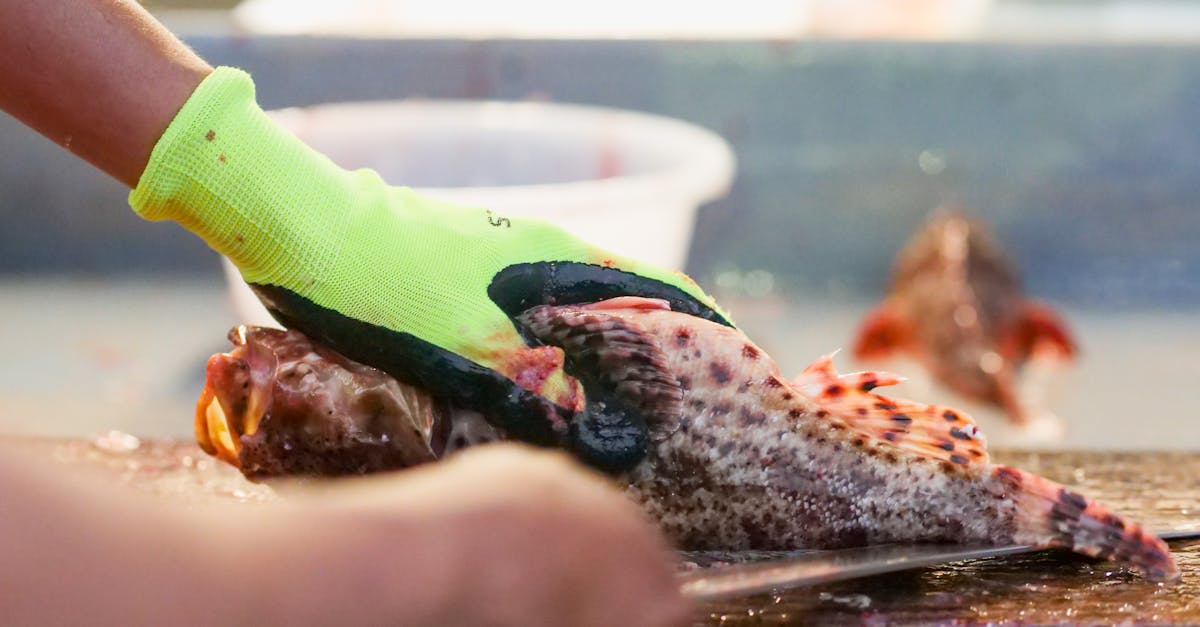
Environmental impact and sustainability: aquaculture, overfishing and the coastal ledger
Sustainability is less a binary than a spectrum, where both aquaculture and wild fisheries can sit at sustainable or destructive extremes depending on practices.
Aquaculture—commercial fish farming—accounts for a growing share of global seafood supply and is critical for feeding expanding coastal populations. When executed with a conservation mindset, farms reduce pressure on depleted wild stocks and provide predictable volumes year-round. Examples of responsible practices include integrated multi-trophic aquaculture (IMTA), which pairs finfish with shellfish and seaweeds to recycle nutrients, and closed-containment land-based systems that minimize escapes and effluent.
However, poorly managed farms have substantial environmental costs. High-density pens can create localized nutrient loading, fostering hypoxia and harmful algae blooms in adjacent littoral zones. Escapes of farmed species threaten genetic integrity of wild populations through hybridization and competition. Feed sourcing matters: reliance on wild-caught fishmeal for carnivorous species perpetuates pressure on forage fisheries.
Wild-caught fisheries carry their own risks. Overfishing eliminates key trophic species, destabilizes coral and kelp habitats, and can cause cascading ecosystem shifts. Remote artisanal fisheries often practice sustainable traditional harvest cycles, while industrial fleets using trawlers or bottom gear inflict habitat degradation at scale.
Certifications and traceability are essential tools for discerning buyers. Labels such as the Marine Stewardship Council (MSC) for wild fisheries and the Aquaculture Stewardship Council (ASC) for farms indicate adherence to specific environmental standards. Yet certification is not a panacea: the fine print around feed sourcing, local enforcement and supply-chain transparency requires close reading.
Economics influence outcomes. Farmed product is typically cheaper and more predictable, which expands access to seafood protein. In 2022, comparison figures for salmon production illustrated this trend: farmed volumes significantly outpaced wild-capture totals, a pattern still evident in 2026 as demand for consistent seafood rises. That scale can be harnessed for conservation when farms prioritize low-impact feeds, robust disease management, and escape prevention.
Practical signals for eco-friendly purchasing:
- Ask for origin and harvest method—wild-caught, troll-caught, pole-and-line, or specific aquaculture system.
- Prefer low-trophic farmed species—molluscs and seaweeds offer nutrient recycling and minimal feed input.
- Seek farms employing IMTA or recirculating aquaculture systems to reduce effluent and escapes.
Case study: a cooperative in the Mediterranean adopted seaweed co-culture with farmed gilthead bream, cutting nitrogen discharge by measurable margins while producing marketable algal products. This model, documented in coastal pilot programs by 2025, underscores how aquaculture can become restorative rather than extractive.
For wild fisheries, support for managed quotas, seasonal closures and gear restrictions—especially in biodiversity hotspots—remains vital. Regional initiatives that fund monitoring and compliance tend to outperform unregulated fisheries in long-term stock stability.
Final insight: champion systems that disclose feed, effluent controls and escapement mitigation; these are the future of truly sustainable aquaculture and responsible wild harvest.
Sourcing and traceability: how to read labels, ask vendors and verify claims at market
Making the right purchase begins at the point of sale. Knowing which questions to ask and which cues to trust separates informed diners from those following marketing alone.
Label literacy is essential. Common descriptors—“fresh,” “wild,” “sustainably harvested”—may obscure more than they reveal. Consumers should request the following specifics from fishmongers or restaurant purveyors:
- Species and scientific name—ensures no substitution or mislabeling.
- Harvest method—pole-and-line, purse seine, trawl, or aquaculture system type.
- Exact origin—region, country, and, if possible, the farm or vessel.
- Harvest date or landing date—vital for assessing freshness.
- Feed composition (for farmed)—was the diet marine-based, soy-based, supplemented with carotenoids?
Retail and foodservice professionals increasingly post QR codes linking to product passports. When available, these systems reveal the cold chain, harvest coordinates, and certificate numbers for third-party audits. Use these digital trails to confirm claims and to discover whether farms use antibiotics, what their fallow periods are, and how they manage escapes.
Freshness assessment remains a tactile skill. Avoid fillets with ice crystals; they signal refreezing. Look for bright, translucent flesh and resilient texture when gently pressed. Smell is a blunt but effective tool: a clean, saline scent indicates proper handling, while a vegetal or off-odour suggests deterioration.
Price is an informative indicator. Consistently cheaper prices can reflect scale-efficiency in responsibly run farms, but they can also signal shortcuts in husbandry, illegal fishing, or compromised cold chains. Balance cost considerations with provenance transparency.
Pro-tips from experienced chefs and buyers:
- Rotate suppliers to avoid supply-chain shocks and to compare consistent quality.
- Request vendor sourcing reports for larger purchases; reputable suppliers will provide them.
- Favor local artisanal fisheries when they demonstrate responsible harvest practices and seasonal constraints.
Vignette: a boutique restaurant in coastal California negotiated a direct supply lane with a small-scale trap fishery, ensuring a weekly drop with landing date stamps and a modest premium for traceability. The menu highlighted this provenance, educating diners and justifying the price differential.
Final insight: diligent sourcing reduces health and environmental risk while elevating culinary results; insist on specifics rather than marketing shorthand.
Culinary differences and practical cooking guidance for farmed and wild fish
Origin alters culinary outcome. Farm-raised and wild-caught fish rarely behave identically at the range, and skillful technique can amplify their best attributes.
Texture and fat content are the primary determinants of method. Fattier farmed fillets tolerate robust treatments—searing, smoking, confit—without drying. Their intermuscular lipids melt to create glossy flakes and a satiny mouthfeel. Lean wild fillets demand gentler, faster heats: flash grilling, brief pan-searing or steaming preserve moisture and highlight briny, mineral notes.
Color also informs cookery. Wild salmon’s pigments derive naturally from krill and red algae, producing vivid reds and oranges. Farmed salmon often requires dietary carotenoids to reach the familiar pink hue; this has no bearing on flavour but indicates controlled feed inputs.
Technique compendium:
- Searing—hot pan, minimal oil, a finish with butter and lemon; perfect for medium-fat farmed fillets to develop a caramelized crust.
- Grilling on wood—alder or apple wood imparts delicate smoke; use for medium-lean wild fish to complement oceanic aromatics without overpowering.
- Brining—a short, saline brine firms flesh for delicate handling and enhances delivery of umami when finishing with a reduction.
- Poaching—gentle court-bouillon with white wine and citrus is ideal for preserving the texture of lean wild fillets.
Salt and seasoning matter. Choose a light hand with finishing salts such as Maldon or a fine fleur de sel to accentuate natural flavours. For sauces, white-wine reductions with shellfish stock lift delicate white fish, while a beurre blanc or herb-forward salsa verde pairs with richer, farmed salmon.
Pairing recommendations: lighter, mineral-driven white wines cut through briny, lean profiles; richer, lightly oaked whites or a restrained rosé can stand up to fattier farmed fillets. Explore curated pairings for seafood in our guide to white wine and seafood for precise matchings.
Chef-pro tips:
- Temper fillets before cooking so heat penetrates evenly and textures remain uniform.
- Score skin on fatty fillets to prevent curling and to render fat crisply when searing.
- Use low-salinity brines to avoid overwhelming delicate species; 4–6% by weight for 20–30 minutes is often sufficient.
Practical recipe note: a pan-roasted farmed salmon with a quick pan sauce of shallot, white wine and a pat of butter will showcase the fish’s oils as a carrier for aromatics. A wild-caught fillet benefits from a sabayon-style finish or a simple drizzle of herb oil to preserve its lean texture.
Final insight: match heat and technique to fat content and structural firmness; understanding origin improves both flavour and mouthfeel.
Practical checklist: making an eco-friendly, health-wise purchase at market and home
Translate knowledge into action with a concise, practical checklist designed for shoppers, chefs, and conscious diners.
- Confirm species and scientific name—avoid substitution and support honest supply chains.
- Ask for harvest or harvest-window date—freshness supersedes origin when handling is sound.
- Request feed and medication disclosures for farmed items; opt for farms using sustainable feed blends and minimal therapeutics.
- Prioritize certified sources—MSC, ASC or credible local equivalent—especially for high-risk stocks.
- Favor low-trophic aquaculture such as mussels and seaweed when available for a lower environmental footprint.
- Practice portion control—balance seafood with plant-based omega-3 sources like flaxseed and walnuts.
- Cook by origin—fatty farmed fillets for slow/seared dishes; lean wild fillets for quick heat and delicate sauces.
- Support transparent vendors—pay a premium for traceability and trace that premium through QR product passports when possible.
For inspiration on integrating seasonal seafood into convivial menus, consult our features on regional cuisine such as Mediterranean seafood recipes and curated technique pieces like essential seafood chef tools. These resources help translate responsible sourcing into refined plates.
Final purchasing vignette: when a coastal grocer offered both farmed and wild options of the same species, the editorial team instituted a tasting panel. The result: by rotating suppliers and labeling harvest dates, the shop reduced spoilage, educated customers and raised demand for verified, low-impact sources.
Final insight: use the checklist above at market and in kitchens to align flavour preferences with health and environmental priorities.
Consider the plate as a ledger where taste, provenance and stewardship balance; let purchases reflect both palate and planet. Stay Salty.

