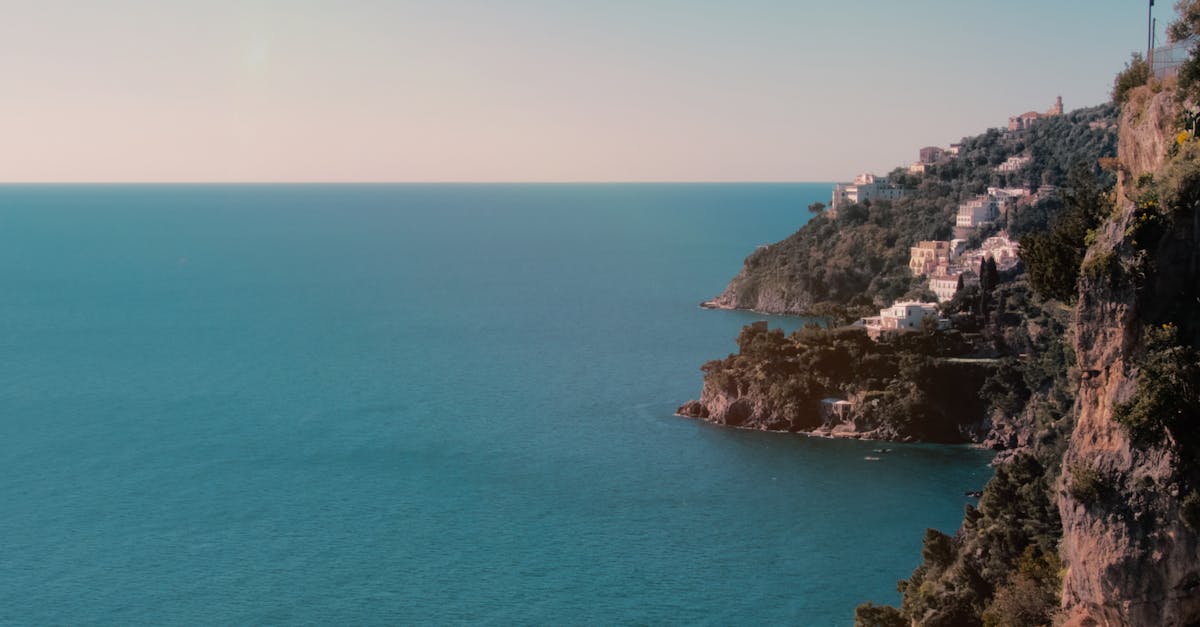
Cruising the Amalfi Coast presents a curated encounter with cliffs that seem carved for postcards and harbors that cradle vessels like precious objects.
En bref
- Amalfi Coast is a UNESCO-listed littoral of dramatic cliffs, pastel hamlets, and pristine marine shelves.
- Cruising by private launch or chartered boat tour reveals up to 80% more of the coastline’s scenic views than land travel.
- First-timer travel guide essentials: fly into Naples, base in Sorrento, reserve a skipper, and prioritize shoulder-season months.
- Mediterranean micro-climates alter sea temperature and wind; pack layers and a halophilic skincare routine.
- Travel tips include hiring local drivers for cliff roads, bringing water sandals for rocky beaches, and booking beach clubs in advance.
Essential Planning for a First-Timer Cruising the Amalfi Coast
A single good itinerary will convert curiosity into a refined seaside pilgrimage.
The Amalfi Coast spans roughly 50 kilometres of the southern Italian shoreline, a heritage landscape designated by UNESCO for its cultural and natural legacy. Expect steep vertical relief where towns perch like ornaments on cliffs, producing postcard vistas at every hairpin bend.
Arrivals typically funnel through Naples International Airport. For a first-timer, the most efficient onward routing is to transfer to Sorrento and use it as a base. Sorrento provides logistical advantages: rail and ferry links, broad lodging tiers, and proximity to day trips such as Capri and Pompeii.
Transport decisions shape the trip’s quality. Driving the narrow coastal roads can be alluring, but those lanes were not engineered for heavy modern traffic. Private drivers deliver calm, local expertise and the freedom to stop for spontaneous viewpoints. For a more maritime-first itinerary, choose to reach towns by sea; a curated boat tour often surpasses the land perspective for photographic and sensory rewards.
Timing matters. Peak season from June through September brings heat and crowds; shoulder months—May, early October—offer warm swimming, lower prices, and the softer light photographers covet. Off-season yields quieter plazas and open tables at refined eateries, but some beach clubs and ferries operate on reduced schedules.
Packing must reflect a craggy Mediterranean environment. Essentials include water sandals for the predominantly rocky beaches, a sun hat, and breathable linens. A small nautical first-aid kit, motion-sick remedies for choppy days, and a waterproof phone pouch are practical additions.
Budgeting should account for the premium elements that elevate an Amalfi experience: private skippers, cliffside dining, and boutique hotels with terraces. For those seeking curated cultural immersion without excess, split nights between a Sorrento base and an overnight in Positano or Ravello to taste different atmospheres.
For a seamless start, reserve critical items in advance: transfers from Naples airport, select boat tours or private charters, and popular restaurants such as Rossellini’s in Ravello or notable beach clubs in Positano. These reservations preserve the day for enjoyment rather than logistics.
Key insight: choose priorities—scenic cruising or inland exploration—and design transport around those priorities to maximize time where the coast reveals its most refined character.
Mastering Coastal Navigation: Boat Types, Routes, and Maritime Pro-Tips
Seeing the coast from the water deepens appreciation of the region’s maritime heritage and reveals hidden coves inaccessible from land.
Boat choices determine the tone of the voyage. Inflatable RIBs offer speed and access to narrow grottos. Classic gozzo boats—wooden, halophilic-worn—lend romanticism and a smooth ride for dining and photography. Luxury launches provide shaded lounges and onboard culinary service for a truly curated experience.
Routes should be planned around prevailing winds and micro-climates. The Tyrrhenian Sea can present morning calms and late-afternoon thermals. Captains with local knowledge will recommend circumnavigating to show the Faraglioni near Capri, threading sea caves, and offering anchor stops for snorkeling in nutrient-rich coves.
Pro-tip from the galley: when grilling simply caught fish on board, prefer seasoned brining using coarse artisanal sea salt—look for halophilic-evaporation salts that impart minerality. Olive wood is the traditional fuel for coastal grills; it burns hot with a subtly fruity smoke that complements brined, umami-rich fish.
Navigation etiquette matters. Keep safe distance from bathing zones and adhere to mooring restrictions near marine reserves. Local mariners expect visiting vessels to respect littoral restrictions around heritage sites and protected marine parks.
For photography and cinematic memory-making, plan golden-hour windows. Light plays dramatically off sun-bleached facades and the sea’s prism. A skipper who knows the coast will position the vessel for backlit compositions that capture the pastel villages’ depth and drama.
Experience-based recommendations:
- Book a private skipper with licensed local credentials to unlock hidden grottos and secluded lunch moorings.
- Pack a small brining kit if planning on foraging or buying fresh fish from a marina market—salt, citrus, and olive oil suffice.
- Confirm fuel and tender plans for full-day excursions to avoid mid-afternoon interruptions.
- Bring dive masks to explore halophilic algae beds and the zone where Posidonia seagrass accumulates clarity and life.
Onboard provisioning elevates the day. Combine artisanal buffalo mozzarella, citrus-preserved anchovies, and crusty focaccia with chilled rosé. These flavors echo the coast’s heritage—simple, brined, aromatic, and focused on pristine ingredient quality.
For first-timers, a validated local guide ensures safety and reveals micro-histories: where 13th-century sea-republics kept lookout towers, the littoral points favoured for lime-wood for ship timbers, and the fishing traditions that shape menus today.
Key insight: choose the right boat and captain to transform a transit into an immersive, sensory cruise that captures the Amalfi Coast’s maritime soul.
Town-by-Town Culinary and Cultural Circuit: Positano, Amalfi, Ravello and Hidden Gems
The coastline’s towns form a curated mosaic of gastronomy and heritage, each village a chapter in an artisanal anthology.
Positano enchants with vertical lanes and boutique ateliers crafting bespoke sandals and linen garments. Dining here blends theatrical views with refined ingredients. For a beachside lunch, choose restaurants that source local seafood and practice simple brining techniques to highlight freshness. For sunset splurges, book terraces where the plate is an extension of the view.
Amalfi’s Duomo di Sant’Andrea anchors the town’s identity. Its medieval cathedral and cloisters speak to maritime patronage and seafaring saints. Near the harbor, small trattorie specialize in limoncello-infused desserts and fish preparations that respect heritage salting methods. Sample a seafood risotto that is subtly brined, balanced with citrus and a hint of rosemary.
Ravello sits inland with serene villas and gardens. Villa Rufolo and Villa Cimbrone offer terraces that frame the sea. These elevated locales pair beautifully with slow, contemplative meals—think umami-rich caponata, artfully cured fish, and courses designed to be sipped slowly while the sun lowers.
Atrani and smaller hamlets reward the curious traveler seeking authenticity. Their piazzas and low-traffic streets are where heritage recipes endure—fishermen’s catch turned into medleys of olive oil, garlic, and citrus. Those focused on artisanal foodways can attend small kitchens where family recipes are passed through generations.
For those compiling a culinary map, include the following stops:
- Market mornings in Amalfi to purchase squid, sea bass, and anchovies for a boat-side meal.
- Cooking labs in Sorrento emphasizing limoncello techniques and preserving.
- Beach-club lunches at places like Arienzo for a luxe seaside interlude with professionally prepared seafood platters.
Pro-tips from the editorial galley: when ordering seafood, request it “al cartoccio” for a brined approach that steams fish in parchment with lemon and herbs. For grilled octopus, chefs prefer a light brine followed by a rapid sear over olive-wood embers to achieve a crisp exterior and tender interior.
Shopping for culinary souvenirs should prioritize small-batch items: artisanal salts harvested from local halophilic pools, sun-bleached lemon marmalades, and heritage olive oils pressed from neighbouring groves. These curated goods affix an edible memory to the voyage.
For in-depth reading on cliffside villages and maritime cultural curation, consult the curated travel notes available at cliffside villages guide. Those seeking a collection of evocative coastal itineraries will find annotated routes and suggested local artisans in that reference.
Key insight: pair towns with meals—match Positano’s drama with light seafood, Ravello’s serenity with slow tasting menus, Amalfi’s history with robust, heritage recipes—to create a gastronomic rhythm along the shore.
Where to Stay, Beach Clubs, and Practical On-Land Travel Tips for a Smooth Visit
Accommodation defines how the coast is experienced: terraces with sea views convert mornings into ritual.
Choose hotels that emphasize terrace life and maritime service. Options range from boutique cliffside properties with artisanal breakfasts to five-star villas with spa services and private docks. Sorrento remains an economical and strategic base for multi-day explorations, given its transport links and range of lodgings.
When selecting beach clubs, consider facility access and the type of experience desired. Exclusive clubs provide daybeds, attentive service, and shaded platforms for the sun-bleached aesthetic many seek. More relaxed establishments like Da Adolfo emphasize culinary simplicity and an authentic, boat-access-only approach.
Ground logistics are often the trickiest element. Narrow roads and tourist buses create bottlenecks. For the best use of time, hire a seasoned driver for day trips; the cost is offset by the hours recouped not waiting in bus lines. The Sita bus remains an economical option for those comfortable with less predictability—validate tickets and plan early departures to avoid queues.
Packing checklist highlights:
- Water sandals and sturdy walking shoes for cobbled lanes and rocky beaches.
- Breathable cotton dresses and layers for variable micro-climates between shaded villas and exposed terraces.
- Halophilic skincare and a compact sunscreen regimen to manage sea-spray exposure.
- Portable battery packs and a waterproof camera for documenting dawn and dusk light.
Book well in advance for high-demand services: Rossellini’s, La Sponda, and premium beach clubs fill quickly during shoulder and peak seasons. Early reservations for must-see sites—Villa Rufolo gardens, Blue Grotto tours, and popular boat charters—reduce day-of stresses.
An example itinerary that optimizes movement: base in Sorrento for three nights, reserve a private boat for a full-day coastal cruise departing from Marina Piccola, then spend two nights split between Positano and Ravello to sample contrasting atmospheres. This pattern reduces transit churn and increases immersive time.
A useful local tactic: purchase a small refillable water bottle and use public fountains where available—many towns offer potable springs that keep the day moving without repeated purchases.
For further curated cliffside village recommendations and in-depth lodging notes, visit the editorial travel dossier at detailed cliffside villages.
Key insight: select lodging for terrace and terrace-forced mornings, and secure ground and sea transport early to preserve the coast’s calm for actual exploration.
The Bottom Line: Curated Experiences and Pro-Tips from a Maritime Culinary Editor
Focus on sensory sequencing—dawn swims, market breakfasts, midday cruising, villa gardens at golden hour—and the coastline organizes itself into a refined narrative.
Must-see tourist attractions remain powerful: the Duomo di Sant’Andrea in Amalfi, Villa Rufolo and Villa Cimbrone in Ravello, the Blue Grotto at Capri, and the Path of the Gods hike between Agerola and Positano. Each provides a distinct chapter in a coastline story that balances heritage and natural spectacle.
Pro-tips that confer local advantage:
- Reserve a private boat tour early to access hidden coves and schedule anchor lunches when the sea is calm.
- Ask for the day’s catch in local restaurants and request minimal intervention—brining and olive-wood grilling honor freshness.
- Use Sorrento as a hub for logistical ease while allocating at least one overnight in Positano or Ravello for atmosphere immersion.
- Hire a local guide for Pompeii or specialized walks to extract historical context and avoid lines.
Illustrative anecdote: Captain Marisol, a seasoned skipper running a modest wooden launch out of Sorrento, preserves a ritual—before any voyage she rubs a pinch of artisanal, halophilic salt on the day’s catch, explaining that the salt’s mineral profile harmonizes with the Mediterranean’s brine, preserving texture during the brief grill at anchor. Guests remark how the simple method defines the meal and the memory.
For photography and culinary documentation, keep notes on light, salt type used, and cooking wood—these small details form a replicable recipe for future trips and deepen the sensory almanac of travel.
Final inspiration: treat the Amalfi Coast as an artisanal composition—each town, bay, and meal is a curated element. Experience it intentionally, and return with a refined appetite for coastal travel that echoes long after disembarkation. Stay Salty.