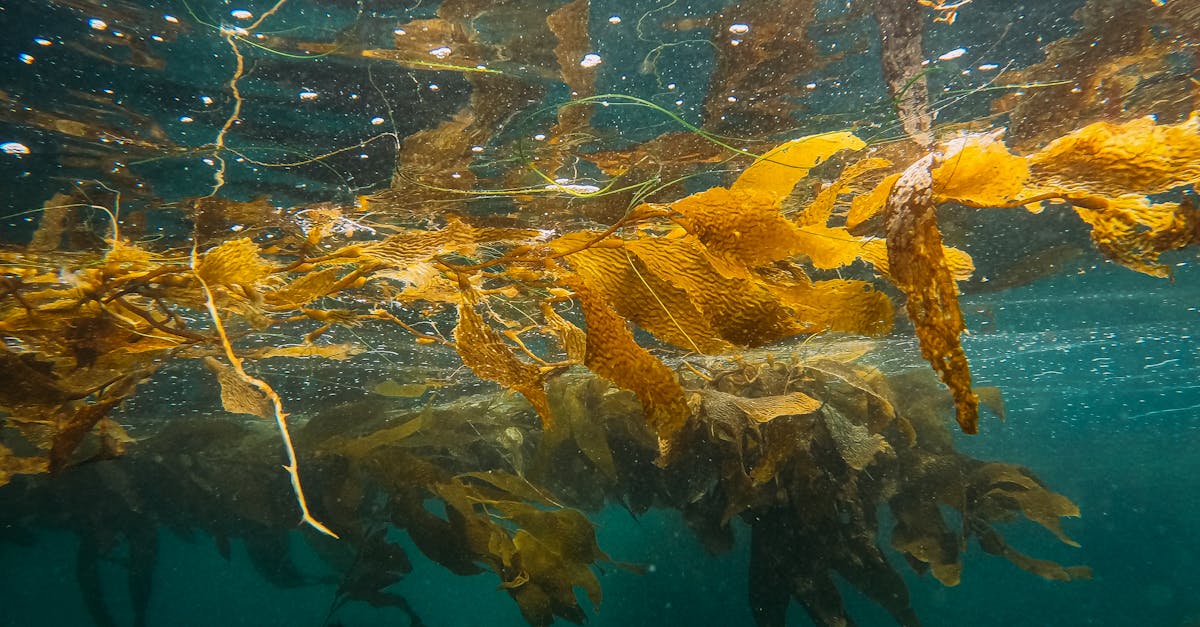
Ocean-bred flavour has moved from coastal heritage to haute cuisine: seaweed is the new superfood redefining modern kitchens. As chefs, farmers and scientists converge on the littoral, seaweed is being reconceived not as a novelty but as a foundational ingredient with profound culinary, nutritional and regenerative potential. This editorial piece maps the trajectory of sea vegetables from ancestral plates to contemporary tasting menus, explains how to source them responsibly, and presents tangible techniques and recipes that make seaweed approachable for professional and home kitchens. Expect detailed sourcing protocols, sensory-driven cooking techniques, and evidence-based notes on nutrition and sustainability that inform purchasing and menu decisions in 2026.
The practical aim is to empower chefs, restaurateurs and culinary directors to integrate seaweed into their repertoire in ways that respect provenance, uplift coastal communities, and deliver unmistakable umami. The content draws on Indigenous traditions, aquaculture science, and hands-on kitchen methods, offering tested advice for transforming seaweed from a garnish into a mainstay of refined, healthy, and vegan-friendly cuisine.
- Key insight: Seaweed offers mineral-dense nutrition and multiplies environmental benefits when farmed well.
- Practical tip: Start menu integration invisibly — use kombu in stocks before introducing visible textures such as wakame or dulse.
- Sourcing rule: Prioritise native species and partner directly with harvesters practicing regenerative aquaculture.
- Kitchen strategy: Use seaweed as an umami shortcut — kombu or kelp broth replaces long reductions without sacrificing depth.
- Market momentum: Consumer demand for seaweed snacks and functional foods continues to accelerate, creating an opening for fine-dining menus and retail lines.
Cooking with seaweed: cultural lineage and culinary terroir
Seaweed is a heritage ingredient, embedded in coastal cuisines across continents. In East Asia, a repertoire of species—nori, kombu, wakame among them—has been refined over millennia; contemporary Japanese cookery still employs roughly 21 species in everyday practice. That legacy offers a blueprint for chefs seeking depth of flavour and respect for technique.
Along the Pacific rim, Indigenous practices are equally instructive. For Māori communities, karengo and rimurapa provided essential winter nutrition and functional textiles; these elements are preserved legally in some regions through harvesting rights and cultural protections. In Chile, cochayuyo remains integral to dishes such as meat-free charquicán, salads and ceviches, illustrating how a single species can be adapted across formats while anchoring a cultural identity.
European narratives are more complex. Prior to the 17th century, Irish coastal communities farmed and consumed seaweed widely; during the Great Famine it became a survival food, which later contributed to social stigma. That history is instructive for culinary storytellers aiming to reposition sea vegetables from « subsistence » to « curated luxury. » Framing and language are crucial to reversing dated associations and restoring pride in local littoral terroir.
Environmental disruption also reshaped cultural availability. The case of Haida Gwaii shows how trophic cascades—sea otter declines leading to urchin proliferation—can annihilate kelp forests and associated foods like abalone and herring roe. Such examples stress that sourcing must be paired with ecosystem recovery initiatives. Chefs and restaurateurs who cultivate relationships with restoration projects gain both provenance and resilience in supply chains.
Historical narratives are not mere curiosities; they form the backbone of menu storytelling. When diners taste a kelp-forward dish that is contextualised with its cultural lineage—be it an ama-harvested hijiki or a Puerto Rican padina—they engage more deeply. That engagement raises willingness to adopt unfamiliar textures and flavours, converting novelty into ritual.
Practical takeaway: place provenance on the menu. Use specific species names and origin stories, and describe techniques used in traditional harvesting. This approach elevates seaweed from garnish to a curated, artisanal ingredient with terroir, cultural depth and sensory intent. The next section will address the biochemical and nutritional drivers that explain why chefs and consumers are embracing this superfood.
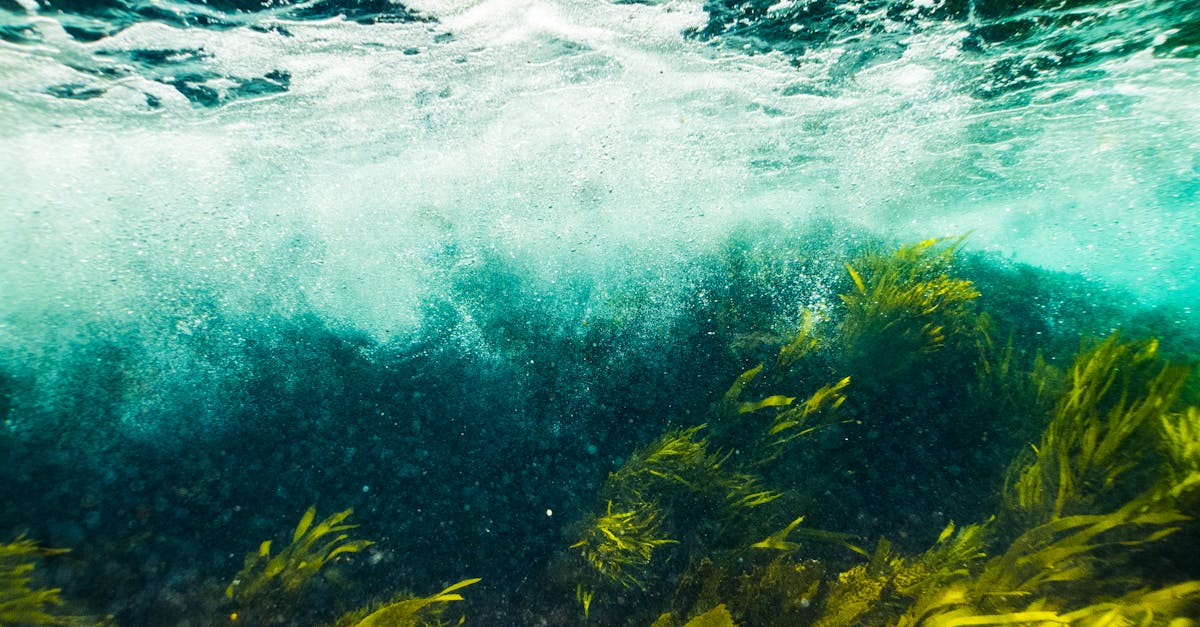
Cooking with seaweed: nutrition science and culinary health claims
Seaweed’s nutritional profile is exceptional. Many species deliver micronutrients at densities land plants cannot match: iodine, magnesium, iron, and a broad spectrum of trace elements. This mineral wealth makes seaweed a compelling ingredient for chefs focused on health-forward menus and for consumers pursuing nutrient-dense, functional foods.
Clinically relevant research, accumulating as of 2026, highlights anti-inflammatory, anti-obesity and potential anti-cancer bioactivity in certain algal compounds. These findings remain under active study, but emerging data support seaweed’s role as a functional dietary component rather than a mere flavouring.
Textural variety is an additional nutritional asset. Gel-forming polysaccharides such as alginates and carrageenans impart satiety and can modify glycemic response when used judiciously in sauces and gels. For vegan and plant-forward menus, these compounds act as natural gelifiers that replace animal-derived gelatin, expanding options for refined desserts and terrines.
Sensory and metabolic considerations
Seaweed also confers strong umami through free glutamates, which can reduce the need for added sodium and long-simmered stocks. A chef who swaps kombu for extended reduction can preserve kitchen labour while retaining depth. This practice supports both the palate and the plate’s nutritional profile.
From a public-health lens, iodine must be handled responsibly. Excessive intake can affect thyroid function, so menu design should include guidance for frequent consumers. Educational menu notes and server training ensure that regular diner cohorts—especially those on medically restricted diets—receive appropriate advisories.
Pro-tips for chefs and nutrition teams
- Use kombu sparingly in stocks to obtain glutamate depth without overwhelming iodine levels.
- Diversify species on menus to balance micronutrient profiles across service weeks.
- Label transparently where seaweed is a primary source of iodine or other targeted nutrients.
- Rotate preserved forms (dried, toasted, salted) to control microbial risk and flavour intensity.
Seaweed’s nutritional strengths pair well with claims of sustainability and kitchen efficiency. The following section examines sourcing models that reconcile economic opportunity with ocean stewardship, ensuring that incorporation of seaweed into menus is both ethical and resilient.
Cooking with seaweed: sustainable sourcing, aquaculture and coastal economies
Sustainable seaweed cultivation can be regenerative. Integrated multitrophic aquaculture (IMTA) systems combine seaweed with bivalves and finfish, using nutrient exchange to maintain water quality and biodiversity. Seaweed removes excess nitrogen and phosphorus, improving conditions around fish pens and adjacent shorelines while sequestering carbon.
Small-scale growers and family farms are central to a resilient supply chain. Producers such as Daybreak Seaweed and Maine Coast Sea Vegetables operate with a dual mission: creating culinary-grade ingredients and actively restoring marine habitats. Partnering with such farms aligns culinary purchasing with measurable environmental outcomes.
Legal and cultural safeguards
Legal frameworks can protect both ecosystems and cultural practices. The Ngāi Tahu Claims Settlement Act exemplifies how Indigenous rights over harvesting can be recognised, protecting rimurapa and karengo from unregulated commercial extraction. These protections ensure that commercial demand does not override customary practice.
Chef-level sourcing must prioritise native species and seasonal cycles. Local harvesters often offer milled, dried, and ready-to-use seaweeds that reduce kitchen prep time while preserving provenance. Chefs who build direct relationships with harvesters gain consistency, traceability and narrative for menus.
Marketplace signals and culinary partnerships
Market demand is accelerating. Retail sales for seaweed snacks and specialty greens show measurable increases, and recipe searches have surged—an indicator that home cooks are experimenting more often. Restaurants and hotels can capitalise on this trend by offering approachable formats that translate well to at-home adoption.
Hospitality venues seeking experiential differentiation can integrate seaweed beyond the plate: amenity products, cocktail botanicals and room fragrances can narrate a coastal terroir. Hotels that pivot to seaweed-infused guest experiences create a memorable connection and an added revenue stream.
For chefs aiming to scale responsibly, a sourcing checklist proves useful:
- Verify species provenance and confirm native status.
- Audit grower practices for regenerative metrics and IMTA participation.
- Prioritise traceable packaging and direct procurement to reduce intermediaries.
- Build seasonal menus that reflect availability and reduce waste.
Restaurants seeking inspiration and technique references can look to practical guides on seafood and kitchen prep. For instance, pairing seaweed with lightly cured fish benefits from knowledge found in curated sauce guides, while a coastal clambake concept can be enhanced by sea vegetables; these concepts are explored in depth at La Fisheria’s culinary pages such as best sauces for white fish and the hands-on event planning in the premium backyard clambake report.
Cooking with seaweed: kitchen techniques, recipes and sensory play
Seaweed transforms technique and texture in the kitchen. Chefs will find that different processing methods yield distinct culinary functions: dried kelp provides umami and a stock base; toasted dulse makes a crunchy condiment; rehydrated wakame offers silkiness in salads; and agar-producing red seaweeds enable refined gelification.
Technique primer and mise en place
To start, hydrate dried species in cool water and reserve the soaking liquid for stocks—this preserves soluble umami and micronutrients. Toast delicate sheets like nori or dulse briefly in a dry pan to accentuate smoky aromatics. When making butters or compound fats, pulse toasted seaweed into softened butter, then chill in a parchment log for convenient portioning.
For vegan applications, experiment with seaweed-based binders. Blended kelp purée stabilises emulsions and can replace part of a polysaccharide matrix in terrines. Agar and carrageenan permit elegant plant-based jellies for plated desserts or bons-mots of ocean flavour.
Signature recipe concepts
Examples that translate well from test kitchen to service:
- Prawn and seaweed burgers: Finely chopped prawns bound with toasted seaweed thins and coriander deliver a bright, umami-rich patty suited for fast-casual or tasting menus.
- Seaweed whipped feta flatbreads: Crumbled feta blended with dulse and Greek yoghurt offers a creamy, mineral-forward spread that pairs with roasted tomatoes.
- Grilled steak with seaweed butter: Dulse butter melts across a T-bone, adding a mineral-savory counterpoint to richly caramelised beef.
- Champagne saffron broth with mussels and samphire: Use mussel liquor, kombu-infused stock and light cream to achieve an elevated shellfish broth that tastes like place.
Each recipe benefits from careful temperature control and a staged approach to texture. For instance, crisping nori as a final garnish preserves its fragile crunch; conversely, slow-cooked kombu delivers gelatinous mouthfeel when reduced into sauces.
Service and plating considerations
Visual design matters: conceal seaweed when audiences may reject visible fragments; reveal it when storytelling and provenance are selling points. Use menu language that emphasises texture and provenance—“heritage kelp emulsion” triggers curiosity more than raw species names alone. Server training should include scripted tasting notes that position seaweed as an enhancement to umami and health.
The kitchen checklist for rollout:
- Standardise rehydration protocols to ensure consistent flavour extraction.
- Document iodine content for high-exposure menu items.
- Test shelf-stable preparations such as toasted flakes and compound butters for controlled service.
- Cross-train staff on cultural background to elevate storytelling at service.
Practical examples, like a lemongrass-seaweed broth with dumplings or a kelp escabeche, illustrate how seaweed can be the primary structural component of a dish or a subtle lift. The next section addresses market positioning, guest education and packaging innovations that make seaweed a profitable and principled choice for hospitality.
Cooking with seaweed: market trends, menu language and wider hospitality innovation
Market momentum for seaweed is tangible in 2026. Retail growth in seaweed snacks and culinary searches demonstrates consumer curiosity translating to purchase. High-end kitchens are uniquely positioned to normalise sea vegetables through considered menu design and guest education.
Language is a strategic lever. Menu descriptors that emphasise terroir, texture and impact convert scepticism into desire. Replace “kelp carbonara” with “handmade pasta with coastal vegetables and mineral sauce” to invite exploration. Highlight the maker—name the harvester or farm—to create authenticity and social license.
Operational and commercial opportunities
Seaweed opens new revenue streams beyond dishes. Packaging technologies such as seaweed-based films and coatings present alternatives to PFAS-lined disposables. Early adopters in stadium catering and large-scale food-to-go are already testing these materials, yielding lifecycle benefits and branding advantages.
Hospitality can also integrate seaweed into wellness and amenity lines—algae-based soaps, room botanicals and minibar innovations offer guests a coherent coastal narrative. These offerings reinforce place-based storytelling, increasing guest loyalty and ancillary spend.
Staff training, guest education and demand creation
Staff curricula should include tasting protocols, provenance scripts and food-safety notes specific to algae. Educated servers convert menu copy into memorable table-side stories that shape perception. Retail-ready formats such as furikake shakers or toasted dulse crisps bridge the gap between restaurant experience and home experimentation.
Partnerships with coastal tourism narratives magnify impact. Collaborations with travel experiences—such as curated coastal weekends or waterfront villa retreats—create immersive occasions for seaweed-forward meals, drawing parallels with other La Fisheria features on curated coastal travel.
Finally, operational commitment to sustainability resounds with modern diners. By sourcing from regenerative farms and investing in ocean restoration projects, hospitality operators not only reduce environmental footprint but also secure a supply chain more robust than conventional seafood.
As culinary editors and hospitality leaders imagine menus for the next decade, seaweed stands out as a refined, functional and regenerative ingredient. Change the way menus read and kitchens operate, and guests will vote with their forks.
Seaweed is not a fleeting fad — it is a culinary tool that repairs ecosystems while amplifying flavour. Embrace its terroir, respect its harvesters, and design menus that educate as they delight. Stay Salty.

